
Sauces & Condiments
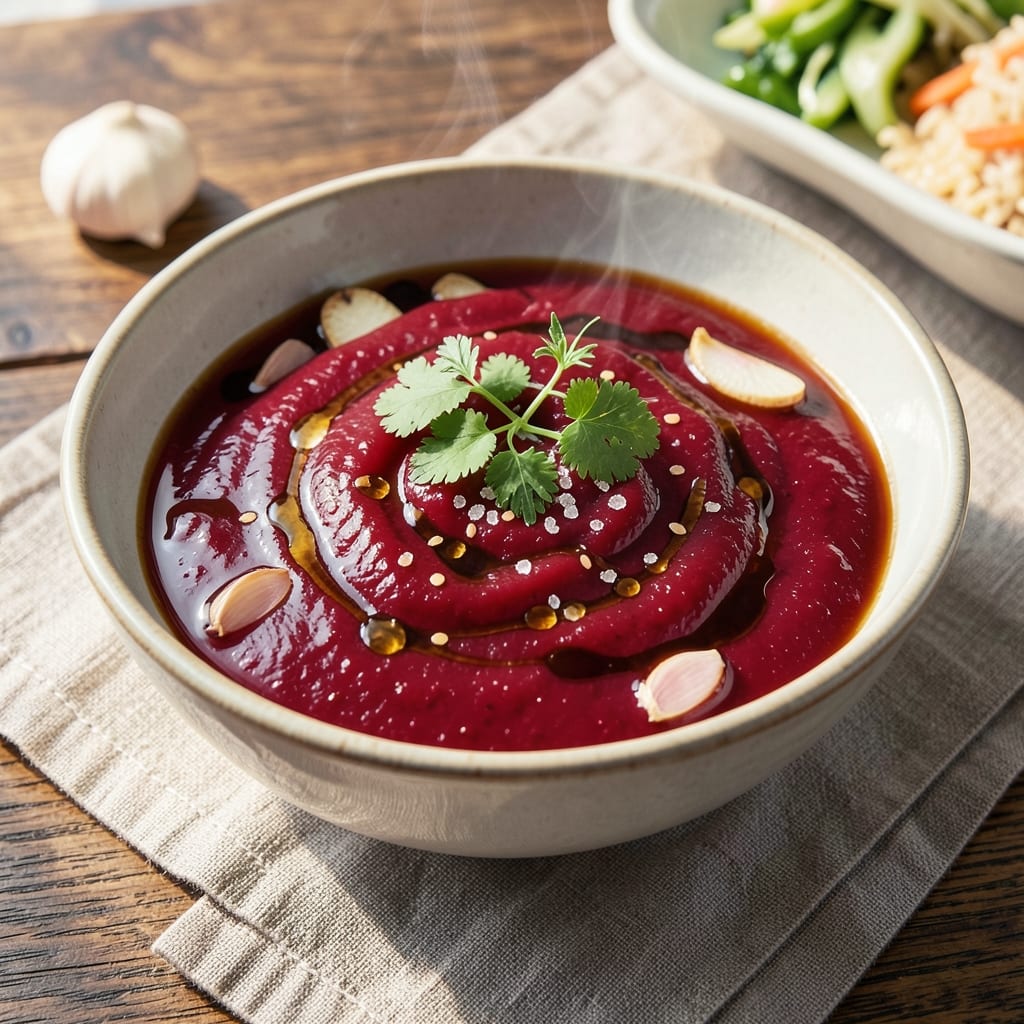
This Asian rice sauce recipe transforms simple pantry staples into a versatile, umami-packed glaze that elevates stir-fries, marinades, and dressings in minutes. The balance of rice vinegar, soy sauce, and a touch of sweetness creates a harmonious flavor profile that works equally well in traditional dishes or modern fusion recipes. What makes this sauce special is its ability to adapt—use it as a quick stir-fry glaze, a tangy dressing, or even a marinade for grilled meats.
The secret lies in the simplicity and precision of the ingredients: rice vinegar for brightness, soy sauce for depth, and a pinch of sugar to round out the flavors. With just five ingredients and 10 minutes of prep, you’ll have a sauce that’s restaurant-quality yet effortless to make. Perfect for weeknight dinners or meal prep, this recipe delivers bold flavor without the fuss.
Ingredients for asian rice sauce
Five pantry staples crafting restaurant-quality umami depth in minutes.
| Ingredient | Amount | Notes |
|---|---|---|
| Rice Vinegar 🍶 | ½ cup | Seasoned preferred for depth |
| Soy Sauce 🥢 | ⅓ cup | Low-sodium preferred for balance |
| Granulated Sugar 🍯 | 2 tbsp | Or substitute honey/maple syrup |
| Sesame Oil 🫒 | 1 tbsp | Toasted for nutty aroma |
| Garlic Cloves 🧄 | 2 cloves | Minced for aromatic base |
| Fresh Ginger 🌿 | 1 tbsp | Grated, for zesty kick |
| Cornstarch 🌾 | 1 tsp | For thickening consistency |
| Water 💧 | ¼ cup | For slurry mixture |
The rice vinegar and soy sauce form the sauce's foundation—Kikkoman soy sauce or seasoned rice vinegar from Trader Joe's elevate the flavor profile. For the garlic and ginger, freshly grated or minced delivers the brightest notes, but jarred minced ginger works in a pinch. The sesame oil should be toasted—look for 100% pure at specialty stores or the Asian aisle. Cornstarch is critical for that silky texture; Bob's Red Mill is my go-to brand for reliable thickening power. Store-bought versions often contain additives, so making your own ensures purity.
No sesame oil? Avocado oil at half the amount mimics the neutral base, though it lacks the nutty aroma. Substitute honey or maple syrup for sugar if preferred—agave works too. For a saltier profile, add 1/4 tsp Diamond Crystal kosher salt directly to the sauce. The cornstarch slurry can be made ahead and refrigerated for up to 3 days before use. If you're gluten-sensitive, use tapioca starch instead—it thickens just as effectively. The sauce's versatility means it adapts to any dish, from stir-fries to marinades, but the garlic and ginger should always be fresh for optimal flavor.
This sauce thickens as it cools, so reheat gently on low heat if needed. Store in an airtight container in the fridge for up to 2 weeks, or freeze for 3 months in ice cube trays for portion control. The flavor actually improves after 24 hours as the ingredients meld. For meal prep, double the batch—it's perfect for glazing proteins or tossing with noodles. Always stir well before using, as the cornstarch tends to settle.
Why You'll Love This Recipe
- Five-Ingredient Magic: I swear by this sauce—just vinegar, soy, sugar, sesame oil, and a couple of garlic cloves. That’s it. No fancy pantry trips, no measuring cups that never quite fit. Honestly, I keep a jar of it in my fridge because it’s the kind of thing you’ll make again and again once you try it.
- Umami Bomb: The garlic hits first—bright and sharp—then the soy sauce rounds it out with that deep, salty punch. That little splash of sesame oil? It’s the secret weapon, adding warmth and a nutty finish that makes everything taste better. I’ll be real: this sauce turns even plain rice into something you’d order at a restaurant.
- Dresses Everything: Need a quick dip for spring rolls? A glaze for grilled chicken? A wake-up call for limp takeout noodles? This stuff works. I’ve drizzled it over sushi, tossed it with stir-fries, and even used it to deglaze my pan after searing steak. It’s my go-to for when I’m too tired to think but still want flavor.
- Pantry Goldmine: Between us, this sauce is the ultimate budget hack. A few tablespoons of vinegar, a splash of soy, and a pinch of sugar—you’re not spending extra, just using what’s already there. And the best part? It keeps for weeks in the fridge. That means less stress on busy nights and more time for the stuff that actually matters.
Step-by-step instructions for Asian rice sauce
Here's how to craft a perfectly balanced rice sauce with layers of umami and sweetness—ready in just minutes.
Prepare the Aromatic Base
In a medium saucepan, combine the 0.5 cup rice vinegar, 0.33 cup soy sauce, 2 tbsp granulated sugar, and 1 tbsp sesame oil. Bring the mixture to a gentle simmer over medium heat, stirring occasionally to dissolve the sugar completely. You'll notice the aroma intensify as the vinegar and soy sauce meld together—this is where the sauce's depth begins.
While the mixture heats, mince the 2 cloves garlic and grate the 1 tbsp fresh ginger using a fine grater or microplane. The garlic should be finely chopped to release its oils evenly, while the ginger needs to be grated to maximize its zesty kick. Keep these aromatics nearby—they'll be added in the next step.
Build Flavor with Garlic and Ginger
Once the vinegar mixture reaches a simmer, reduce the heat to low and add the minced garlic and grated ginger. Let them cook for 2-3 minutes, stirring frequently, until the garlic turns a pale golden color and the ginger softens slightly. This step is crucial—overcooking will turn the garlic bitter, while undercooking leaves it raw and sharp.
Here's the thing—stir constantly to prevent the garlic from sticking to the pan. If it begins to brown too quickly, immediately reduce the heat to lowest and continue stirring. The goal is to infuse the sauce with aromatic depth without burning the delicate flavors.
Thicken the Sauce with Cornstarch Slurry
In a small bowl, whisk together the 1 tsp cornstarch and 0.25 cup water until smooth. This slurry is your thickening agent, and it needs to be fully dissolved to prevent lumps in your sauce. Once the garlic and ginger have infused the mixture for 2-3 minutes, slowly pour the cornstarch slurry into the saucepan while stirring continuously.
Increase the heat to medium-low and let the sauce simmer for 3-5 minutes, stirring frequently, until it thickens to a glossy, coatable consistency. You'll know it's ready when it begins to cling to the back of a spoon and leaves a slight trail as you draw it through the sauce. If it thickens too quickly, add 1 tablespoon water at a time until you reach the desired texture.
Taste and Adjust for Balance
Remove the sauce from heat and let it cool slightly for 2 minutes. Taste a small spoonful and assess the balance—you're aiming for a harmonious blend of tangy, sweet, salty, and umami flavors. If the sauce tastes too acidic, add a pinch more sugar. If it's too sweet, balance it with an extra splash of rice vinegar or a dash of soy sauce.
For added depth, I often finish the sauce with a final drizzle of sesame oil—just ½ teaspoon—to enhance its nutty aroma. Stir well and let the sauce sit for 5 minutes before using. This resting period allows the flavors to fully meld, resulting in a sauce that's rich, cohesive, and ready to elevate any dish.
Pro Tips For Making Asian Rice Sauce
- Sauté Garlic Low and Slow: I learned this the hard way—blasting garlic in sesame oil turns it bitter fast. Keep the heat at a simmer (just enough to see tiny bubbles) and stir constantly. If it starts to smell harsh, you’ve gone too far—pull it out and start over.
- Balance Sugar Before Adding Vinegar: Sugar loves to clump when mixed with vinegar, and that’s a nightmare to fix later. Whisk the sugar into the soy sauce first, then stir in the vinegar. This keeps everything smooth and prevents grainy surprises in your sauce.
- Use Toasted Sesame Oil Last: That golden sesame oil is delicate—heat kills its aroma. Add it right at the end, just before serving, and stir it in gently. If you cook with it, you’ll taste the difference: flat, not nutty.
- Minimize Vinegar Splatter: Rice vinegar loves to spray when heated, and nobody wants vinegar on their stove or face. Warm the vinegar slightly (just until it’s lukewarm) before adding it to the sauce. Less drama, same tang.
Common mistakes when making this recipe
Over-Simmering the Sauce
One of the most common mistakes is letting the sauce boil vigorously after adding the cornstarch slurry. Once you introduce the slurry, reduce heat to medium-low immediately—boiling can cause the sauce to split or develop a grainy texture. I’ve ruined batches by walking away for just 2 minutes while it bubbled hard. Keep heat gentle and stir constantly to maintain a smooth, glossy finish. 🌡️
Skipping the Slurry Step
Some cooks try to thicken the sauce by simply adding cornstarch directly to the pan without mixing it with water first. This creates lumpy clumps that are nearly impossible to fix. Always whisk the 1 tsp cornstarch with ¼ cup water until completely dissolved before adding it to the sauce. For extra insurance, strain the sauce through a fine-mesh sieve if you’re worried about texture.
Using Low-Quality Vinegar
Not all rice vinegars are created equal—using a cheap, unseasoned variety can leave your sauce tasting flat and one-dimensional. I recommend Kikkoman seasoned rice vinegar or Trader Joe’s for that authentic tang. If you must use plain rice vinegar, add ½ tsp sugar and ¼ tsp salt to compensate for the lack of depth. The difference is night and day in flavor complexity.
Overcooking Garlic and Ginger
Garlic and ginger are delicate aromatics that turn bitter if cooked too long. Once they’re added to the simmering sauce, cook them for only 2-3 minutes—any longer and they’ll dominate the flavor. If your garlic starts browning too quickly, immediately reduce heat to lowest and keep stirring. Freshly grated ginger should soften slightly but retain its bright, zesty notes.
Ignoring the Resting Period
Rushing to use the sauce right after cooking can lead to uneven flavor distribution. Let it rest for 5 minutes before serving—this allows the ingredients to meld and the sauce to thicken properly. I’ve seen home cooks pour it over hot stir-fries too soon, only to find the texture separates or the flavors feel disjointed. Patience here makes all the difference. ✨
Substituting Without Balance
Swapping ingredients without adjusting ratios can throw off the sauce’s balance. For example, using honey instead of sugar adds moisture, so you might need to reduce the water in the slurry by 1 tablespoon. If you’re gluten-free, replace cornstarch with tapioca starch but expect a slightly different mouthfeel. Always taste and adjust—this sauce is all about harmony, not shortcuts.
Nutrition facts
Frequently asked questions
Can I make this sauce without cornstarch?
You can use arrowroot powder or tapioca starch instead—they work just as well for thickening. For a no-thickener version, reduce the liquid by simmering uncovered until it reaches your desired consistency (about 10-15 minutes), but the texture will be thinner and less glossy.
How long does homemade rice sauce last?
Store it in an airtight container in the fridge for up to 2 weeks. For longer storage, freeze it in ice cube trays—each cube equals about 1 tablespoon of sauce. Thaw overnight in the fridge before using. The flavor actually improves slightly after 24 hours as ingredients meld!
What's the best way to use this sauce?
This versatile sauce works as a stir-fry glaze, dipping sauce, or marinade. Drizzle it over noodles, use it to glaze proteins like chicken or tofu, or mix it with mayo for a quick sandwich sauce. It also elevates fried rice or rice bowls with just a spoonful!
Can I make this sauce spicier?
Add ½ teaspoon red pepper flakes or 1 teaspoon sriracha while simmering, or stir in 1 teaspoon gochujang (Korean chili paste) for depth. For heat control, start with ¼ teaspoon and adjust to taste—spice builds as the sauce cools!
Why did my sauce turn cloudy?
Cloudiness usually means the cornstarch wasn't fully dissolved in the slurry or the sauce boiled too vigorously after thickening. Next time, whisk the slurry until completely smooth and reduce heat to medium-low immediately after adding it. If it happens, strain the sauce through a fine-mesh sieve for a silky result.