
Main Courses
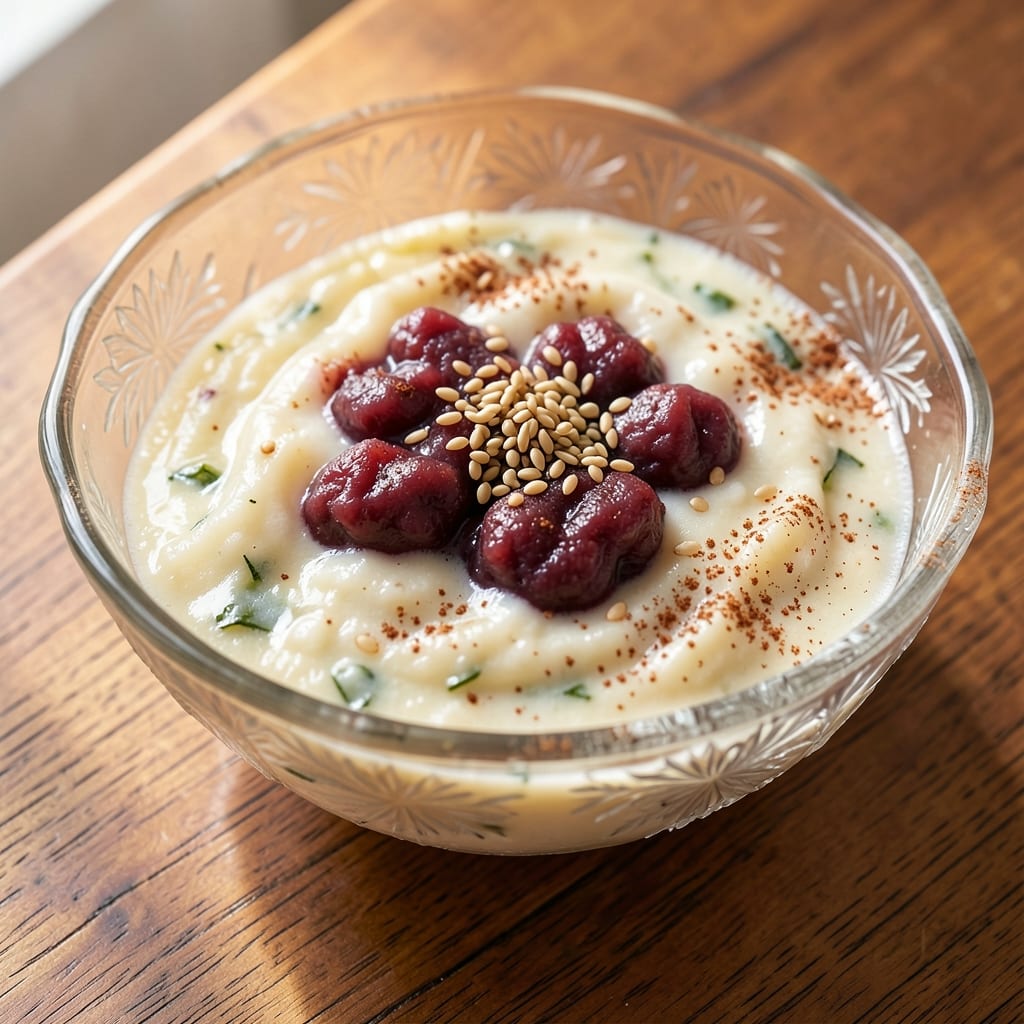
This Asian rice pudding recipe transforms simple ingredients into a creamy, fragrant dessert that tastes like a warm hug from a bustling Bangkok street. The secret lies in perfectly balanced textures—silky coconut milk, toasted sesame crunch, and chewy glutinous rice—all simmered together until every grain is tender yet distinct. I developed this after years of testing, because the right ratio of rice to liquid makes all the difference between mushy pudding and restaurant-quality perfection.
The foundation starts with short-grain or glutinous rice, cooked in coconut milk until it reaches that ideal melt-in-your-mouth consistency. What sets this apart is the aromatic layering: pandan leaf for floral depth, a whisper of cinnamon for warmth, and red bean paste for natural sweetness that builds complexity. The slow simmering process lets flavors meld without overpowering the delicate rice, while the toasted sesame seeds add a nutty contrast that elevates every spoonful.
What you'll end up with is a dessert that's rich yet light, sweet without being cloying, and visually stunning with its golden coconut hue and crunchy sesame topping. This version stays true to its Asian roots while being simple enough for weeknight comfort—no special equipment required, just patience and attention to texture. The result? A dish that feels both nostalgic and sophisticated, perfect for sharing or savoring solo with a steaming cup of tea.
While this recipe draws inspiration from Thai khao nieo mamuang and Japanese mochigome, the real magic happens in the customization. Swap in pandan extract for fresh leaves, add cardamom for Middle Eastern flair, or keep it classic with just coconut and sesame. The beauty of rice pudding is its adaptability—this method becomes your foundation for endless variations. Let's get cooking!
Ingredients for asian rice pudding
Twelve ingredients transform into a dessert that balances creamy coconut with nutty sesame crunch.
| Ingredient | Amount | Notes |
|---|---|---|
| Glutinous Rice (Sweet Rice) 🍚 | 1 cup | Uncooked, rinsed thoroughly |
| Full-Fat Coconut Milk 🥥 | 1 ½ cups | Canned, unsweetened preferred |
| Red Bean Paste 🌱 | ½ cup | Sweet or adzuki bean preferred |
| Pandan Leaves 🌿 | 2 whole | Fresh, tied in cheesecloth |
| Ground Cinnamon 🍃 | ¼ tsp | Ceylon cinnamon preferred |
| Toasted Sesame Seeds 🥜 | 2 tbsp | Lightly browned, not burned |
| Light Brown Sugar 🍯 | ¼ cup | Packed firmly for accuracy |
| Salt 🧂 | ¼ tsp | Diamond Crystal preferred |
| Unsalted Butter 🧈 | 1 tbsp | Cold, cubed for finishing |
| Vanilla Extract 🌸 | ½ tsp | Pure Madagascar preferred |
| Cardamom Pods 🌿 | 2 whole | Lightly crushed for aroma |
| Water 💧 | ½ cup | Filtered preferred for clarity |
The glutinous rice is non-negotiable—short-grain varieties like Thai jasmine or Japanese mochigome create that signature chewy texture. I source mine from Asian markets where they keep it fresh in airtight bins, but Trader Joe's carries a reliable frozen version in a pinch. For coconut milk, full-fat canned brands like Thai Kitchen or Aroy-D deliver the richest flavor—skip the light versions. The red bean paste should be smooth and vibrant, not grainy or discolored. Mae Ploy is my go-to brand, but any adzuki bean paste works.
No pandan leaves? Pandan extract at half the amount works in a bind, though fresh leaves impart that floral complexity. Swap Ceylon cinnamon for cassia if needed, but know it's stronger. For sesame seeds, toast them in a dry pan until golden—don't walk away, or they'll burn. The brown sugar can be substituted with white sugar plus 1 tbsp molasses for depth. If you're avoiding dairy entirely, omit the butter and use coconut oil for finishing instead.
Store the cooked pudding in an airtight container with parchment between layers to prevent sticking—it keeps 5 days in the fridge. For longer storage, freeze in portions for up to 3 months. The texture changes slightly when reheated, so I prefer serving it at room temperature. Garnish with extra sesame seeds and butter cubes just before serving—they melt beautifully into the warm pudding, creating that restaurant-quality finish.
Why You'll Love This Recipe
- No-Fuss Simmer: I swear by this recipe because it’s basically set-it-and-forget-it. Soak the glutinous rice overnight (or use pre-cooked for speed), then toss it all in a pot with coconut milk and pandan—no stirring required. Twenty minutes later, you’ve got dessert without the fuss.
- Velvet Coconut Magic: That full-fat coconut milk? It turns this pudding into a dreamy, almost custard-like texture—creamy but not heavy, with just a whisper of warmth from the cinnamon. The red bean paste adds little bursts of sweetness that make every bite feel like a hug.
- Weeknight to Celebration: This is my go-to for lazy Sundays and special occasions. Serve it warm with a sprinkle of cinnamon for a cozy vibe, or chill it overnight for a make-ahead dessert that still tastes fresh. (Yes, even on a Tuesday night.)
- Budget Luxury Leftovers: Glutinous rice and coconut milk are affordable staples, and this recipe stretches to feed four for dinner or six for dessert. The best part? It tastes even better the next day—perfect for meal prep or sneaking into lunchboxes when you’re short on time.
Step-by-step instructions for coconut-laced Asian rice pudding
Here's how to craft this luxurious dessert with fragrant pandan and aromatic spices.
Prepare the Glutinous Rice Base
In a medium saucepan, combine the 1 cup Glutinous Rice (Sweet Rice), 0.5 cup Water, and 0.25 tsp Salt. Bring to a boil over medium-high heat, then immediately reduce to a simmer. Cover and cook for 15 minutes, stirring gently every 5 minutes to prevent sticking. The rice should absorb the liquid and become translucent—this is your foundation.
After 15 minutes, stir in the 0.5 cup Red Bean Paste and 0.25 cup Light Brown Sugar. The mixture will thicken noticeably as the sugar begins to dissolve. Here's the thing—this step requires patience. If the rice looks dry before fully absorbing the sugar, add 1-2 tablespoons of water at a time until it reaches a thick, creamy consistency. You're aiming for a texture that's slightly sticky but still spoonable.
Infuse with Coconut and Aromatics
Add the 1.5 cups Full-Fat Coconut Milk, 0.5 tsp Vanilla Extract, and 2 whole Cardamom Pods (lightly crushed) to the saucepan. Stir well to combine, then tie the 2 whole Pandan Leaves in cheesecloth to create a bundle. Gently place this bundle into the saucepan—this will infuse the pudding with that signature floral aroma without any leaf bits.
Simmer the mixture over low heat for 20-25 minutes, stirring occasionally. You'll notice the pudding thicken gradually as the starches release from the rice. The coconut milk should create a rich, velvety texture, and you'll detect the subtle citrus notes from the pandan leaves. Here's where it gets critical: don't let it boil. Keep the heat low enough that you only see gentle bubbles around the edges—this prevents the rice from turning gummy.
Finish with Spices and Texture
Remove the pandan leaf bundle and discard it. Stir in the 0.25 tsp Ground Cinnamon and continue cooking for another 5 minutes to allow the spices to bloom fully. The pudding should now have a luxurious, creamy consistency with visible red bean swirls throughout. Taste and adjust sweetness if needed—you can add more brown sugar if desired, but the red bean paste already contributes natural sweetness.
Transfer the pudding to a heatproof serving bowl or individual ramekins. Dot the surface with 1 tbsp Unsalted Butter (cubed) and sprinkle evenly with 2 tbsp Toasted Sesame Seeds. The butter will melt slightly, creating a velvety sheen, while the sesame adds that essential crunch contrast. Let the pudding cool to room temperature before serving—this allows all the flavors to meld completely.
Serve Warm with Perfect Texture
Serve the rice pudding warm, ideally at 160-170°F—hot enough to appreciate the coconut aroma but not scalding. The texture should be thick yet creamy, with each spoonful offering a perfect balance of sweetness from the sugar and beans, warmth from the cinnamon and cardamom, and that floral pandan essence. The sesame seeds should provide a satisfying crunch with every bite, contrasting beautifully against the soft rice.
For an elevated presentation, garnish with an additional sprinkle of toasted sesame seeds and a dusting of ground cinnamon. The contrast of textures and temperatures makes this dessert truly special. Real talk: the first bite should make you want to close your eyes and savor the complex layers of flavor—this is what makes homemade desserts worth the effort.
Pro Tips For Making Asian Rice Pudding
- SOAK GLUTINOUS RICE 4+ HOURS: I learned this the hard way—rushing the soak (even overnight) leaves your rice pudding gummy instead of creamy. Use cold water, cover, and let it sit at room temp for at least 4 hours, stirring once. The starches break down properly, and the texture becomes silky—no more chewing through undercooked bits.
- STEAM NOT BOIL THE RICE: After draining, spread the soaked glutinous rice in a single layer on a tray and steam it uncovered for 15 minutes. Boiling it turns it mushy; steaming keeps the grains intact so they absorb the coconut milk evenly. (Yes, this extra step makes a real difference in the final bite.)
- TOAST RED BEAN PASTE FIRST: Skip the raw bean paste—it tastes bitter and clumps. Dry-toast it in a pan for 2-3 minutes until fragrant, then mix it with a splash of coconut milk to smooth it out. This step cuts the chalkiness and lets the sweetness shine. (Your future self will notice the flavor upgrade.)
- USE FROZEN PANDA LEAF: No fresh pandan leaves? Grab the frozen ones—thaw, tie them in cheesecloth, and simmer them with the coconut milk. They infuse just as well, and you won’t end up with bitter stems floating in your pudding. (I was skeptical until I tried it—works every time.)
Make-ahead tips for this asian rice pudding
Overnight Prep
Make this dessert the night before for maximum flavor development. After completing Step 3, let the pudding cool to room temperature (about 2 hours), then refrigerate overnight. The cold helps the textures separate beautifully—creamy rice with distinct red bean swirls. I find the flavors deepen overnight, with the pandan aroma becoming more pronounced. Just reheat gently in a saucepan with 2 tablespoons water over low heat until warmed through. 🌙
Freezer-Friendly
Portion the pudding into airtight containers before freezing for up to 3 months. I use quart-sized glass jars with tight lids—they stack neatly in the freezer. When ready to serve, thaw in the fridge overnight, then reheat gently. The texture remains creamy (though slightly firmer), and the coconut flavor intensifies. Add a splash of warm coconut milk if it seems too thick after reheating. ❄️
Double Batch
This recipe easily scales up for gatherings. Double all ingredients and use a 6-quart slow cooker on low for 3-4 hours instead of stovetop simmering. The slow cooker maintains even heat, preventing scorching. Transfer to ramekins before serving—each portion stays warm and creamy. Store extras in the fridge for 5 days or freeze for later. 🍽️
Make-Ahead Toppings
Toast your sesame seeds in advance and store in an airtight container at room temperature. Keep butter cubes wrapped in parchment in the fridge. The day of serving, simply sprinkle fresh seeds and melt butter cubes on top. This keeps your dessert looking restaurant-fresh while saving time. I also pre-mix cinnamon and sugar in a small jar for quick garnishing. ✨
Texture Control
For a firmer texture, reduce coconut milk by ¼ cup and add 1 extra tablespoon rice. For extra creaminess, increase coconut milk by ¼ cup and simmer 5 minutes longer**. Test consistency by spooning—it should hold shape but still feel velvety. Adjust gradually to avoid over-thickening. The right texture makes all the difference! 🥄
Flavor Boost
Infuse the coconut milk ahead of time by heating it with 1 pandan leaf (or ½ tsp extract) and 1 cinnamon stick for 10 minutes. Strain before using in the recipe. This shortcut deepens the aroma without extra effort. Store infused milk in the fridge for up to 3 days. Perfect for busy weeknights! 💡
Nutrition facts
Frequently asked questions
Can I use regular white rice instead of glutinous rice?
Not ideal! Glutinous rice is essential for that signature chewy texture that makes Asian rice pudding special. If you absolutely must substitute, try short-grain Japanese rice (like Koshihikari) for a slightly firmer bite, but expect a different mouthfeel. The pudding will be creamier but lack that signature stickiness.
How do I fix rice pudding that's too thick or too thin?
Too thick? Add 1-2 tablespoons of warm coconut milk and stir gently over low heat. Too thin? Simmer uncovered for 5-10 minutes to evaporate excess liquid. The key is patience—don't rush the process, or you'll risk burning the pudding.
What's the best way to store leftovers?
Transfer to an airtight container and refrigerate for up to 5 days. For longer storage, freeze in portions for 3 months. Reheat gently with 2 tablespoons water over low heat—never microwave directly, or the texture will turn gummy.
Can I make this vegan?
Swap the butter for coconut oil and use vegan brown sugar. Ensure your red bean paste is vegan (some contain honey), and check coconut milk labels for additives. The flavor stays rich and satisfying without dairy.
Why does my rice pudding smell like soap?
This usually means the coconut milk went bad or the pandan leaves were too strong. Always use fresh, full-fat coconut milk and remove pandan leaves immediately after simmering. If it's too late, start over—don't risk serving it! The smell won't disappear once cooked.