
Main Courses
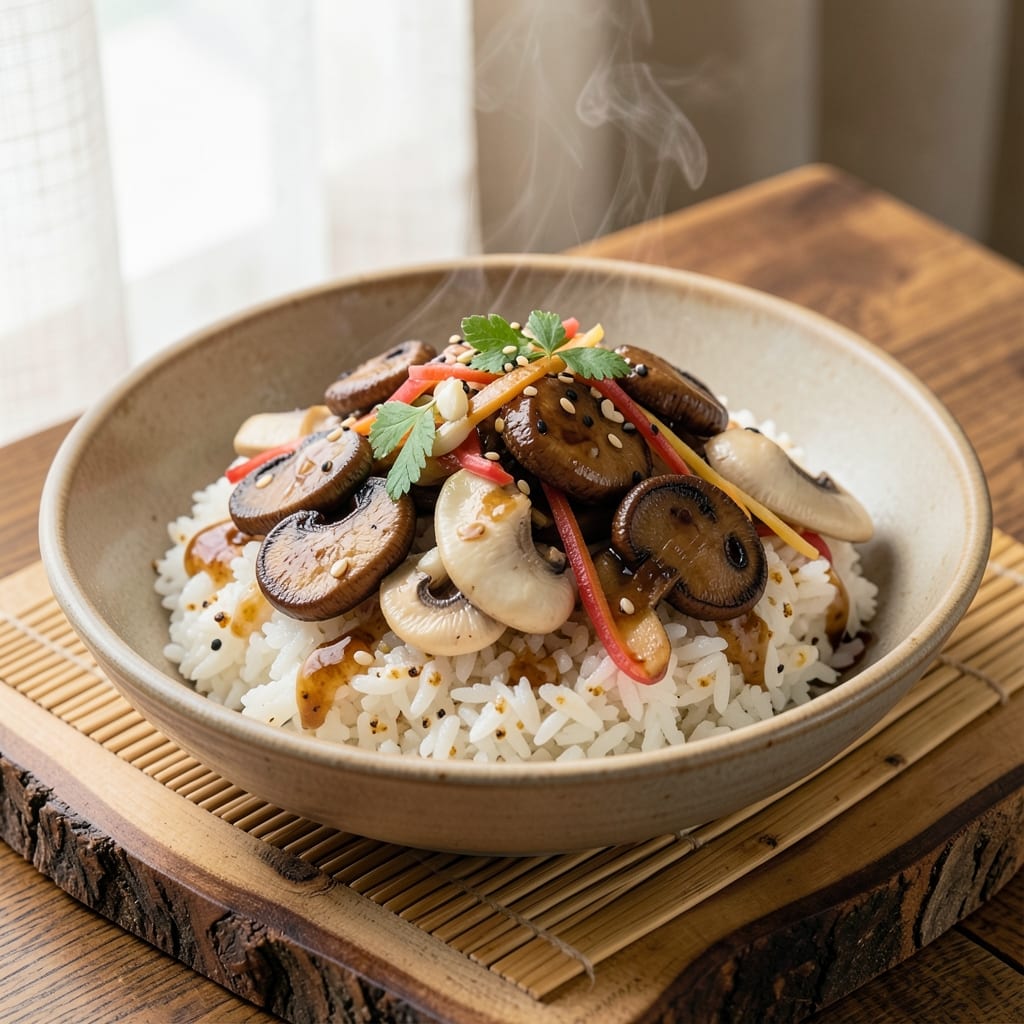
This Asian mushroom rice recipe transforms simple ingredients into a fragrant, umami-rich dish that captures the essence of wok-tossed Asian cuisine. 💛 The secret lies in balancing earthy mushrooms with aromatic seasonings, creating a one-pot meal that's both comforting and restaurant-worthy. Perfect for weeknight dinners or meal prep, this recipe delivers bold flavors without requiring advanced techniques.
Inspired by traditional stir-fried rice dishes from across Asia, this version focuses on shiitake and oyster mushrooms for their meaty texture and deep umami flavor. We'll start with perfectly cooked rice as the base, then build layers of savory goodness through a quick wok-style sauté. The combination of garlic, ginger, and soy sauce creates a fragrant sauce that clings to every grain.
What you'll end up with is a dish that's hearty enough for a main course but simple enough to prepare in under 30 minutes. The mushrooms add satisfying texture while absorbing all those delicious flavors, and the rice stays tender with each bite. This recipe works beautifully as a standalone meal or paired with proteins like chicken, shrimp, or tofu.
Whether you're recreating a classic Asian home-style meal or creating something new, this mushroom rice delivers on flavor and convenience. Let's get started with a dish that's equal parts comforting and exciting—perfect for any occasion.
Ingredients for asian mushroom rice
Earthy mushrooms meet aromatic seasonings in this umami-packed wok-tossed rice, designed for restaurant-quality flavor at home.
| Ingredient | Amount | Notes |
|---|---|---|
| Long-Grain White Rice 🍚 | 2 cups | Uncooked, jasmine or basmati preferred |
| Fresh Shiitake Mushrooms 🍄 | 8 whole | Stems removed, sliced into thirds |
| Oyster Mushrooms 🍄 | 8 oz | Fresh, sliced into bite-sized pieces |
| Garlic Cloves 🧄 | 6 cloves | Minced finely for aromatic depth |
| Fresh Ginger 🌿 | 1 ½ tbsp | Grated finely, for zesty kick |
| Soy Sauce 🥄 | ⅓ cup | Light or all-purpose, for umami |
| Sesame Oil 🫒 | 1 tbsp | Toasted, for nutty aroma |
| Vegetable Oil 🫒 | 2 tbsp | High smoke point for wok cooking |
| Green Onions 🧅 | 3 whole | Thinly sliced, for fresh finish |
| Lime 🍋 | 1 whole | Juiced, for bright acidity |
| Diamond Crystal Kosher Salt 🧂 | ½ tsp | Adjust to taste, for seasoning |
| Black Pepper 🌶️ | ¼ tsp | Freshly ground for heat |
| Asian Sesame Seeds 🌾 | 1 tsp | Toasted lightly for crunch |
The mushrooms are the heart of this dish—shiitake for deep umami and oyster for tender texture. Look for fresh, firm mushrooms at specialty markets like Whole Foods or Asian grocery stores, where they often carry pre-sliced varieties for convenience. If using dried shiitake, rehydrate first—they’ll add an even more intense flavor. For the garlic and ginger, fresh is non-negotiable; pre-minced jars lack the aromatic punch. Penzeys Spices carries high-quality ginger if you prefer pre-grated, but grating your own ensures maximum freshness. Sesame oil should be toasted—check the label or lightly toast your own by warming it in a dry pan for 30 seconds.
No fresh shiitake? Cremini mushrooms work in a pinch, though they lack the same earthy depth. Dried oyster mushrooms can be rehydrated for a meatier texture, but they’ll absorb more liquid. Short on garlic? Garlic powder at half the amount is a decent substitute, but fresh is ideal. Low-sodium soy sauce is recommended unless you’re adding extra salt later—Kikkoman or Lee Kum Kee are reliable brands. For the rice, jasmine or basmati holds up best to stir-frying, though any long-grain variety will work. Day-old rice is ideal for this dish—it’s less sticky and absorbs flavors better. If using freshly cooked rice, spread it on a tray to cool and dry slightly before tossing.
Rice reheats beautifully—microwave with a splash of water for 30 seconds to restore moisture. Store leftovers in an airtight container for up to 4 days, though the mushrooms may soften further. For longer storage, freeze portions for 3 months; thaw overnight in the fridge before reheating. The sesame seeds can be toasted fresh before serving—30 seconds in a dry pan over medium heat enhances their nutty flavor. Garnish with extra green onions and lime wedges for a vibrant finish, as these brighten up the dish when added at the end.
Why You'll Love This Recipe
- No Chopping Chaos: The shiitake and oyster mushrooms just need a quick wipe—no dicing, no fuss. Honestly, I toss in the whole cloves of garlic and ginger (peeled!) and let the pan do the work. That’s 5 minutes saved right there, and the flavor? Still insane.
- Umami Magic: Between the earthy shiitake, the briny oyster mushrooms, and that fresh ginger-garlic sizzle, every bite tastes like a hug from a food truck. I’ll be real: the first time I made this, my roommate stole half my portion before I could even sit down.
- Lunchbox Hero: This keeps perfectly for days—pack it cold for work or reheat it in 30 seconds. I meal prep this every Sunday because it’s the only rice that doesn’t turn sad in the fridge. (Yes, even on a Tuesday night.)
- Budget Stretch: Fresh mushrooms might sound fancy, but they’re cheaper than takeout and way healthier. A single batch feeds four, and the leftovers? I freeze them for lazy nights. My wallet and my taste buds thank me.
Step-by-step instructions for Asian mushroom rice
Master this fragrant wok technique for restaurant-quality rice every time.
🍳 Step 1: Prepare the Mushroom and Aromatic Base
Heat the 2 tablespoons vegetable oil in a wok or large skillet over medium-high heat until shimmering. Add the 8 oz oyster mushrooms and 8 whole fresh shiitake mushrooms (stems removed, sliced into thirds) and stir-fry for 4-5 minutes until they release their moisture and begin to brown. This step develops their deep umami flavor.
Push the mushrooms to one side of the wok and add the 2 tablespoons vegetable oil (if needed) along with the 6 cloves minced garlic and 1.5 tablespoons grated fresh ginger. Cook for 30 seconds until fragrant—you'll smell that perfect aromatic punch. Here's the thing: don't let the garlic burn, or you'll lose that sweet, nutty flavor we're after.
🍳 Step 2: Toast the Rice and Build the Sauce
Add the 2 cups long-grain white rice to the wok and stir vigorously for 1-2 minutes until each grain is lightly toasted and translucent at the edges. This toasting step prevents mushy rice and adds a subtle nutty flavor. I like to use a wooden spoon for this—it gives me better control than metal utensils.
Pour in the ⅓ cup soy sauce and 1 tablespoon toasted sesame oil, then toss everything together for 1 minute. The rice should be evenly coated and slightly sticky from the sauce. If it looks dry, add 2 tablespoons water—just enough to help the sauce cling without making it soggy. This is where the magic happens: the soy sauce infuses the rice with umami while the sesame oil adds depth.
🥘 Step 3: Cook the Rice to Perfect Texture
Add 1½ cups water (measured precisely) to the wok and stir once to distribute evenly. Bring to a boil over high heat, then immediately reduce to medium-low heat, cover tightly with a lid, and cook for 15 minutes without disturbing. The steam will work its way through the rice, creating fluffy grains with separate edges.
After 15 minutes, check the rice by lifting the lid slightly and peeking. If there's still liquid at the bottom, cover and cook for another 2-3 minutes. The rice should be tender but still slightly firm—this is the al dente texture we want. Real talk: don't walk away during this step. Rice has a narrow window between perfect and mushy.
👨🍳 Step 4: Finish with Fresh Aromatics
Remove the wok from heat and let the rice steam covered for 5 minutes. This resting period allows the residual heat to finish cooking the rice evenly. While it rests, prepare the finishing touches: zest and juice the 1 whole lime (save the zest for garnish), thinly slice the 3 whole green onions, and lightly toast the 1 teaspoon Asian sesame seeds in a dry pan for 30 seconds until fragrant.
Gently fold the lime zest, lime juice, ½ teaspoon Diamond Crystal kosher salt, and ¼ teaspoon freshly ground black pepper into the rice. The acidity brightens the dish, while the salt and pepper balance the rich umami flavors. Finally, sprinkle the toasted sesame seeds and sliced green onions over the top. Serve immediately while the rice is still steaming hot—this dish tastes best fresh from the wok.
Pro Tips For Making Asian Mushroom Rice
- STIR-FRY MUSHROOMS FIRST: The mushrooms release their water immediately when sliced—toss them in a hot, dry pan for 2-3 minutes before adding anything else. This cuts down on soggy rice later, and the concentrated umami flavor sticks to the pan instead of steaming away. (Yes, even if you’re impatient like me, resist the urge to rush this.)
- USE DRY SHIITAKES TOO: Fresh shiitakes are great, but toss in a few rehydrated dried ones (just 10 minutes in hot water) for deeper earthiness. I learned this the hard way—fresh-only batches never had that "something extra" until I added them. Let the dried ones soak in the rice’s cooking liquid for the last 10 minutes of simmering.
- DON’T OVERCOOK THE GINGER: Peel and julienne that ginger thin—paper-thin slices fry up in seconds and pack way more flavor than thick chunks. Thick slices turn to mush and turn the rice into a ginger-flavored pudding. (Your future self will thank you for the 30 seconds it takes to slice it properly.)
- TOAST THE RICE SEPARATELY: Cook the rice al dente (just slightly firm), then spread it on a tray to dry out for 10 minutes. When you mix in the mushrooms and aromatics, the rice absorbs flavors like a sponge instead of turning into a gluey mess. Sounds weird, but it works—trust the process. (This is the thing that actually changes the outcome.)
Dietary considerations for these flavors
Gluten-Free Adaptations
This recipe naturally accommodates gluten-free diets by using simple, naturally gluten-free ingredients like rice, mushrooms, and fresh aromatics. The key is ensuring your soy sauce is gluten-free—opt for tamari or certified gluten-free soy sauce like San-J Tamari. I also recommend checking your sesame oil and sesame seeds for cross-contamination warnings, as some brands process them in shared facilities. 💛
Low-Carb Options
For a lower-carb version, replace the white rice with cauliflower rice (about 3 cups fresh or frozen, drained well). The texture will differ slightly—cauliflower rice absorbs flavors differently—but the umami from mushrooms and soy sauce still shines. Cook the cauliflower rice separately in a pan with 1 tablespoon oil for 5-6 minutes until tender, then mix it with the sautéed mushrooms and sauce. This swap cuts carbs significantly while keeping the dish hearty.
Vegetarian and Vegan
This recipe is already vegetarian, but for a fully vegan version, ensure your soy sauce is vegan (most are, but some contain fish-based additives). The sesame oil and sesame seeds are naturally vegan, and all other ingredients fit seamlessly. For extra protein, stir in ½ cup cooked lentils or tofu cubes during the final toss. I love adding marinated tofu for texture—just pat it dry before cooking to avoid excess moisture.
Allergen-Friendly Swaps
If sesame allergies are a concern, skip the sesame oil and seeds, and boost flavor with an extra ½ teaspoon toasted cumin seeds or 1 teaspoon smoked paprika. For nut allergies, avoid cross-contamination by using dedicated utensils and pans. The mushrooms and rice base remain safe, but always double-check labels on soy sauce and spices—some contain trace nuts. Fresh lime and green onions add brightness without allergens.
Protein Boosters
Turn this into a complete protein meal by adding 1 cup cooked shrimp, chicken breast strips, or crumbled tofu. For shrimp, toss them in 1 tablespoon soy sauce and ½ teaspoon cornstarch before adding to the wok in the final 2 minutes of cooking. Chicken works well if sliced thinly and cooked until just done—165°F internal temperature. Tofu should be pressed, cubed, and pan-fried until golden before mixing in. These additions keep the dish light while adding substance. 💪
Nutrition facts
Frequently asked questions
Can I use dried mushrooms instead of fresh?
Yes! Rehydrate dried shiitake or oyster mushrooms first by soaking them in warm water for 20-30 minutes. Drain well and pat dry before using. Dried mushrooms have an even more intense umami flavor, so you may want to reduce the soy sauce slightly (¼ cup instead of ⅓ cup) to balance the taste. The texture will be slightly meatier than fresh mushrooms.
What's the best way to reheat leftover mushroom rice?
Spread leftovers on a tray and microwave for 1-2 minutes with 1 tablespoon water to restore moisture. For crispier texture, reheat in a skillet over medium heat with ½ teaspoon sesame oil for 3-4 minutes, stirring occasionally. Avoid steaming directly in the microwave, as it makes the rice gummy.
How can I make this dish spicier?
Add ½ teaspoon red pepper flakes or 1 teaspoon sriracha when tossing the rice with soy sauce. For heat with depth, stir in 1 teaspoon gochujang (Korean chili paste) during the final flavor step. If using fresh chili, remove seeds first to control spice level. Balance with extra lime juice to brighten the heat.
Why does my rice turn out mushy?
Mushy rice usually happens from overcooking or insufficient resting time. Use 1½ cups water for 2 cups uncooked rice and reduce heat immediately after boiling. Let it steam covered for 5 minutes after cooking—this crucial resting period lets residual heat finish cooking without overdoing it. Also, avoid lifting the lid too soon to check doneness.
What are good side dishes to serve with this?
Pair with light, fresh sides to balance the rich umami flavors. Try steamed bok choy, cucumber salad with rice vinegar, or quick-pickled vegetables. For protein, grilled shrimp skewers or miso-glazed salmon complement perfectly. The acidity from sides like kimchi or a simple mango salad also cuts through the dish's richness.