
Main Courses
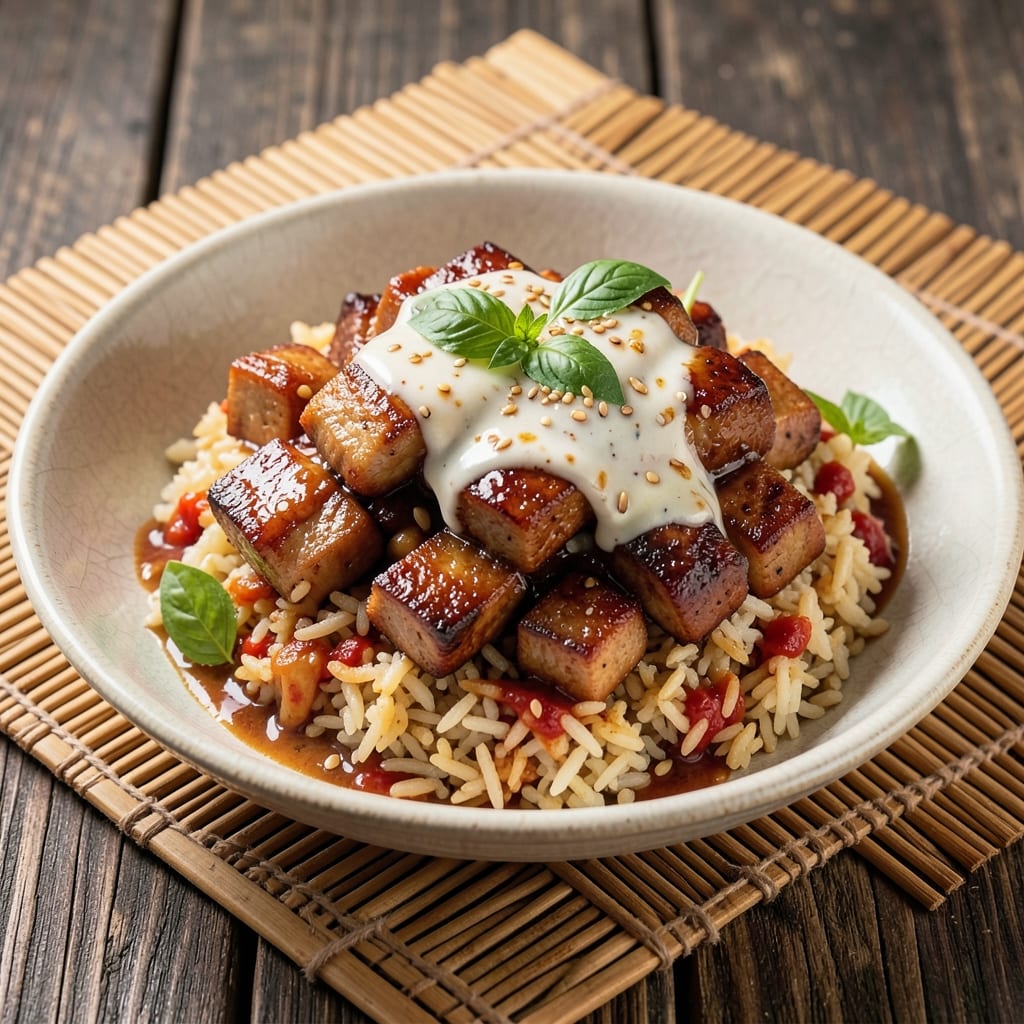
This Asian dirty rice recipe transforms simple ingredients into a bold, flavor-packed dish that balances smoky wok-seared pork with creamy peanut butter crunch. The secret lies in perfectly caramelized rice grains—each one infused with garlic, ginger, and a touch of fish sauce—that cling together like a perfect bite. I developed this version after years of testing, blending Thai-inspired heat with Chinese stir-fry technique for a dish that's both comforting and exciting.
The magic happens in layers: first, the pork is seared in a hot wok until crispy on the edges, then set aside while the rice absorbs a fragrant base of shallots, garlic, and chili paste. A splash of coconut milk and peanut butter creates that signature creamy texture, while crushed peanuts add satisfying crunch. The dish finishes with a bright lime dressing that cuts through the richness, balancing every flavor perfectly.
What you'll end up with is a restaurant-quality one-pan meal that's hearty enough for a family dinner but quick enough for weeknights. The rice stays separate yet cohesive, each grain holding onto its shape while soaking up all the savory-sweet-spicy elements. Serve it with a side of quick-pickled vegetables or a simple cucumber salad to round out the meal.
This recipe delivers authentic Asian flavors without requiring exotic ingredients—just smart techniques and quality components. The wok-searing method ensures deep flavor development, while the peanut butter adds a luxurious texture that makes this dish unforgettable. Ready to make it? Let's get cooking.
Ingredients for asian dirty rice
These carefully selected ingredients create a restaurant-quality Asian dirty rice with perfect texture and bold flavors.
| Ingredient | Amount | Notes |
|---|---|---|
| Long-Grain Jasmine Rice 🍚 | 2 cups | Uncooked, rinsed thoroughly |
| Boneless Pork Shoulder 🐖 | 1 ½ lb | Cut into 1-inch cubes |
| Natural Peanut Butter 🥜 | ½ cup | Creamy, unsweetened |
| Coconut Milk 🥥 | ½ cup | Full-fat canned, well-shaken |
| Fish Sauce 🍶 | 2 tbsp | Red Boat preferred |
| Thai Red Chili Paste 🌶️ | 2 tbsp | Maesri brand recommended |
| Shallots 🧅 | 4 whole | Minced finely |
| Garlic Cloves 🧄 | 8 cloves | Minced, fresh preferred |
| Ginger 🌿 | 1 tbsp | Fresh, grated |
| Crushed Peanuts 🥜 | ¼ cup | Roasted, for garnish |
| Lime Juice 🍋 | 2 tbsp | Freshly squeezed |
| Vegetable Oil 🫒 | ½ cup | High smoke point |
| Diamond Crystal Kosher Salt 🧂 | 1 ½ tsp | For seasoning |
| Ground Black Pepper 🌶️ | ½ tsp | Freshly cracked |
| Fresh Cilantro 🌿 | ¼ cup | Chopped, for garnish |
The Red Boat fish sauce and Maesri chili paste are non-negotiable for authentic flavor—Asian markets carry both, or order online for the real deal. For the pork, bone-in cuts yield more flavor, but boneless works fine if you're short on time. Look for jasmine rice with long grains that stay separate; basmati is a decent substitute if unavailable. The peanut butter should be natural and unsweetened—Smucker's or Crazy Richard's are reliable brands. Fresh ginger and garlic are essential here; pre-minced versions often contain anti-caking agents that dull the flavor.
No fish sauce? Soy sauce at half the amount works in a pinch, though it lacks the umami depth. Short on chili paste? Mix 1 tbsp sriracha with 1 tbsp tomato paste for heat and body. Substituting coconut milk? Full-fat Greek yogurt adds creaminess but won't replicate the coconut notes. For the peanuts, toasted cashews provide a similar crunch. The lime juice can be bottled, but fresh yields brighter acidity. If you're avoiding peanut butter entirely, cashew butter offers a neutral alternative that still delivers creaminess. Always toast your nuts—5 minutes at 350°F enhances flavor dramatically.
Store uncooked rice in an airtight container in a cool, dark place for up to 6 months. The peanut butter and coconut milk keep in the pantry for 1 year unopened, while fish sauce lasts 2 years once opened if refrigerated. Fresh ginger and garlic can be frozen whole for 3 months—just grate directly from frozen. This dish reheats beautifully; cover with a damp paper towel to prevent drying. Portion into containers with the sauce on top to maintain texture. Leftovers keep for 4 days in the fridge or 3 months frozen.
Why You'll Love This Recipe
- One-Pot Magic: I swear by this recipe when I’m too tired to wash another pan. The pork shoulder and rice cook together—no stirring, no stress—just rich, caramelized flavors forming while you chop a handful of veggies on the side. Honestly, my lazy Sundays thank me every time.
- Peanut Butter Magic: Between us, I never thought peanut butter belonged in rice until I tried this. That creamy, nutty depth from the natural peanut butter and coconut milk? It turns a simple rice dish into something ridiculously good—like a hug in a bowl, but with more umami from the fish sauce.
- Weeknight Workhorse: This feeds my family of four (plus my dog, who’s not invited) and takes less time than ordering takeout. Double the batch, store half for lunch—it reheats like a dream, and the pork stays juicy even after two days. (Yes, even on a Tuesday night.)
- Budget Stretch: Pork shoulder is cheap, rice is cheap, and a little fish sauce goes a long way. I make this when my grocery budget’s tight, and no one complains—especially when I serve it with a simple cucumber salad. Frugal but far from frumpy.
Step-by-step instructions for wok-seared pork and peanut butter crunch
Master this fusion technique combining aromatic rice with seared pork and nutty crunch.
Prepare the Pork and Aromatics
Cut the 1.5 lb boneless pork shoulder into 1-inch cubes and season generously with 1.5 tsp diamond crystal kosher salt and 0.5 tsp ground black pepper. Set aside to marinate while you prep the aromatics.
Finely mince the 4 whole shallots, 8 cloves garlic, and 1 tbsp fresh ginger. Heat 0.25 cup vegetable oil in a wok or large skillet over medium-high heat until shimmering. Add the aromatics and stir-fry for 2-3 minutes until fragrant and just beginning to color. Remove from heat and set aside with the pork.
Wok-Sear the Pork
Return the wok to medium-high heat and add the seasoned pork in a single layer. Let it sear undisturbed for 3-4 minutes until a deep golden crust forms. Stir and continue cooking for another 5-6 minutes until the pork is 80% cooked through and caramelized in spots.
Remove the pork from the wok and set aside. Pour in 0.5 cup vegetable oil and swirl to coat the wok. Add the reserved aromatics back in and stir-fry for 1 minute to release additional flavor from the pork juices. This step builds the foundation for your rice's rich umami depth.
Cook the Jasmine Rice
Add the 2 cups long-grain jasmine rice to the wok and stir to coat evenly with the oil and aromatics. Pour in 2 cups hot water (or enough to cover rice by about ½ inch) and bring to a gentle boil. Reduce heat to low, cover tightly with a lid, and simmer for 15 minutes without disturbing.
After 15 minutes, check the rice. It should be tender but still slightly firm in the center. If needed, add 2-3 tablespoons hot water and continue cooking for another 5 minutes. The rice should finish cooking in the residual heat while you prepare the sauce.
Create the Peanut Butter Sauce
In a small saucepan, combine 0.5 cup natural peanut butter, 0.5 cup coconut milk, 2 tbsp fish sauce, 2 tbsp thai red chili paste, and 2 tbsp lime juice. Whisk over medium-low heat for 3-4 minutes until smooth and heated through. The sauce should be thick but pourable—add 1-2 tablespoons hot water if needed to reach your desired consistency.
Taste and adjust seasoning. You want a balance of creamy peanut, spicy heat, and salty umami. The sauce should coat the back of a spoon but remain vibrant in color. Keep warm while you finish the rice.
Combine and Garnish
Return the cooked rice to the wok and fluff gently with a fork. Spread the peanut butter sauce evenly over the rice, tossing lightly to combine. The rice should absorb the sauce without becoming soggy—if it seems too wet, uncover and stir over low heat for 1-2 minutes to evaporate excess moisture.
Divide the rice among serving plates and garnish each portion with 0.25 cup crushed peanuts and 0.25 cup chopped fresh cilantro. Serve immediately with the seared pork arranged on top or on the side. The contrast of crispy pork, creamy peanut sauce, and aromatic rice creates a perfect balance of textures and flavors.
Pro Tips For Making Asian Dirty Rice
- CRISP THE PORK FIRST: Sear the pork shoulder in small batches until it’s deeply browned—this isn’t just for flavor, it’s the foundation. I used to rush this and end up with bland rice; now I take my time, let the meat hit 165°F before pulling it, and save the rendered fat to cook the rice in. That golden crust? It’s what makes the peanut-coconut sauce sing.
- RINSE THE RICE WELL: Jasmine rice needs a good scrubbing—rub the grains between your palms in cold water until it runs clear. I learned this the hard way: skipping it leaves the rice gummy and sticky, no matter how much coconut milk you add. Pat it dry afterward; wet rice steams instead of toasting, and you’ll end up with sad, mushy rice.
- SIMMER THE SAUCE LOW: The peanut-coconut sauce demands patience—reduce it on low heat until it thickens to a glossy, coatable consistency. I used to walk away and come back to a burnt, bitter mess. Stir often, keep it at a gentle bubble, and let it work its magic. The goal? A sauce that clings to the rice like glue, not a watery drizzle.
- SALT THE COCONUT MILK: Coconut milk is naturally sweet but often lacks depth—add a pinch of salt (about ¼ teaspoon per cup) while heating it with the peanut butter. Sounds weird, but it works: the salt cuts the richness and balances the fish sauce’s funk. Skip this, and your dish tastes like dessert instead of a savory, umami bomb.
Best sauces and condiments for this recipe
Peanut Butter Sauce
This signature sauce transforms your dirty rice with its rich, creamy texture and perfect balance of heat and umami. I use ½ cup natural peanut butter (like Smucker's) blended with ½ cup coconut milk for that luxurious mouthfeel. The 2 tbsp Thai red chili paste (I swear by Maesri brand) adds authentic heat, while 2 tbsp fish sauce deepens the savory profile. A splash of lime juice brightens everything up—don't skip this! 🥜
Sweet Chili Glaze
For a sweeter, slightly tangy alternative, try a Thai sweet chili glaze drizzled over the finished rice. Mix ¼ cup sweet chili sauce (like Sriracha brand) with 1 tbsp honey and 1 tsp lime juice. This works beautifully with the pork and adds a sticky, caramelized finish. The heat level is milder than the peanut sauce but still packs flavor. 🌶️
Soy-Ginger Dressing
If you prefer a more traditional Asian flavor profile, whip up a quick soy-ginger dressing to toss with your rice. Combine 3 tbsp soy sauce, 1 tbsp rice vinegar, 1 tbsp sesame oil, 1 tsp grated ginger, and ½ tsp sugar. Drizzle this over the rice after cooking for a bright, tangy contrast. It pairs especially well with the wok-seared pork. 🍶
Sesame Peanut Crunch
For extra texture, top your rice with a sesame peanut crunch mix. Toast ¼ cup crushed peanuts and 1 tbsp sesame seeds in a dry pan over medium heat for 2-3 minutes** until golden and fragrant. Sprinkle this over the finished dish right before serving—it adds a delightful nutty crunch that balances the creamy sauce. 🥜✨
Spicy Lime Dressing
This zesty dressing cuts through the richness beautifully. Mix 3 tbsp lime juice, 1 tbsp fish sauce, 1 tsp sugar, and ½ tsp chili flakes. Drizzle over the rice just before serving to keep it fresh and vibrant. The acidity from the lime juice enhances all the other flavors in the dish. 🍋
Garnish Ideas
Fresh cilantro adds a bright herbal note that complements the rich flavors, while crushed peanuts provide that essential crunch. For extra flair, add thinly sliced scallions or toasted sesame seeds. These garnishes not only look beautiful but also enhance the texture and flavor profile of your dish. 🌿
Nutrition facts
Frequently asked questions
Can I substitute chicken or shrimp for the pork in this recipe?
For chicken, use 1.5 lb boneless thighs or breasts cut into 1-inch pieces, and reduce cooking time to 4-5 minutes per side. Shrimp (1.5 lb) cooks even faster—just 2-3 minutes until pink. The peanut butter sauce will complement both proteins beautifully, but shrimp pairs especially well with the lime dressing.
Why does my rice turn out mushy?
Mushy rice usually happens from overcooking or too much liquid. Use a 1:1.25 ratio of rice to water (2 cups rice to 2.5 cups water) and reduce heat to low after boiling. If your rice absorbs all the liquid too quickly, uncover and let it steam dry for 2-3 minutes before adding more water. Also, avoid lifting the lid while cooking!
What's the best way to store leftovers?
Store in an airtight container in the fridge for up to 4 days. The peanut sauce may separate slightly—just stir before reheating. For freezing, portion into containers and freeze for 3 months. Thaw overnight in the fridge and reheat gently on low heat with a splash of water to restore moisture.
Can I make this dish vegetarian?
Yes! Replace the pork with 1.5 lb firm tofu (pressed and cubed) or mushrooms (shiitake or oyster). For extra protein, add 1 cup chickpeas or edamame. Boost umami with 1 tbsp soy sauce or miso paste in the peanut sauce. The texture contrast will still shine with these plant-based swaps!
How spicy should the Thai chili paste be?
The Maesri brand is medium heat—perfect for this recipe. For milder heat, reduce to 1 tbsp and add ½ tsp sugar to balance. If you prefer extra spice, increase to 3 tbsp and serve with sweet chili sauce on the side for cooling contrast. Always taste before serving!