
Main Courses
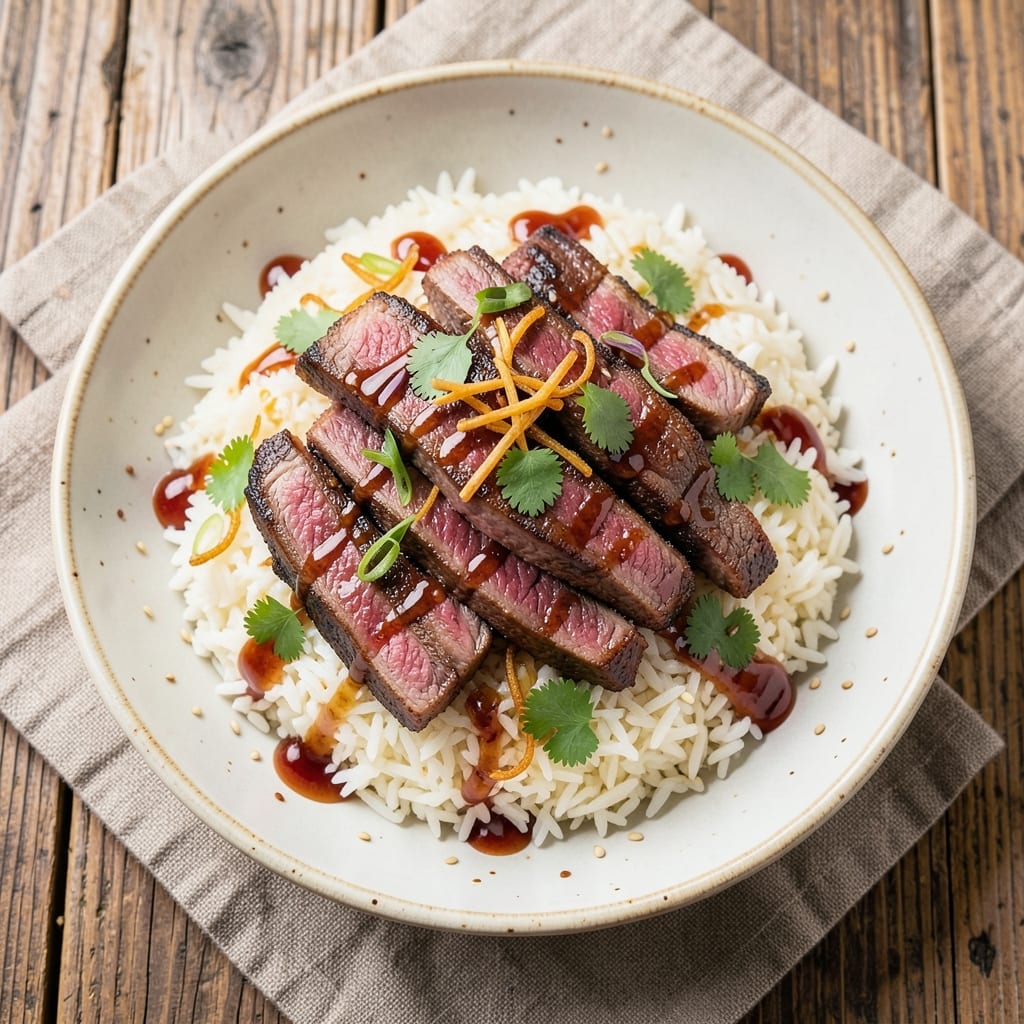
This Asian beef and rice bowl recipe delivers the perfect balance of tender wok-seared beef, fragrant jasmine rice, and bold flavors in every bite. The secret lies in marinating the beef for deep flavor penetration while achieving a perfect sear—crispy edges that give way to juicy, savory meat. I developed this recipe after years of testing different techniques to create a dish that's both restaurant-quality and simple enough for weeknight dinners.
The foundation starts with perfectly cooked jasmine rice that stays light and fluffy, absorbing the rich sauce without becoming mushy. Meanwhile, the beef gets marinated in a blend of soy sauce, garlic, and ginger, then quickly seared in a hot wok to lock in juices. The sauce—whether teriyaki, soy-ginger, or peanut—ties everything together with its perfect balance of sweet, savory, and umami notes. Each component is thoughtfully prepared to ensure harmony in every bowl.
What makes this recipe truly special is how customizable it is. You can adjust the sauce to your preference, add quick-pickled vegetables for brightness, or garnish with sesame seeds and green onions for texture. The result is a visually appealing dish that's as satisfying to eat as it is to make. This is the kind of meal that transforms a simple dinner into an experience worth repeating.
Whether you're serving a family or meal prepping for the week, this recipe scales beautifully while maintaining its restaurant-quality taste. The wok-seared beef stays tender even when reheated, and the fragrant jasmine rice keeps its texture. Let's get started on creating a bowl that's as delicious as it is impressive.
Ingredients for asian beef and rice bowl
Fragrant jasmine rice, perfectly seared beef, and bold Asian flavors—this bowl delivers restaurant-quality magic.
| Ingredient | Amount | Notes |
|---|---|---|
| Jasmine Rice 🍚 | 1 ½ cups | Uncooked, long-grain preferred |
| Ribeye Steak 🥩 | 1 ¼ lb | Thinly sliced against grain |
| Soy Sauce 🥢 | ½ cup | High-quality, preferably Japanese |
| Garlic Cloves 🧄 | 6 cloves | Minced, fresh preferred |
| Fresh Ginger 🌿 | 2 tbsp | Grated, peeled, organic best |
| Sesame Oil 🫒 | 1 tbsp | Toasted, for aroma |
| Honey 🍯 | 2 tbsp | Pure, for sauce balance |
| Vegetable Oil 🫒 | 2 tbsp | High smoke point for searing |
| Green Onions 🧅 | 4 whole | Thinly sliced, white/green parts |
| Sesame Seeds 🌱 | 1 tbsp | Toasted, for garnish |
| White Pepper 🌶️ | ½ tsp | Freshly ground for heat |
| Salt 🧂 | 1 ½ tsp | Kosher, for seasoning |
| Cornstarch 🌾 | 1 tbsp | For beef marinade |
The ribeye steak is non-negotiable for this dish—its marbling ensures tender, juicy bites. Look for pre-sliced ribeye at Asian markets or your grocery store's butcher counter, where it's often labeled for stir-fry. If buying whole, slice against the grain for tenderness. For the jasmine rice, Daybreak brand is my go-to—it stays fluffy and fragrant. Fresh ginger and garlic? Organic is worth it—the flavor punch is noticeably brighter. Toast your sesame seeds in a dry pan for 30 seconds before using; they'll add incredible crunch and aroma.
No ribeye? Flank steak or sirloin work in a pinch, but slice extra thin—they're leaner. Running low on sesame oil? Avocado oil is a neutral swap, but reduce to 1/2 tbsp to avoid overpowering. The cornstarch in the marinade is key—it helps create that crispy sear while keeping the beef tender. For the soy sauce, Kikkoman or Lee Kum Kee are reliable, but Japanese shoyu adds depth. Quick-pickled veggies missing? Toss shredded carrots in rice vinegar, sugar, and salt for 10 minutes—instant brightness. The honey in the sauce? Local raw honey adds floral notes that store-bought can't match.
Marinate the beef for at least 30 minutes—overnight is ideal. The rice keeps best in the fridge for 3 days in an airtight container, but reheat gently to preserve texture. Freeze portions of the cooked beef (without sauce) for up to 3 months—thaw in the fridge before reheating. For meal prep, assemble bowls day-of to keep rice from getting soggy. The sesame seeds? Store them in a dark jar at room temp—they stay fresh for 6 months, but toast them fresh for maximum flavor.
Why You'll Love This Recipe
- Here’s what sold me: the beef stays juicy for days, and the rice? Even better the next day. Pack it for lunch or reheat it for dinner—no dry, sad leftovers here.
- Steak in 10 Minutes: That ribeye? It’s seared in a screaming-hot pan with garlic and ginger until it’s got that perfect crust—crispy outside, tender inside. No fancy knife work, no waiting for hours; just slice it thin and serve.
- Umami Bomb: The soy sauce and ginger marry so well with the ribeye that every bite feels like a hug. Honestly, I’ve tried store-bought sauces, but this combo? It’s the real deal—simple, but ridiculously flavorful.
- Leftovers? Better Than Fresh: Here’s what sold me: the beef stays juicy for days, and the rice? Even better the next day. Pack it for lunch or reheat it for dinner—no dry, sad leftovers here.
Step-by-step instructions for wok-seared beef with fragrant jasmine rice
Here's how to transform simple ingredients into a restaurant-quality Asian beef bowl.
Marinate and Prep the Ribeye for Perfect Texture
Slice the 1.25 lb ribeye steak thinly against the grain into strips about ¼-inch thick. This ensures tender bites that cook quickly in the wok. In a bowl, combine the 1 tablespoon cornstarch, 0.5 cup soy sauce, 2 tablespoons honey, 0.5 teaspoon white pepper, and 1.5 teaspoons salt. Add the steak strips and toss until fully coated. Let it marinate for at least 20 minutes—this creates a tender, flavorful crust that locks in juices.
While the steak marinates, prepare the jasmine rice according to package instructions using 1.5 cups jasmine rice. I like to use a 1:1.25 rice-to-water ratio and bring it to a boil, then simmer covered for 15 minutes. Let it rest for 10 minutes off heat—this steaming time is crucial for fluffy grains. Fluff with a fork before serving.
Build the Flavor Base with Aromatics and Ginger
Heat a large wok or skillet over medium-high heat until smoking, then add 2 tablespoons vegetable oil. Add the 6 cloves minced garlic and 2 tablespoons grated fresh ginger, stirring constantly for 30 seconds until fragrant but not browned. This quick cook preserves their fresh flavor without bitterness. Push the aromatics to one side of the wok to create space for the beef.
Here's the thing—don't overcrowd the pan. The steak needs room to sear properly. If your wok is large enough, cook the beef in two batches for even browning. The cornstarch coating will create a beautiful caramelized crust when seared properly. Cook each batch for 2-3 minutes until deep golden brown on all sides, then remove and set aside.
Create the Glossy Honey-Soy Glaze
Lower the heat to medium and return the seared beef to the wok. Add the 1 tablespoon toasted sesame oil and 1 tablespoon sesame seeds, tossing to coat. Pour in any remaining marinade from the bowl (about ¼ cup) and let it bubble for 1 minute to deglaze the pan—this captures all those flavorful browned bits.
Simmer for 2-3 minutes until the sauce thickens slightly and coats the beef. The honey and soy sauce should meld into a glossy, sticky glaze. If the sauce is too thin, sprinkle in 1 teaspoon cornstarch mixed with 1 tablespoon water and stir until thickened. The beef should be coated in this beautiful amber sauce with visible sesame seeds clinging to the surface.
Assemble the Perfect Beef and Rice Bowl
Divide the fluffy jasmine rice evenly among four bowls. Top each serving with ¼ of the wok-seared beef, arranging the slices artfully. Drizzle with any remaining sauce from the wok, then scatter with thinly sliced green onions (white and green parts separated—white for color, green for freshness). Finish with an extra sprinkle of toasted sesame seeds for texture and aroma.
Real talk: the presentation matters almost as much as the flavor. The contrast of the glossy beef against the white rice, the bright green onions, and the nutty sesame seeds creates a visually stunning dish that's just as delicious as it looks. Serve immediately while the rice is still warm and the beef is sizzling.
Pro Tips For Making Asian Beef And Rice Bowl
- Slice Against the Grain: Ribeye’s muscle fibers run long—cutting perpendicular to them turns tough chews into melt-in-your-mouth bites. I used to slice after cooking, but now I trim the fat first, then slice before searing. The meat stays juicier this way, and your bowl gets that perfect texture with every bite.
- Use Cold Ginger: Fresh ginger loses its bite when cooked raw, but it’s the zing you need here. Peel and slice it thinly while still cold—it’s easier to handle and releases flavor faster. Toss it in at the very end of cooking, or even serve it on top. Trust me, your rice won’t taste like a bland sponge if you nail this.
- Sear in Two Stages: High heat for a crust, then lower heat to finish. Ribeye’s fat renders unevenly if you rush it. Start with a screaming-hot pan, sear 2 minutes per side, then pull it off, reduce heat to medium, and let it cook through slowly. That way, the outside stays crisp while the inside stays juicy—no more dry, overcooked steak in your bowl.
- Toast the Garlic: Raw garlic in soy sauce tastes like medicine. Slice those cloves paper-thin (yes, even the bigger ones), then fry them in the same pan you sear the beef—just until golden and fragrant. Add them to the soy sauce while it simmers, and suddenly your sauce goes from "meh" to "flavor bomb." (Bonus: The pan’s already hot, so no extra time wasted.)
Creative variations of this dish
Japanese Teriyaki Twist
Swap the honey for mirin and sake to create an authentic teriyaki glaze. Use 3 tbsp mirin, 2 tbsp sake, and 1 tbsp soy sauce in the marinade, then reduce with 1 tbsp sugar and 1 tbsp cornstarch for a glossy finish. Garnish with pickled ginger and shredded nori strips for that classic izakaya vibe. 🍶
Korean Bulgogi Fusion
Boost the marinade with 1 tbsp gochujang (Korean chili paste) and 1 tbsp brown sugar, then add 1 tbsp toasted sesame oil and 1 tsp grated pear (a traditional bulgogi tenderizer). Cook the beef in a cast-iron skillet> until caramelized, then serve over rice with kimchi> on the side. The sweet-spicy kick is addictive!
Thai Peanut Crunch
Create a peanut sauce by blending ½ cup creamy peanut butter, 2 tbsp soy sauce, 1 tbsp lime juice, 1 tbsp honey, 1 tsp sriracha, and 2 tbsp water. Toss the cooked beef in this sauce, then top with crushed peanuts> and cilantro. The nutty, tangy contrast with jasmine rice is pure comfort food magic. 🥜
Spicy Szechuan Kick
Add 1 tbsp Szechuan peppercorns> (toasted and crushed) and 1 tbsp chili oil> to the wok after searing the beef. The numbing-spicy heat is legendary! Garnish with scallions> and dried chili flakes> for extra drama. Serve with steamed bok choy> on the side for a full Szechuan experience.
Vegetarian Veggie Bowl
Replace the beef with extra-firm tofu> pressed for 30 minutes>, then cubed and pan-fried until crispy. Use the same marinade (without cornstarch) and toss with shredded carrots>, shredded cabbage>, and sliced bell peppers. Top with a drizzle of hoisin sauce> and crushed peanuts**> for texture. The umami-packed sauce still delivers big flavor! 🌱
Nutrition facts
Frequently asked questions
Can I use flank steak instead of ribeye for this recipe?
Yes! Flank steak works beautifully—it's leaner but still flavorful. Just slice it extra thin (⅛-inch thick) against the grain and marinate for at least 30 minutes (overnight is best). The cornstarch coating will help prevent dryness during searing. For best results, cook in batches to avoid overcrowding.
How do I make the rice stay fluffy when reheating?
Store cooked rice in an airtight container and refrigerate for up to 3 days. When reheating, add 1-2 teaspoons water per cup of rice and cover with a damp paper towel. Microwave for 1-2 minutes on high, then let sit covered for 1 minute to steam. Never reheat dry—this creates that dreaded "rice glue" texture!
What's the best way to store leftovers?
Keep components separate for freshness: store rice in one container, beef in another (without sauce). The beef stays good for 3 days in the fridge or 3 months frozen. When reheating, warm the beef separately—it reheats best from frozen in a skillet over medium heat for 2-3 minutes until steaming. Add sauce fresh for maximum flavor!
Can I make this gluten-free?
Replace soy sauce with tamari or coconut aminos (use ½ cup total). For the sauce, swap honey for maple syrup and use gluten-free cornstarch if needed. The beef will still develop that beautiful caramelized crust. Just ensure all other ingredients (like sesame oil and seeds) are certified gluten-free.
Why did my beef turn out tough instead of tender?
This usually happens from one of three things: not slicing against the grain, overcooking, or skipping the cornstarch. The grain direction is critical—it should be perpendicular to muscle fibers. Cook beef in one batch max for 2-3 minutes total (it'll finish cooking from residual heat). The cornstarch creates a protective crust that keeps juices in. Try again with these fixes!