
Main Courses
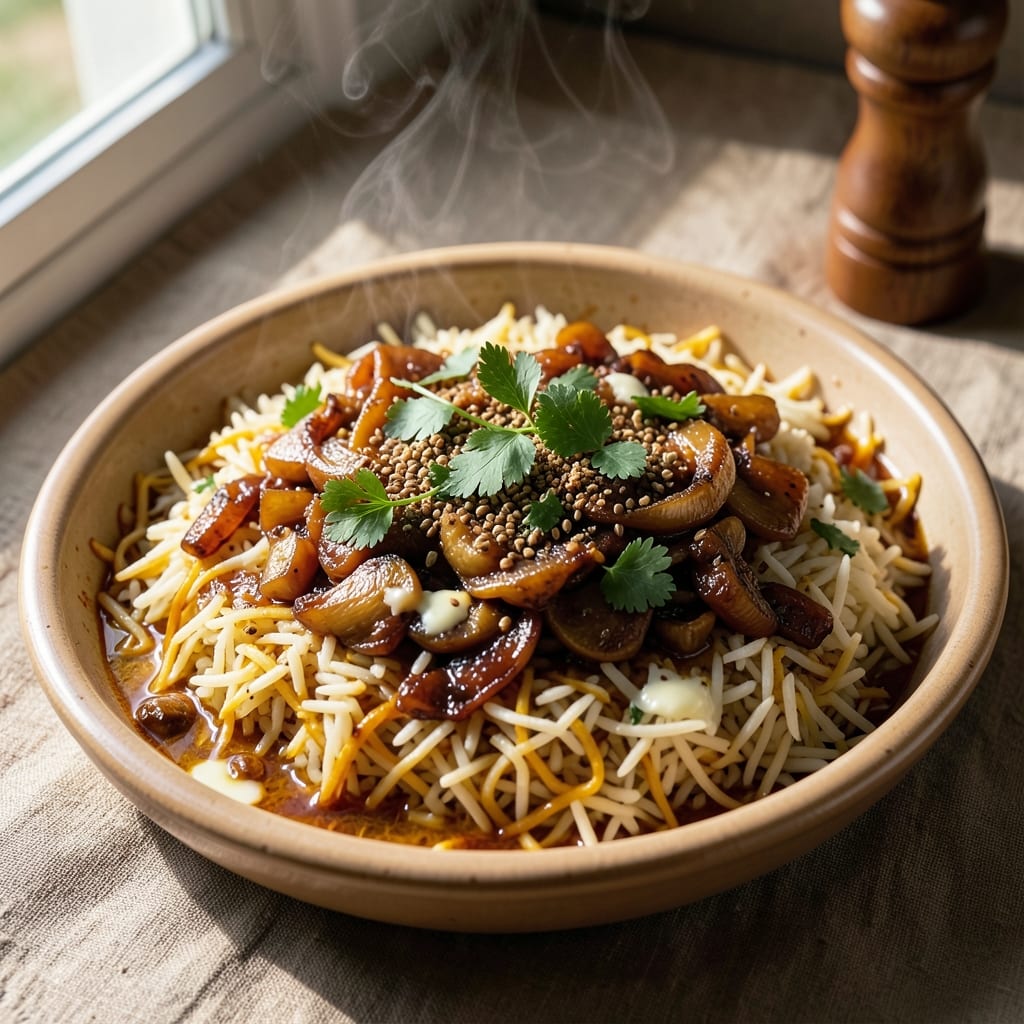
This Arabic saffron rice recipe transforms simple grains into a fragrant, golden masterpiece that’s the heart of Middle Eastern feasts. The secret lies in slow-toasting aromatic spices and infusing the rice with saffron’s delicate, floral essence—creating a dish that’s both elegant and deeply comforting. I’ve perfected this technique over years of testing, ensuring each grain stays tender while absorbing layers of warm, earthy flavor.
The process begins with blooming whole spices in butter until fragrant, then building a rich base of onions and garlic before adding rice and saffron-infused broth. This method guarantees fluffy, separate grains with a subtle golden hue, rather than the dense, sticky texture of other rice dishes. The result? A fragrant side that pairs beautifully with grilled meats, fish, or stands proudly as a vegetarian centerpiece.
What makes this recipe special is its versatility—serve it alongside lamb shawarma for a traditional meal, or pair it with roasted vegetables for a modern twist. The saffron not only adds color but also a luxurious depth that elevates any dish. Once you taste the difference between store-bought rice and this homemade version, you’ll never go back.
Ready in about 45 minutes, this dish requires minimal effort but delivers restaurant-quality results. The key is patience—letting the spices bloom and the saffron steep fully transforms ordinary rice into something extraordinary. Here’s how to make it shine.
Ingredients for arabic saffron rice
Transform simple grains into fragrant, golden saffron rice with these carefully chosen ingredients.
| Ingredient | Amount | Notes |
|---|---|---|
| Basmati Rice 🍚 | 1 ½ cups | Long-grain, uncooked preferred |
| Unsalted Butter 🧈 | ½ cup | European-style for higher smoke point |
| Yellow Onions 🧅 | 1 whole | Medium size, finely diced |
| Garlic Cloves 🧄 | 4 cloves | Fresh, minced for aromatic base |
| Ground Cumin 🌿 | 1 ½ tsp | Freshly toasted for deeper flavor |
| Ground Coriander 🌿 | 1 ½ tsp | Freshly ground preferred |
| Cardamom Pods 🌿 | 6 whole | Lightly crushed for subtle aroma |
| Cinnamon Sticks 🌿 | 2 whole | 1-inch pieces for gentle warming |
| Saffron Threads 🌼 | ¼ tsp | High-quality, organic preferred |
| Chicken or Vegetable Broth 💧 | 2 cups | Homemade or low-sodium store-bought |
| Salt 🧂 | 1 ½ tsp | Diamond Crystal kosher preferred |
| Black Peppercorns 🌶️ | ½ tsp | Freshly cracked for brightness |
| Fresh Parsley 🌿 | ¼ cup | Chopped, for garnish and freshness |
The foundation of this dish begins with high-quality basmati rice—look for long-grain varieties at Whole Foods or Middle Eastern specialty markets like Safeway's international aisle. The unsalted European-style butter is non-negotiable; its higher fat content prevents burning during the spice toasting. For the saffron, splurge on organic threads—they're more potent than powdered versions and dissolve beautifully into the broth. Cardamom and cinnamon should be lightly toasted in the butter to release their essential oils, which is why whole pods are better than pre-ground. The onions and garlic form the aromatic base, so freshly minced (not jarred) ensures maximum flavor development.
No cardamom pods? Substitute 0.5 teaspoon ground cardamom, but toast it in the butter first for depth. Running short on saffron? Turmeric at 1/4 teaspoon mimics the golden hue (though lacks floral notes). The broth can be vegetable-based for vegetarian versions, but chicken broth enhances the savory depth. For the spices, Penzeys Spices or Burlap & Barrel offer premium quality, but store-bought brands like Badia work well too. If you're using pre-ground spices, toast them in a dry pan for 30 seconds before adding to the butter to revive their flavors. The parsley is purely decorative but adds a bright finish—skip it if you're short but don't compromise on the saffron or butter**
Store cooked rice in an airtight container for up to 3 days in the fridge, though it's best served fresh. For longer storage, freeze portions for up to 3 months—reheat gently with a splash of broth to restore moisture. The saffron-infused butter base can be prepared ahead and refrigerated for up to 1 week, making this a perfect make-ahead dish for entertaining. Garnish with extra parsley and a pinch of saffron threads just before serving to maintain that restaurant-quality presentation. The rice reheats beautifully—cover with a damp paper towel in the microwave to prevent drying.
Why You'll Love This Recipe
- No Fuss, Big Payoff: I swear by this rice—just toast the onions and garlic in butter until golden, toss in the cumin, then let the saffron steep in warm water while the rice cooks. Minimal chopping, no fancy steps, and honestly? The hardest part is waiting for it to finish.
- Golden Thread of Flavor: That first bite of buttery, nutty basmati with the saffron’s floral hint? It’s like a little luxury in every grain. The cumin adds warmth, the garlic keeps it rich, and the butter—well, let’s just say it’s the kind of rice that makes you pause mid-bite.
- Weeknight to Weekend: Between us, this rice works everywhere. Toss it with grilled chicken for a quick dinner, pile it high for a potluck, or serve it alongside roasted veggies when you’re too tired to plan. It’s my go-to when I need something reliable but still feels special.
- Leftovers That Don’t Suck: Cold the next day? Still delicious. Reheated? Even better—just add a splash of water and a pat of butter. I make a big batch on Sundays because it’s cheap, filling, and honestly, I’d rather eat this than takeout any day. (Yes, even on a Tuesday night.)
Step-by-step instructions for Arabic saffron rice
Here's the method for creating restaurant-quality Arabic saffron rice with fragrant spices and delicate saffron flavor.
Bloom the Saffron and Toast the Spices
Begin by steeping the 0.25 teaspoon saffron threads in 2 tablespoons of the warm broth for 10 minutes. This draws out the vibrant color and aromatic compounds. Set aside while you prepare the remaining ingredients.
In a heavy-bottomed pot over medium heat, melt the 0.5 cup unsalted butter until it foams. Add the 1 whole yellow onion and cook for 5-6 minutes until softened but not browned. Add the 4 cloves garlic along with the 6 whole cardamom pods and 2 whole cinnamon sticks. Toast for 1 minute until fragrant—this releases their essential oils for maximum flavor.
Build the Spice Base and Add Rice
Reduce heat to medium-low and stir in the 1.5 teaspoons ground cumin and 1.5 teaspoons ground coriander. Cook for 30 seconds until the spices are fully incorporated and the butter takes on a golden hue. Add the 1.5 cups basmati rice and stir to coat each grain completely in the spiced butter.
Pour in the remaining 2 cups broth (including the saffron-infused portion) and bring to a gentle simmer. The liquid should just cover the rice—this ensures perfectly separate grains. Sprinkle with 1.5 teaspoons salt and 0.5 teaspoon black peppercorns, then stir once more to distribute evenly.
Simmer Until Perfectly Tender
Cover the pot with a tight-fitting lid and reduce heat to low. Simmer for 15 minutes without disturbing. The rice should absorb all the liquid while maintaining its shape—no sticking to the pot. If you notice any liquid remains after 10 minutes, cover and let it steam off completely.
After 15 minutes, turn off the heat but leave the rice covered for an additional 5 minutes. This resting period allows the steam to redistribute, resulting in perfectly fluffy grains. The saffron should now impart a delicate golden hue throughout the rice.
Fluff and Garnish
Using a fork, gently fluff the rice to separate the grains. If any moisture remains, uncover and let it evaporate for 1-2 minutes over low heat. The rice should be dry to the touch but still tender.
Transfer to a serving dish and garnish with 0.25 cup chopped fresh parsley. The parsley adds a fresh contrast to the rich, spiced rice. Serve immediately alongside grilled meats or as a standalone centerpiece for its aromatic complexity.
Pro Tips For Making Arabic Saffron Rice
- Bloom the Saffron First: Dump those saffron threads straight into warm water (about ¼ cup) and let them steep for 10 minutes before adding to the rice—this extracts the full golden color and aroma. I used to toss it in dry and wondered why my rice always looked pale and smelled weak. ---
- Toast the Cumin Low: Heat the ground cumin in the butter over low heat for 30 seconds until it smells nutty, not burnt—high heat turns it bitter fast. My first batch tasted like a spice aisle disaster, so I learned to play it cool. ---
- Use Two Onion Stages: Sauté half the onions until deep golden (5-6 minutes), then pull them out and set aside. Add the remaining onions to caramelize further, then mix them back in at the end—this gives the rice layers of sweetness and depth. Sounds extra, but it’s the thing that matters most. ---
- Stir Once After Boiling: After adding the rice to the broth, bring it to a boil once, then stir just once to distribute the grains—no need to keep checking or poking. I resisted this at first (yes, even if you're impatient like me), but it guarantees even cooking without breaking the rice.
Regional styles of this recipe
Levantine Home Style
In Lebanese homes, this rice is often called "riz bi za'atar" when made with sumac, but the saffron version—"riz bi 'asfar"—is reserved for special occasions like Eid or weddings. The key difference? Lebanese cooks use more cardamom (up to 10 pods) and finish with a sprinkle of toasted pine nuts for crunch. I’ve tested both versions and find that adding 1 tablespoon pine nuts in the last 2 minutes of cooking adds a delightful texture without overpowering the saffron’s floral notes. 🌟
Persian-Inspired Variations
Persian cuisine takes saffron rice to another level with "Tahdig"—a crispy golden crust formed at the bottom of the pot. To achieve this, use double the butter (1 cup) and spread the rice evenly in the pan after cooking. For extra richness, stir in 2 tablespoons melted ghee before fluffing. Persian cooks also add a pinch of turmeric (1/4 tsp) alongside saffron for deeper color, though I prefer keeping it pure for the saffron’s delicate aroma. The result? A dish so luxurious it feels like a royal banquet.
Yemeni Spice Blend
In Yemen, saffron rice often includes "harissa" for heat—1 teaspoon blended into the butter with the spices. Yemeni cooks also use fenugreek leaves (1/4 cup, chopped) for a bitter contrast that balances the sweetness. For a modern twist, I’ve experimented with smoked paprika (1/2 tsp) instead of harissa, which adds a subtle smokiness without overpowering the saffron. The Yemeni version is heartier, perfect for pairing with slow-cooked lamb or grilled halloumi.
Gulf Region Adaptations
In Kuwait and Qatar, this rice is called "aruz bi 'asfar" and is often served with "machboos"—spiced meat and rice cooked together. The Gulf adaptation includes dried limes (lemon) (2, halved) in the broth for a tangy depth. For a quicker version, I’ve replaced dried limes with 1 tablespoon lemon zest and 1 teaspoon lemon juice, which works beautifully. The Gulf style is bolder, with extra cumin (up to 2 tsp) and a finish of toasted sesame seeds for nutty crunch. 💛
Modern Fusion Twist
For a contemporary take, try adding 1/4 cup diced roasted cauliflower to the pot during the final 5 minutes of cooking. The cauliflower absorbs the saffron-infused broth, adding a subtle sweetness that complements the spices. Another fusion idea? Swap half the broth for coconut milk (1 cup) and add 1/2 teaspoon ground ginger for a Thai-Arab fusion. This version pairs perfectly with grilled shrimp or tofu. The coconut milk mellows the spices while keeping the saffron’s brilliance intact.
Vegetarian Centerpiece
To make this rice a vegetarian star, stir in 1 cup chickpeas (cooked) and 1/2 cup diced roasted eggplant during the last 10 minutes of cooking. For extra richness, fold in 2 tablespoons tahini after fluffing the rice. Garnish with toasted almonds and pickled red onions for acidity. This version is packed with protein and texture, making it a satisfying main dish. The saffron’s floral notes shine even brighter against the earthy chickpeas and smoky eggplant. ✨
Nutrition facts
Frequently asked questions
Why does my Arabic saffron rice turn out mushy instead of fluffy?
Overcooking or using too much liquid are the most common culprits. The rice should be covered with just enough broth to reach the top of the grains—no more. Simmer on low heat for exactly 15 minutes (no peeking!), then let it rest covered for 5 minutes off the heat. If using basmati, rinse it first to remove excess starch, which causes stickiness.
Can I substitute saffron with turmeric?
Technically yes, but it won’t taste the same. Turmeric gives a similar golden color but lacks saffron’s floral, honey-like aroma. For a closer approximation, use 1/4 teaspoon turmeric plus 1/8 teaspoon cinnamon—this mimics some of the warmth. However, true saffron is irreplaceable for that luxurious, aromatic profile that makes this dish special.
How do I make this rice ahead of time for a large gathering?
This recipe actually reheats beautifully! Cook the rice as directed, then spread it on a baking sheet to cool completely. Store in an airtight container in the fridge for up to 3 days. To reheat, sprinkle with 1 tablespoon water or broth per cup of rice, cover, and microwave on 50% power for 2-3 minutes. For a crispier texture, transfer to a skillet with 1 tablespoon butter and toast for 3-4 minutes on medium heat.
What’s the best way to serve this rice?
This fragrant rice is incredibly versatile! Serve it as a side with grilled lamb, chicken, or fish for a classic Middle Eastern meal. For a vegetarian spread, pair it with roasted vegetables, hummus, and labneh. The saffron’s delicate flavor also makes it perfect alongside spiced lentils or as a base for stuffed vegetables. Garnish with extra parsley and a pinch of saffron threads just before serving to elevate its presentation.
Can I make this recipe without butter?
Yes, but the flavor will be less rich. For a dairy-free version, substitute the butter with olive oil (use the same amount) and add 1/2 teaspoon lemon zest to brighten the spices. For extra depth, toast 1 tablespoon tahini in the oil before adding the onions. The texture will be slightly lighter, but the saffron and spices will still shine through beautifully.