
Main Courses
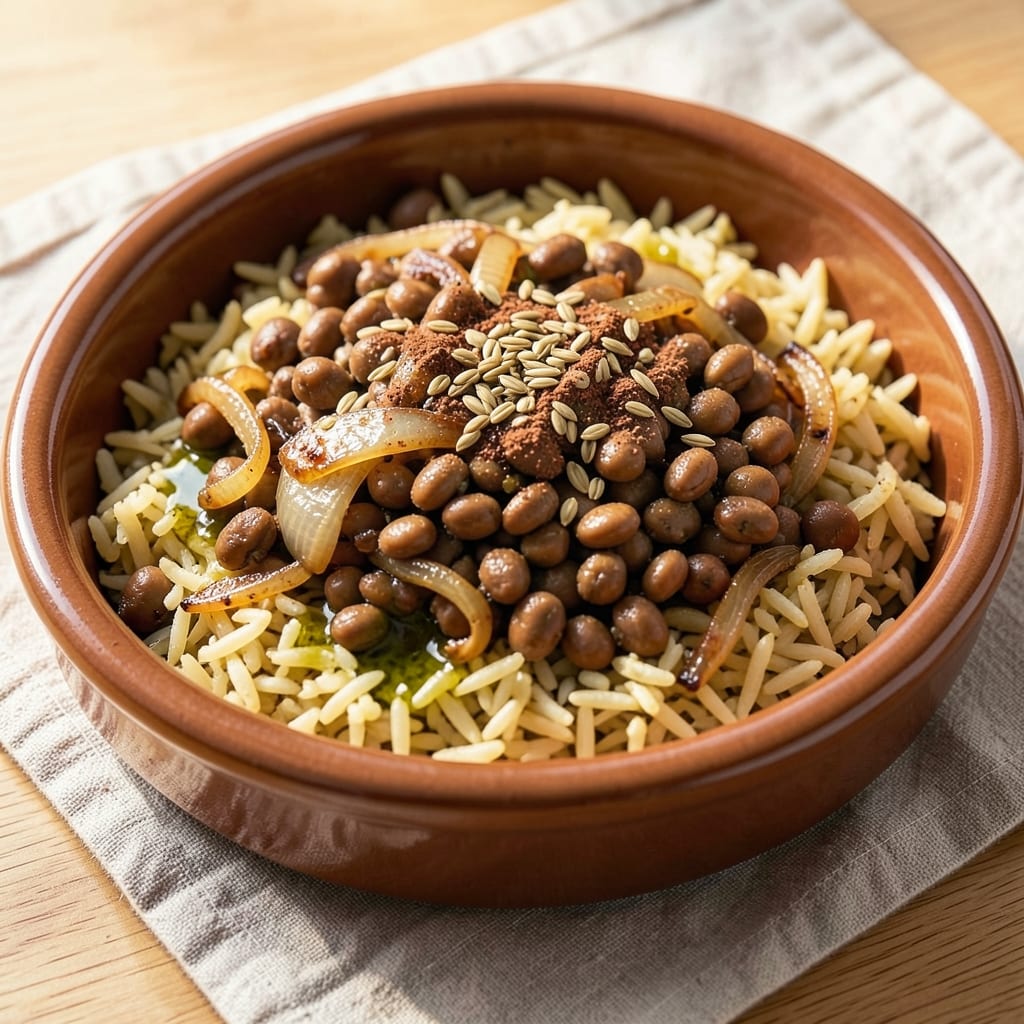
This Arabic lentil rice recipe delivers the aromatic depth of Middle Eastern cuisine in a single, fragrant pot. The secret lies in toasting whole spices—cumin, cinnamon, and allspice—until their oils infuse the dish with warm, earthy notes. I developed this one-pot method after years of testing, ensuring the lentils stay tender while the rice absorbs every layer of flavor without drying out.
The dish begins with a 30-minute soak for the lentils, which transforms them into creamy, melt-in-your-mouth bites that hold their shape. As the rice cooks, the spices release their aroma, filling your kitchen with the same comforting scent you’d find in a bustling Arabic market. Toasted cumin seeds add a crunchy texture that contrasts beautifully with the soft lentils and fluffy grains.
What makes this recipe special is its versatility—serve it as a vegan main with warm flatbread for dipping, or pair it with grilled meats for a hearty mixed plate. The dish reheats perfectly, making it ideal for meal prep, and the flavors deepen overnight, rewarding your patience. Each bite balances earthy lentils, nutty spices, and the bright tang of lemon, creating harmony in every spoonful.
For an extra touch, garnish with fresh parsley and a squeeze of lemon before serving. The contrast of bright green herbs against the golden-brown rice elevates the dish to restaurant-quality, proving that one-pot meals can be both simple and sophisticated. Let’s bring this aromatic tradition to your table.
Ingredients for arabic lentil rice
Pantry staples plus a few specialty spices—this one-pot wonder delivers restaurant-quality flavor.
| Ingredient | Amount | Notes |
|---|---|---|
| Brown Lentils 🌾 | 1 ½ cups | Rinsed thoroughly before soaking |
| Long-Grain Basmati Rice 🍚 | 1 cup | Uncooked, rinsed well |
| Whole Cumin Seeds 🌿 | 1 ½ tbsp | Toasted until fragrant |
| Ground Cinnamon 🌶️ | ½ tsp | Freshly ground preferred |
| Ground Allspice 🌶️ | ¼ tsp | For warm depth |
| Onion 🧅 | 1 whole | Medium, finely diced |
| Garlic Cloves 🧄 | 4 cloves | Minced finely |
| Extra-Virgin Olive Oil 🫒 | ½ cup | For toasting spices |
| Vegetable Broth 💧 | 2 ½ cups | Low-sodium preferred |
| Lemon Juice 🍋 | 2 tbsp | Freshly squeezed |
| Fresh Parsley 🌿 | ¼ cup | Chopped for garnish |
| Salt 🧂 | 1 tsp | Kosher or sea salt |
| Black Pepper 🌶️ | ½ tsp | Freshly ground |
| Fresh Lemon Zest 🍋 | 1 tsp | For bright finish |
The spices are where the magic happens. Whole cumin seeds toast until fragrant—this is non-negotiable for that nutty crunch. I grab mine from Penzeys Spices or the bulk section at Whole Foods, but the regular grocery store stuff works if it's fresh. For allspice, Trader Joe's has a great ground version, but if you've got whole pods, toast and grind them yourself. The brown lentils? French or Puy lentils hold their shape better, but brown works fine here. Soak them for 30 minutes—this makes all the difference for that creamy texture.
No whole cumin seeds? Ground cumin at double the amount works in a pinch, but you'll lose that toasty crunch. Fresh parsley wilting? Dried parsley at one-third the amount adds color and brightness. Short on vegetable broth? Water plus 1 tbsp soy sauce gives depth. The lemon juice can be swapped for apple cider vinegar if you're out, but fresh lemon is ideal. For the rice, jasmine rice works too—just adjust the cooking time slightly. And if you're feeling fancy, swap the basmati for saffron-infused rice—just a pinch of saffron threads in the broth transforms the dish.
This keeps beautifully in the fridge for 5 days, with flavors deepening overnight—trust me on that. Freeze portions for 3 months by storing in airtight containers. I always make a double batch because it reheats like a dream. Garnish with fresh parsley and lemon zest right before serving—that bright contrast is what makes it restaurant-worthy. The dish tastes even better the next day, so plan ahead if you can. Store with a tight lid to keep the spices aromatic.
Why You'll Love This Recipe
- One-Pot Magic: I swear by this—just toss everything in one pot, stir once, and walk away. The lentils soften while the basmati absorbs the warm cumin and cinnamon aroma, turning into a fragrant, cohesive dish with zero fuss.
- Warm Spice Hug: That first bite? Pure comfort. The toasted cumin seeds crackle like tiny embers, while the allspice and cinnamon weave together in a way that tastes like a hug from your favorite spice market. Honestly, I’ll take this over takeout any day.
- Lunchbox Legend: Between us, this is my go-to for packed lunches—keeps for days in the fridge without getting soggy. The lentils hold their shape, the rice stays fluffy, and the spices keep it tasting fresh, even reheated. (Yes, even on a Tuesday night.)
- Budget Powerhouse: Brown lentils and basmati rice are my wallet’s best friends—this feeds four for under $5 and still feels special. Plus, the leftovers? Even better the next day, when the flavors deepen like a well-aged secret. Not the prettiest, but the taste makes up for it.
Step-by-step instructions for Arabic lentil rice
This one-pot wonder delivers fragrant, spiced lentil rice with a toasted cumin crunch you'll crave.
Toast the Cumin Seeds and Aromatics
Heat the 0.5 cup extra-virgin olive oil in a large, heavy-bottomed pot over medium heat. Add the 1.5 tablespoons whole cumin seeds and toast them for 1-2 minutes until they release their aroma and turn golden brown. You'll smell that warm, earthy cumin scent—this is your signal to move fast.
Next, add the finely diced onion and cook for 5-6 minutes until softened and translucent. Stir in the minced garlic cloves and cook for another 30 seconds until fragrant. The garlic should smell pungent but not burnt—this is the aromatic base that carries the entire dish. Keep the heat at medium throughout this step to prevent burning.
Add Spices and Grains
Reduce the heat to low and stir in the 0.5 teaspoon ground cinnamon, 0.25 teaspoon ground allspice, 1 teaspoon salt, and 0.5 teaspoon black pepper. Toast these spices for 30 seconds to deepen their flavors—you'll see them dance in the oil, releasing their warm, earthy notes. This step is crucial for building the complex spice profile that defines this dish.
Add the 1.5 cups rinsed brown lentils and 1 cup rinsed long-grain basmati rice, stirring to coat them evenly in the spiced oil. The grains should absorb the aromatic oils and spices completely. Cook for 2 minutes on low heat, stirring occasionally, until the lentils and rice turn slightly translucent at the edges. This ensures they absorb maximum flavor before the liquid is added.
Simmer the One-Pot Mixture
Pour in the 2.5 cups vegetable broth and bring the mixture to a gentle boil. Once boiling, reduce the heat to low and cover the pot with a tight-fitting lid. Let it simmer for 25-30 minutes—this is where the magic happens. You'll see the liquid slowly reduce as the lentils and rice absorb it, creating a thick, hearty texture.
After 20 minutes, check for doneness by tasting a lentil—it should be tender but still hold its shape. If it's still firm, continue cooking for another 5-10 minutes. The rice should be cooked through but still have a slight bite. Avoid stirring too much during this time—gentle simmering ensures even cooking and prevents the grains from breaking apart.
Finish with Lemon and Fresh Herbs
Once the lentils and rice are tender, remove the pot from heat and let it sit covered for 5 minutes. This resting period allows the flavors to meld and the grains to finish absorbing any remaining liquid. After resting, stir in the 2 tablespoons lemon juice and 1 teaspoon fresh lemon zest. The bright acidity cuts through the richness of the spices, balancing the dish beautifully.
Finally, fold in the 0.25 cup chopped fresh parsley and give everything a gentle stir. The parsley adds a fresh, vibrant note that brightens the dish. Taste and adjust the seasoning if needed—you might want a touch more salt or a splash of lemon juice to suit your preference. The dish should be fragrant, spiced, and perfectly balanced.
Rest and Serve
Let the lentil rice sit covered for another 5 minutes before serving. This final rest ensures the grains are fully tender and the flavors are harmonized. Serve it warm, straight from the pot, and watch as everyone reaches for seconds. The toasted cumin crunch from the initial toasting adds texture, while the lemon zest and parsley bring freshness to each bite.
This one-pot dish is perfect for meal prep—it tastes even better the next day as the flavors deepen. Pair it with grilled meats, roasted vegetables, or serve it as a hearty vegetarian main with crusty bread. The simplicity of the method belies the depth of flavor, making it a go-to recipe for any occasion.
Pro Tips For Making Arabic Lentil Rice
- TOAST THE SPICES FIRST: I learned this the hard way—skipping the toasting step means your cumin and allspice will just sit there, flavorless. Dry-toast the whole cumin seeds in your pot over medium heat for 30 seconds until they darken slightly and smell like a spice market. Grind them fresh afterward (or use pre-ground) but never skip the toasting—it’s what unlocks their aroma in this dish.
- RINSE LENTILS UNTIL WATER RUNS CLEAR: Brown lentils hold onto dirt and bitterness like it’s their job. Give them a good 30-second swirl under cold water in a fine-mesh strainer, repeating until the water runs nearly transparent. Trust me, you’ll taste the difference—no one wants a meal where the lentils steal the show for all the wrong reasons.
- COOK RICE AND LENTILS SEPARATELY: I used to toss them in together like a lazy multitasker, and the rice always came out mushy while the lentils stayed firm. Instead, cook the lentils first in the same pot (with their spices) until tender, then drain and set aside. Only then add the rice and fresh water—this keeps the texture perfect, with each ingredient doing its own thing.
- USE TWICE THE WATER FOR RICE: Arabic rice isn’t about sticky clumps—it’s about fluffy, distinct grains. For every cup of basmati, use 2 cups of water (not the usual 1.5). The extra liquid ensures the rice absorbs just enough moisture without turning into glue, especially when mixed with the lentils later. Yes, it sounds counterintuitive, but it works every time.
Essential equipment for this recipe
Heavy-Bottomed Pot
Your essential tool for this dish is a large, heavy-bottomed pot—I use my Le Creuset Dutch oven for even heat distribution. A pot with a 3-4 quart capacity ensures enough room for the lentils and rice to cook without overflowing. The heavy base prevents scorching when toasting the cumin seeds and aromatics, which is critical for building flavor. If you don’t have a Dutch oven, a stainless steel pot with a tight-fitting lid works just as well. 🔥
Tight-Fitting Lid
A snug-fitting lid is non-negotiable for trapping steam and cooking the lentils and rice evenly. I prefer glass lids (like those on Le Creuset) because they let you peek at the progress without losing heat. If your lid isn’t airtight, wrap the edges with aluminum foil to seal any gaps. This ensures the dish cooks through without drying out, especially during the 25-30 minute simmer.
Wooden Spoon
A long-handled wooden spoon is perfect for stirring the spices and grains without scratching your pot. Wood distributes heat evenly and prevents the spices from burning at the bottom. I keep a sturdy, heat-resistant spoon (like my OXO Good Grips) nearby for scraping up any stuck-on bits during the toasting phase. Avoid metal spoons—they can react with the spices and alter the flavor. ✨
Fine-Mesh Strainer
Rinsing the lentils and rice thoroughly before cooking removes debris and excess starch, which can make the dish gummy. A fine-mesh strainer (like the OXO Good Grips) works best for this task. I rinse the lentils under cold water until the water runs clear, then soak them for 30 minutes to soften them slightly. For the rice, a quick rinse removes surface starch, helping it cook up fluffy rather than sticky. 🌾
Timer and Thermometer
While not strictly necessary, a kitchen timer ensures you don’t overcook the lentils and rice. Set it for 20 minutes to check doneness, then adjust as needed. If you’re new to one-pot cooking, a meat thermometer (like the ThermoWorks Smoke) can help gauge the internal temperature of the lentils—aim for 185-190°F for perfect tenderness. This tool is especially useful if you’re cooking for a crowd and want to avoid guesswork. 🌡️
Optional: Spice Toasting Tool
For an extra layer of control, a small cast-iron skillet or spice toaster lets you toast the cumin seeds separately before adding them to the pot. This method enhances their nutty aroma without risking burning. I use my Lodge cast-iron skillet on low heat, stirring constantly for 1-2 minutes until the seeds turn golden. If you don’t have a separate skillet, toasting them directly in the pot works—just keep a close eye on them! 🌿
Nutrition facts
Frequently asked questions
Why do I need to soak the lentils for 30 minutes?
Soaking reduces cooking time and prevents the lentils from becoming mushy. The 30-minute soak softens them just enough to cook through in the 25-30 minute simmer while keeping their shape. Skipping this step can result in overly soft lentils that turn the dish into a thick stew rather than a harmonious lentil-rice blend.
Can I substitute basmati rice for another type?
Yes! Jasmine rice works well—just reduce the cooking time by 2-3 minutes since it cooks faster. For a nuttier flavor, try wild rice blend, but increase the liquid by 0.25 cup and cook for 35-40 minutes. Avoid long-grain white rice, as it absorbs liquid too quickly and can dry out.
How do I adjust the spice level for sensitive eaters?
Start by reducing the ground cinnamon and allspice to 0.25 teaspoon each and omit the whole cumin seeds (use 0.5 tablespoon ground cumin instead). For warmth without heat, add 0.5 teaspoon mild paprika and 0.25 teaspoon cardamom. Always taste before serving—you can add more lemon juice to brighten the flavors if needed.
What if my lentil rice turns out too dry?
If the mixture seems dry, stir in 2-3 tablespoons warm vegetable broth and cover for 5-10 minutes to steam. Avoid adding cold liquid, as it can shock the grains. For next time, use 2.75 cups broth instead of 2.5 cups to give yourself a buffer. The key is a gentle simmer—never boil vigorously after adding the liquid.
Can I make this dish ahead of time?
This dish tastes even better the next day as the flavors deepen. Store in an airtight container in the fridge for up to 5 days or freeze for 3 months. Reheat gently on the stove with 1-2 tablespoons broth to restore moisture. For serving, a quick stir with fresh lemon juice revives the bright, tangy notes.