
Main Courses
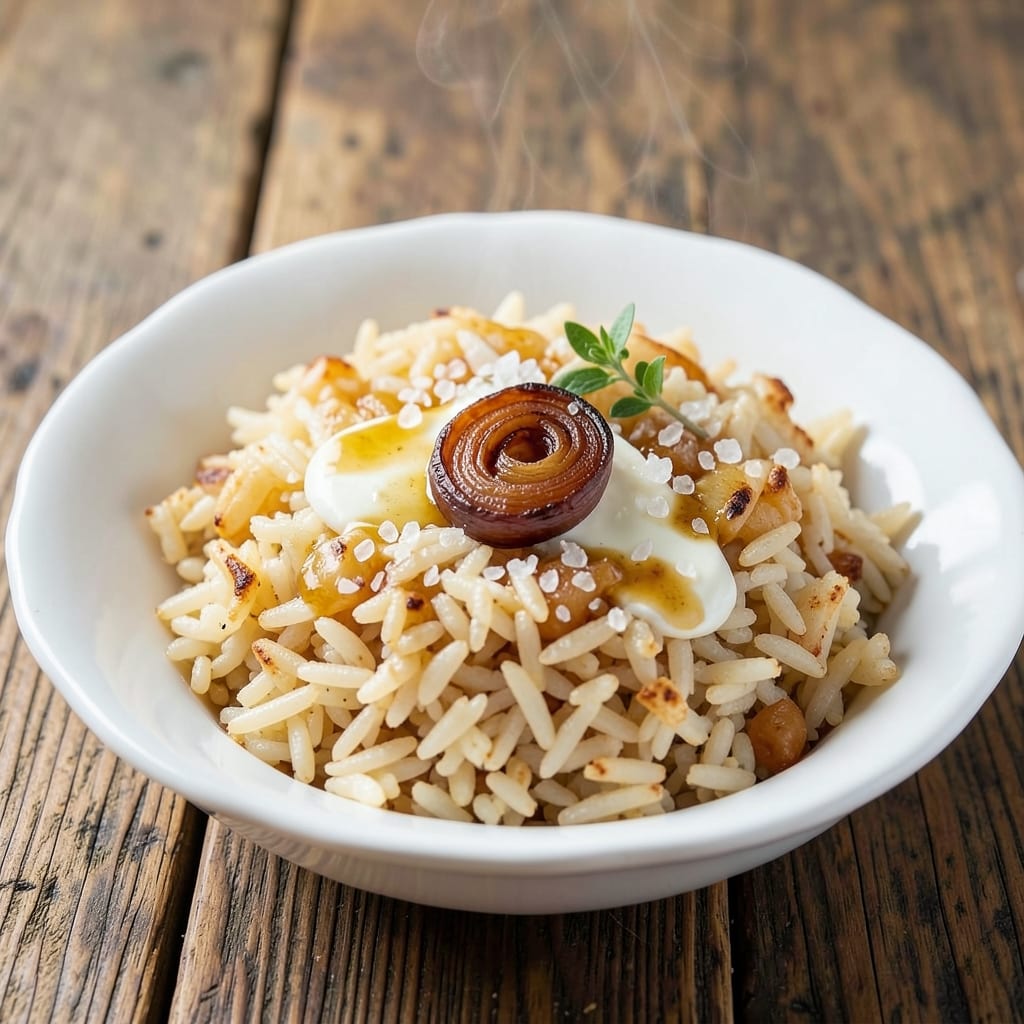
Apple cider vinegar transforms ordinary rice into a vibrant, tangy side dish that steals the show at any meal. This recipe balances bright acidity with savory depth, creating perfectly fluffy grains with a subtle zing that pairs beautifully with proteins and vegetables. The secret lies in infusing the rice with apple cider vinegar during cooking, which enhances texture and flavor without overpowering the dish.
What sets this method apart is the simplicity—just a few key ingredients and a single pot. The vinegar not only brightens the rice but also tenderizes it, resulting in grains that stay separate and fragrant. Ideal for weeknight dinners or special occasions, this recipe delivers restaurant-quality results in under 30 minutes with minimal effort. The aroma alone will have everyone at the table asking what’s for dinner.
By the time you serve this dish, you’ll have perfectly cooked rice with a delicate tang that complements any main course. The grains remain light and fluffy, with just enough bite to hold up to hearty meals. Whether paired with grilled chicken, roasted vegetables, or fresh salads, this apple cider vinegar rice adds a sophisticated touch that elevates everyday dining.
For extra flair, finish with a sprinkle of toasted sesame seeds or fresh herbs. The versatility of this recipe makes it perfect for meal prep or last-minute gatherings—just adjust the seasoning to suit your taste. Ready to transform your rice game? Let’s get started.
Ingredients for apple cider vinegar rice
Four simple ingredients transform basic rice into a tangy, aromatic side dish that steals the show.
| Ingredient | Amount | Notes |
|---|---|---|
| Long-Grain White Rice 🍚 | 1 cup | Uncooked, any variety |
| Apple Cider Vinegar 🍎 | ½ cup | Raw, unfiltered preferred |
| Water 💧 | 2 cups | Room temperature preferred |
| Salt 🧂 | 1 tsp | Kosher or sea salt |
| Butter 🧈 | 2 tbsp | Unsalted, for richness |
| Shallot 🧅 | 1 whole | Minced, for depth |
| Garlic Cloves 🧄 | 2 cloves | Minced, aromatic base |
| Fresh Parsley 🌿 | ¼ cup | Chopped, for garnish |
| Toasted Sesame Seeds 🌾 | 1 tbsp | Optional, for texture |
| Black Pepper 🌶️ | ¼ tsp | Freshly ground |
The apple cider vinegar is non-negotiable here—it's what gives this rice its signature zing. Bragg is my go-to brand for its rich, unfiltered quality, but any raw, organic variety works. The shallot and garlic are your flavor anchors, so don't skip mincing them finely. If you're short on time, jarred minced shallots from Trader Joe's save steps without sacrificing flavor. For the rice, any long-grain variety keeps its shape beautifully, but jasmine or basmati add an extra layer of aroma that pairs perfectly with the vinegar's brightness.
No apple cider vinegar? White wine vinegar or lemon juice in a pinch, but the flavor will be subtly different. Fresh herbs can't be beat, but dried parsley at half the amount works if you're in a bind. The butter adds richness that balances the vinegar's acidity—don't skip it. For extra depth, toast the sesame seeds in a dry pan for 30 seconds until fragrant. If you're prepping ahead, cook the rice without the butter and vinegar, then finish it with those ingredients right before serving to keep the grains bright and separate.
This rice keeps beautifully—store it in an airtight container for up to 4 days in the fridge. The flavor actually improves overnight as the vinegar's acidity melds with the grains. For meal prep, portion into containers with a sprinkle of sesame seeds on top—they stay fresh for 3 days. If reheating, add a splash of water or broth to restore moisture. The vinegar-infused rice pairs perfectly with grilled meats, roasted vegetables, or fresh salads, making it a versatile side for any meal.
Why You'll Love This Recipe
- Tangy Twist in Minutes: I swear by this recipe when I’m starving but short on time—just rinse the rice, simmer with vinegar, and let it sit. No fancy techniques, no waiting for hours. That bright, tangy kick from the apple cider vinegar happens in one pot while I chop veggies for dinner.
- Secretly Rich Flavor: Honestly, the vinegar might sound weird at first, but trust me—it’s the star. A splash of butter at the end turns it creamy and satisfying, like a buttery rice but with a zingy surprise. My kids ask for it by name now, and they’re not even picky eaters.
- Lunchbox Hero: This rice keeps perfectly for days, so I make a big batch on Sundays. Pack it cold with grilled chicken or roasted veggies, and it stays fresh until Friday. No soggy rice here—just a solid, flavorful side that’s always a hit.
- Pantry Staple Power: Between us, this is my budget-friendly secret weapon. Rice, vinegar, butter—ingredients I already have. It’s the kind of dish that makes me feel like I’m cooking a gourmet meal without spending extra. Plus, leftovers reheat like a dream.
Step-by-step instructions for apple cider vinegar rice
This bright, tangy rice transforms ordinary meals into something extraordinary with minimal effort.
Toast the Rice for Depth of Flavor
Heat a medium saucepan over medium-high heat and add the 1 cup of long-grain white rice. Toast the grains for 2-3 minutes, stirring constantly, until they turn a light golden color and begin to smell nutty. This step develops the rice's natural starches and creates a subtle toasted flavor that pairs beautifully with the apple cider vinegar.
Watch the rice carefully—it should be moving constantly in the pan. If it starts to brown too quickly, reduce the heat slightly. Once toasted, remove the pan from heat and set aside. This brief toasting prevents the rice from becoming mushy and gives it a delightful texture contrast to the tangy vinegar.
Sauté Shallots and Garlic
In the same saucepan, melt the 2 tablespoons of butter over medium heat. Add the 1 minced shallot and 2 minced garlic cloves, cooking for 2-3 minutes until the shallots become translucent and the garlic releases its fragrant aroma. The butter should foam slightly but not brown—this ensures a sweet, mellow flavor rather than bitterness.
Here's the thing—don't rush this step. The shallots and garlic form the aromatic base for the rice, and proper cooking ensures they don't overpower the dish. If the butter starts to brown too quickly, reduce the heat to medium-low and let it cook gently. You'll know it's ready when the garlic smells intensely aromatic and the shallots are soft but still vibrant in color.
Combine Rice with Vinegar and Liquid
Return the toasted rice to the saucepan with the sautéed aromatics. Pour in the 0.5 cup of apple cider vinegar and 2 cups of water, stirring gently to combine. Add the 1 teaspoon of salt and 0.25 teaspoon of black pepper, then bring the mixture to a boil over medium-high heat. Once boiling, reduce the heat to low, cover the saucepan with a tight-fitting lid, and let it simmer for 15 minutes.
This is where the magic happens—the vinegar's acidity works with the rice's starches to create a bright, tangy flavor profile. Don't peek or stir during this time—it disrupts the cooking process and can lead to uneven texture. The rice should absorb all the liquid by the end of the simmering time, leaving you with perfectly fluffy grains.
Rest and Garnish
Once the rice is fully cooked, remove it from heat and let it rest, covered, for 5 minutes. This resting period allows the steam to redistribute evenly, ensuring each grain is perfectly tender. After resting, fluff the rice gently with a fork, then stir in the 0.25 cup of chopped fresh parsley and 1 tablespoon of toasted sesame seeds (if using). The parsley adds a fresh brightness, while the sesame seeds contribute a subtle nutty crunch.
Serve immediately while the rice is still warm. The combination of tangy vinegar, aromatic shallots and garlic, and the buttery richness creates a rice dish that stands out in any meal. It pairs beautifully with grilled meats, roasted vegetables, or even as a standalone side dish. The secret to this recipe is balancing the acidity of the vinegar with the richness of the butter, resulting in a dish that's both simple and sophisticated.
Pro Tips For Making Apple Cider Vinegar Rice
- USE COLD VINEGAR: Pour the apple cider vinegar into the pot before adding boiling water—this prevents the rice from absorbing it too quickly and turning sour. I learned this the hard way after a batch tasted like a science experiment gone wrong.
- RINSE THE RICE WELL: Swirl the rice in a fine-mesh strainer under cold water until the water runs clear—this removes excess starch and keeps the grains separate. Skimp here, and you’ll end up with gluey rice that clumps like regret.
- STIR ONCE AFTER BOILING: Give the pot one gentle stir right after the water returns to a boil, then stop touching it. Over-stirring releases starch and turns your rice into a mushy pudding. Let it sit—it’ll settle perfectly on its own.
- SWIRL IN THE BUTTER: Once the rice is cooked, tilt the pot and swirl in the butter along the sides so it coats every grain evenly. Dumping it in just melts it into a greasy pool at the bottom—no one wants that.
Troubleshooting this recipe
Vinegar Overpowering?
If your rice tastes too sharp, reduce the apple cider vinegar to ¼ cup next time and add 1 tbsp lemon juice for brightness. The key is balance—start with ½ cup and taste before serving. Overpowering happens when vinegar isn’t properly integrated; simmering uncovered for 2 minutes after adding liquid helps mellow the acidity. 💡
Mushy Rice Texture
Mushy rice usually means too much liquid or insufficient toasting. First, rinse the rice before cooking to remove excess starch. Second, toast the rice longer—aim for 3-4 minutes until it’s golden. If using a heavy pot, reduce water by ¼ cup (try 1¾ cups instead of 2). Always use a tight-fitting lid to trap steam properly. ❄️
Rice Sticking Together
Clumpy rice often means stirring too soon or insufficient butter. After simmering, let the rice rest covered for 10 minutes (not just 5). Use a wooden spoon to gently fluff—metal spoons can break grains. Add 1 extra tbsp butter at the end for extra moisture. If it’s still sticky, fold in 1 tbsp toasted sesame seeds to absorb excess starch. 🌾
Undercooked Grains
Check your heat—low simmer is critical. If rice is still firm after 15 minutes, add 2 tbsp hot water, cover, and cook 5 more minutes. Avoid peeking! If using a high-altitude area, increase water by 2 tbsp and simmer 2 extra minutes. A meat thermometer helps—rice is done at 205°F internally. 🌡️
Burnt Butter Flavor
Burnt butter ruins the dish. Keep heat at medium when sautéing aromatics—never high. If butter browns too fast, remove the pan for 30 seconds and let it cool slightly. For extra safety, use clarified butter (ghee) which has a higher smoke point. Always use unsalted butter to control seasoning. 🧈
Vinegar Smell Lingers
Raw vinegar aroma means it didn’t cook off enough. Simmer uncovered for 2 extra minutes after adding vinegar to let alcohol evaporate. For stronger flavor without smell, use apple cider vinegar with the "mother"—it’s milder. If needed, add ½ tsp sugar to balance acidity. 🍎
Nutrition facts
Frequently asked questions
Can I use other types of vinegar?
Apple cider vinegar is ideal for its balanced tang and subtle sweetness, but you can substitute with white wine vinegar or rice vinegar in a pinch. For a milder flavor, reduce to ¼ cup and add ½ tsp sugar to balance acidity. Avoid balsamic vinegar—its sweetness overpowers the dish.
How do I make this rice less acidic?
To soften the tang, reduce the apple cider vinegar to ¼ cup and add 1 tbsp lemon juice or ½ tsp sugar at the end. Simmering uncovered for 2 extra minutes after adding liquid also helps mellow the acidity. For extra richness, fold in 1 extra tbsp butter after cooking.
Can I cook this rice in an Instant Pot?
Yes! Use the same ingredients but reduce water to 1 cup and cook on high pressure for 4 minutes. Quick-release the pressure, then let it sit covered for 5 minutes before fluffing. Add vinegar and aromatics during the sauté step as usual. The Instant Pot version cooks in 10 minutes total!
What's the best way to store leftovers?
Store in an airtight container for up to 4 days in the fridge. The flavor actually improves overnight as the vinegar melds with the rice. For meal prep, portion into containers with sesame seeds on top—they stay fresh for 3 days. Reheat with a splash of water or broth to restore moisture.
Why does my rice turn out sticky?
Sticky rice usually means too much liquid or insufficient toasting. First, rinse the rice before cooking to remove excess starch. Second, toast the rice longer (aim for 3-4 minutes until golden). If using a heavy pot, reduce water by ¼ cup. Always use a tight-fitting lid to trap steam properly.