
Main Courses
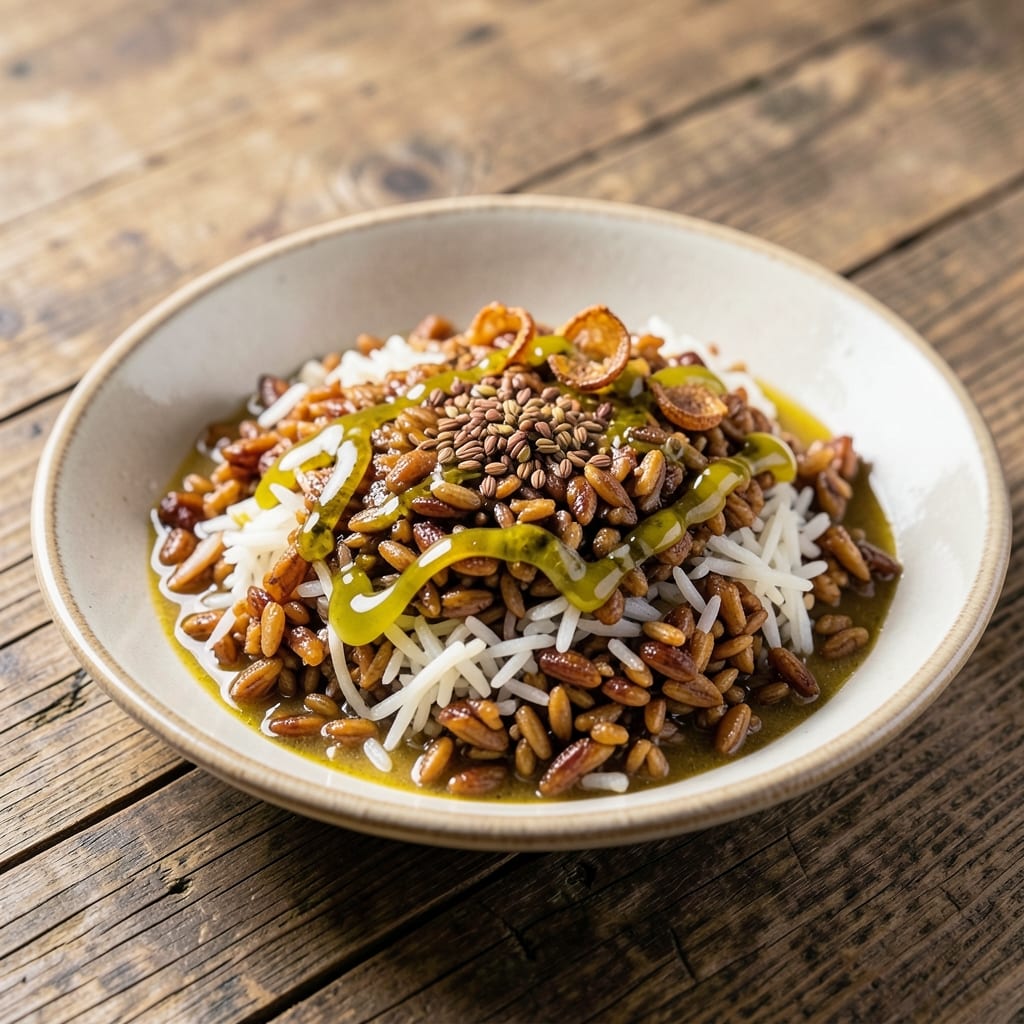
Amaranth rice transforms ordinary meals into nutrient-packed power bowls that balance earthy depth with satisfying texture. This recipe combines amaranth's protein-rich, gluten-free goodness with fluffy rice for a dish that's as wholesome as it is flavorful. The secret lies in toasting the grains to unlock their nutty aroma before simmering them together into a cohesive, hearty base.
What sets this dish apart is its versatility—serve it as a standalone bowl with roasted vegetables, or use it as a foundation for Buddha bowls and grain salads. The toasted cumin crunch adds a smoky contrast that elevates every bite, while the amaranth's natural chewiness prevents the rice from becoming mushy. It's a complete protein dish that's naturally vegan, gluten-free, and packed with minerals.
The cooking process is straightforward but requires patience: soaking the amaranth first ensures even cooking, while simmering both grains together creates a harmonious texture. The result is a fragrant, golden-brown grain medley with a satisfying bite—perfect for meal preppers or anyone seeking a nutritious, restaurant-quality side dish.
This recipe works equally well as a side for roasted meats, a base for stir-fries, or as a standalone grain bowl with your favorite toppings. Let's create a dish that's as nourishing as it is delicious—one that proves healthy eating can be deeply satisfying.
Ingredients for amaranth rice
Nine simple ingredients transform into a nutty, earthy grain bowl that's packed with protein and texture.
| Ingredient | Amount | Notes |
|---|---|---|
| Amaranth Grains 🌾 | 1 cup | Rinsed thoroughly before use |
| White Basmati Rice 🍚 | 1 ½ cups | Long-grain preferred |
| Ground Cumin Seeds 🌿 | 1 tbsp | Toasted for enhanced aroma |
| Extra-Virgin Olive Oil 🫒 | 2 tbsp | High-quality for flavor |
| Vegetable Broth 💧 | 2 ½ cups | Low-sodium preferred |
| Fresh Lemon Juice 🍋 | 1 tbsp | Brightens the dish |
| Sea Salt 🧂 | 1 ½ tsp | Diamond Crystal preferred |
| Black Peppercorns 🌶️ | ½ tsp | Freshly cracked |
| Fresh Parsley 🌿 | ¼ cup | Chopped for garnish |
| Fresh Cilantro 🌿 | ¼ cup | Chopped for garnish |
| Avocado Oil 🫒 | 1 tbsp | For final drizzle |
| Toasted Sesame Seeds 🌰 | 1 tsp | Optional for crunch |
Amaranth is the star here—look for organic amaranth grains at specialty stores or bulk bins for the best quality. The white basmati rice should be long-grain to prevent mushiness, and Trader Joe's or Whole Foods carry good options. Toasting the cumin seeds in the olive oil first unlocks their deep, earthy flavor—don't skip this step, trust me. If you can't find whole cumin seeds, ground cumin works in a pinch, but toasting it briefly in a dry pan first helps. The vegetable broth should be low-sodium; Pacific Foods or homemade works best.
No amaranth? Quinoa or buckwheat adds a similar nutty texture, though the protein profile changes. Short on olive oil? Avocado oil or coconut oil works just as well for toasting. The lemon juice can be swapped for lime if you prefer, but fresh is always better. Prefer less heat? Skip the black peppercorns and use white pepper instead. For garnish, fresh herbs are ideal, but dried oregano at half the amount works in a bind. The sesame seeds are totally optional but add that extra crunch—Trader Joe's has them pre-toasted for convenience.
This dish keeps beautifully in the fridge for 4-5 days in an airtight container, making it perfect for meal prep. The amaranth and rice actually taste better the next day as flavors meld. For freezing, portion into individual containers—3 months max. Reheat gently with a splash of water or broth to restore moisture. I always make double batches; one for dinner and one for lunches the next week. The toasted cumin seeds stay potent for 6 months in a sealed jar, so buy extra if you love this flavor.
Why You'll Love This Recipe
- I’ll be real: amaranth isn’t cheap, but this recipe stretches it. A single batch feeds four, and the basmati and broth keep costs low. Plus, the cumin’s warmth makes it feel like a fancy dish without the fancy price tag. I’ve made it on a $5 grocery run—just don’t skimp on the olive oil, okay? That’s non-negotiable.
- One-Pot Magic: I swear by this recipe when I’m too tired to wash pots. Just toss the amaranth, basmati, cumin, and broth into one pot, let it simmer—no stirring, no fuss—and you’ve got a fragrant, nutty base that’s ready in 25 minutes. The amaranth puffs up like little popcorn kernels while the rice stays fluffy, and that earthy cumin aroma fills the kitchen like a warm hug.
- Earthy Nutty Crunch: Honestly, the flavor combo is what keeps me coming back. The amaranth adds a satisfying chew and a toasty depth, while the basmati keeps it light. A splash of olive oil at the end? That’s where it gets good—rich, slightly smoky, and just salty enough to make every bite feel intentional. It’s the kind of dish that tastes better the second day, if you can wait that long.
- Lunchbox Hero: Between us, this is my go-to for meal prep. Pack it in jars for work lunches—it holds up perfectly for 4 days—and the texture stays just right: no mush, no dry spots. My kids actually eat it cold (yes, really), and I’ve even served it at potlucks as a side that disappears faster than the garlic bread. It’s that good.
Step-by-step instructions for nutty earthy grain bowl
Here's how to transform amaranth and basmati rice into a fragrant, textured masterpiece with layers of toasted cumin and bright citrus.
Toast the Grains for Maximum Flavor
Heat a heavy-bottomed pot over medium-high heat and add the 1 cup amaranth grains and 1.5 cups white basmati rice together. Toast them for 3-4 minutes, stirring constantly, until they begin to smell nutty and aromatic. This step develops the grains' natural flavors and prevents mushiness.
The amaranth will puff slightly and the rice will turn a deeper golden color. Watch closely—if they start to brown too quickly, reduce the heat to medium. Once they're fragrant and just beginning to color, immediately add the 1 tablespoon toasted ground cumin seeds and stir for another 30 seconds to distribute the cumin's warm, earthy notes throughout the grains.
Cook the Grains with Broth and Aromatics
Pour in the 2.5 cups vegetable broth and bring the mixture to a gentle boil. Once boiling, reduce heat to low and cover the pot with a tight-fitting lid. Let it simmer for 25-30 minutes, without peeking, until all the liquid has been absorbed and the grains are tender.
Here's the thing—amaranth has a unique texture that needs patience. You'll know it's done when the grains are plump and the amaranth has that signature pop when bitten. If the top seems dry before the grains are fully cooked, add 1-2 tablespoons water and continue cooking. The rice should be tender but still have a slight bite.
Finish with Bright Citrus and Herbs
Once the grains are perfectly cooked, remove the pot from heat and let it sit covered for 5 minutes. This resting period allows any residual steam to finish cooking the grains. Then, fluff the mixture with a fork and stir in the 1 tablespoon fresh lemon juice, 1.5 teaspoons sea salt, and 0.5 teaspoon freshly cracked black peppercorns.
The lemon juice brightens the earthy flavors while the salt and pepper enhance the grains' natural nuttiness. Taste and adjust seasoning if needed—this is your chance to balance the dish before serving. The mixture should be vibrant and well-seasoned, with the lemon cutting through the richness of the grains.
Garnish and Serve with Crunch
Transfer the warm grain mixture to a serving bowl and drizzle generously with 1 tablespoon avocado oil. This adds a silky finish and helps distribute the flavors. Then, sprinkle evenly with the 0.25 cup chopped fresh parsley and 0.25 cup chopped fresh cilantro for a fresh, herbal contrast.
For that final touch of texture, scatter the 1 teaspoon toasted sesame seeds over the top. The seeds add a subtle crunch that balances the soft grains. Serve immediately while the grains are still warm and the aromatics are at their peak. This dish tastes even better the next day, but the texture is ideal when fresh.
Pro Tips For Making Amaranth Rice
- Toast the Amaranth First: I learned this the hard way—skipping the toasting step means your amaranth will stay bland and chewy. Dry-toast the grains in olive oil over medium-high heat until they’re golden and pop like popcorn (about 5 minutes), then add the rice. This nuttiness carries through the whole dish.
- Use Two Pots: Amaranth and basmati cook at wildly different speeds, so combine them in the same pot and you’ll end up with either mushy rice or raw amaranth. Cook the amaranth separately in broth (1:3 ratio) for 20 minutes, then mix it with the basmati when the rice is just done—this keeps textures distinct.
- Bloom the Cumin: Ground cumin loses its punch when toasted directly, so heat the olive oil first, then turn off the heat and stir in the cumin for 30 seconds. This releases its aroma without burning it—your future self will notice the difference when that earthy depth hits your tongue.
- Salt the Broth: Unsalted vegetable broth is a flavor trap. Taste the broth before adding it to the rice and adjust the salt—aim for a finish that’s slightly briny, not bland. Amaranth soaks up liquid like a sponge, so undersalting here means a dull, lifeless dish by the end.
Health benefits of these flavors
Complete Plant Protein
Amaranth is a complete protein, meaning it contains all nine essential amino acids your body can't produce. Combined with rice, this dish provides a perfect protein balance that's especially valuable for vegans or anyone reducing meat intake. A 1-cup serving delivers about 14 grams of protein—more than many animal-based grains. 💪
Gluten-Free Powerhouse
Both amaranth and rice are naturally gluten-free, making this dish ideal for those with celiac disease or gluten sensitivity. The amaranth's high lysine content complements the rice's methionine, creating a protein profile that rivals many animal products. I've served this to friends with gluten issues, and they always comment on how satisfying it is.
Mineral-Rich Nutrition
This dish is packed with essential minerals. Amaranth is particularly high in magnesium (supports muscle function) and iron (boosts energy), while rice provides manganese (aids metabolism). The cumin seeds add calcium and zinc, creating a mineral profile that's harder to find in single-grain dishes. The lemon juice enhances iron absorption from the amaranth.
Low Glycemic Index
The combination of amaranth and basmati rice creates a dish with a lower glycemic index than white rice alone. This means slower digestion and more stable blood sugar levels—great for diabetics or anyone watching their carb intake. The amaranth's fiber content helps regulate digestion while keeping you full longer. Perfect for a balanced meal!
Antioxidant Boost
Amaranth contains polyphenols and flavonoids that act as powerful antioxidants, helping combat oxidative stress in your body. The toasted cumin seeds add cuminic acid, which has been shown to reduce inflammation. Together, these ingredients create a dish that's not just nutritious but actively supports your body's defenses. 🌱
Digestive Benefits
The fiber in amaranth (about 5 grams per cup) promotes healthy digestion and keeps you feeling satisfied. The combination of soluble and insoluble fiber helps maintain gut health. I've found that adding this dish to my meals helps prevent afternoon energy crashes while keeping my digestive system running smoothly. It's a win-win for overall wellness!
Nutrition facts
Frequently asked questions
Why soak amaranth before cooking?
Soaking amaranth for 30 minutes first reduces cooking time by 15-20 minutes and prevents the grains from becoming mushy. The soaking water should be discarded to remove any natural saponins that might create a bitter taste. For this recipe, we skip soaking since we're cooking it with rice, but if you're making amaranth alone, soaking is essential.
Can I substitute basmati rice with another type?
Yes! For a nuttier flavor, try jasmine rice or brown rice, but cooking times may vary. Jasmine rice needs 5-7 minutes less simmering time, while brown rice requires 10-12 minutes more and extra liquid. The key is to maintain a 1:1.5 ratio of amaranth to rice by volume for balanced texture.
How do I know when amaranth is fully cooked?
Amaranth is done when it's plump, tender, and has a slight pop when bitten. The grains should separate easily and not feel hard in the center. If the top seems dry before the amaranth is fully cooked, add 1-2 tablespoons water and continue cooking covered. Overcooking turns amaranth pasty—watch closely during the last 5 minutes.
Can I make this dish ahead of time?
This dish tastes even better the next day as flavors meld. Store in an airtight container in the fridge for 4-5 days. For best texture, reheat gently with a splash of water or broth. If freezing, portion into individual containers and store for up to 3 months. The toasted cumin seeds stay potent for 6 months in a sealed jar.
What's the best way to toast the cumin seeds?
Toast 1 tablespoon ground cumin seeds in a dry skillet over medium heat for 30-45 seconds until fragrant. Stir constantly to prevent burning. For whole cumin seeds, toast for 1-2 minutes until they darken slightly. Immediately grind them in a mortar and pestle or spice grinder before adding to the grains for maximum flavor impact.