
Main Courses
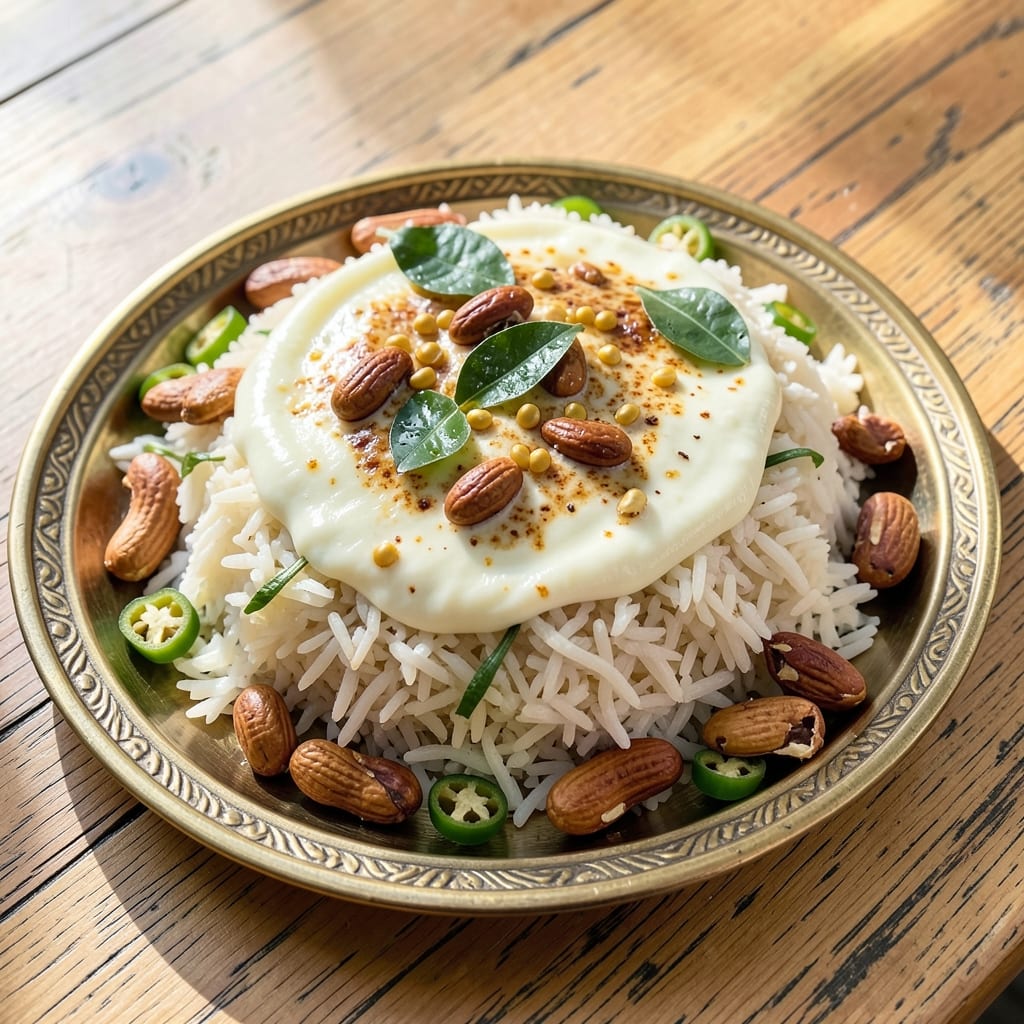
Alia Bhatt’s curd rice recipe transforms simple rice into a restaurant-worthy dish with tangy yogurt and toasted spices that elevate every bite. This vegetarian classic combines fluffy basmati rice with cooling yogurt and a fragrant tempering of mustard seeds, curry leaves, and peanuts—creating a balance of textures and flavors that’s both comforting and sophisticated. The secret lies in the slow-cooked yogurt mixture, which infuses the rice with creamy richness without making it heavy.
What sets this recipe apart is the two-stage cooking process: first, perfectly cooked rice is lightly fluffed and cooled, then gently mixed with the yogurt base. The tempering—where whole spices and peanuts are toasted in hot oil—adds a satisfying crunch and aromatic depth that cuts through the yogurt’s coolness. This dish is as much about technique as it is about ingredients, ensuring each mouthful delivers a harmonious blend of creamy, crunchy, and spiced elements.
The result is a dish that’s light yet indulgent, perfect for hot afternoons or festive gatherings. The yogurt keeps the rice from feeling dry, while the tempering adds layers of flavor that make this more than just a side—it’s a complete meal. Optional additions like boiled potatoes, sev, or fried curry leaves can turn it into a heartier dish, but even on its own, it’s a showstopper.
This recipe bridges tradition and modern twists, making it approachable for home cooks while delivering restaurant-quality results. Whether you’re serving it as a light lunch or a centerpiece for a dinner party, the combination of cool yogurt and warm spices creates a dish that’s as satisfying as it is elegant. Let’s get started on making yours.
Ingredients for alia bhatt curd rice
Restaurant-quality curd rice starts with these twelve simple yet transformative ingredients.
| Ingredient | Amount | Notes |
|---|---|---|
| Long-Grain Basmati Rice 🍚 | 2 cups | Uncooked, rinsed thoroughly |
| Plain Whole Milk Yogurt 🥛 | 1 ½ cups | Unstrained, full-fat preferred |
| Mustard Seeds 🌿 | 1 tbsp | Yellow or brown variety |
| Curry Leaves 🌿 | ¼ cup | Fresh, tightly packed |
| Peanuts 🥜 | ¼ cup | Roasted, unsalted |
| Green Chilies 🌶️ | 2 whole | Slit lengthwise, optional |
| Asafoetida Powder 🌶️ | ¼ tsp | For aroma, optional |
| Cumin Seeds 🌿 | ½ tsp | Toasted for depth |
| Ghee or Vegetable Oil 🫒 | ½ cup | For tempering |
| Salt 🧂 | 1 ½ tsp | Adjust to taste |
| Fresh Coriander Leaves 🌿 | ¼ cup | Chopped, for garnish |
| Lemon Juice 🍋 | 1 tbsp | Freshly squeezed |
The yogurt is the heart of this dish—opt for full-fat, unstrained plain yogurt for the creamiest texture. Amul or Nestlé brands work well, but any thick, tangy yogurt will do. If using Greek yogurt, thin it slightly with water to mimic the consistency. Fresh curry leaves are non-negotiable; dried leaves lack the aromatic punch. Indian grocery stores carry them in bulk, or freeze them if you can't use them all at once. The peanuts should be roasted to a golden brown—store-bought roasted peanuts work, but toasting them fresh in ghee adds an extra layer of flavor.
No curry leaves? Substitute 2 tbsp fresh cilantro, though the flavor won't be identical. Out of peanuts? Cashews or almonds toasted in ghee work as a substitute, but they'll change the dish's signature crunch. The green chilies are optional but recommended—they add a subtle heat that balances the yogurt's coolness. If you can't find fresh curry leaves, dried leaves crushed between palms can be used at half the quantity. For the tempering, ghee is ideal, but vegetable oil works in a pinch—just avoid oils with strong flavors like coconut or sesame.
Rice keeps best in an airtight container for 3-4 days at room temperature, but the yogurt base should be refrigerated. Once mixed, the curd rice stays fresh for 2 days in the fridge—though it's best enjoyed the same day. The tempering ingredients (mustard seeds, curry leaves, peanuts) can be pre-toasted and stored in a jar for 1 week. Garnish with fresh coriander just before serving to preserve its vibrant color and aroma. This dish reheats beautifully—gentle warming on low heat maintains its creamy texture.
Why You'll Love This Recipe
- I’ll be real: this recipe costs me less than $5 for a family of four, and it stretches into leftovers that taste just as good the next day. The yogurt adds creaminess without breaking the bank, and peanuts? They’re the unsung hero—cheap, shelf-stable, and packed with flavor. No waste, all win.
- No-Fuss Basics: I swear by this recipe because it’s the kind of dish that forgives mistakes. You don’t need to soak the basmati for hours—just rinse it once, cook it with a pinch of salt, and let the yogurt do the magic. That’s it. The mustard seeds and curry leaves sizzle in seconds, so you’re not stuck stirring for ages.
- Tangy Crunch Magic: Here’s what sold me—the way the whole milk yogurt clings to each grain, cooling the rice just enough to balance the warmth of toasted peanuts. That first bite? The crunch from the peanuts, the sharp tang of yogurt, and the earthy mustard—it’s like a party in your mouth that doesn’t quit.
- Picnic to Party: Between us, this is my go-to for anything. Pack it in a thermos for a beach day, serve it at a potluck (it’s always the first to disappear), or make a big batch for lazy Sundays. Honestly, the rice stays fresh for days, so you’re not left scrambling for ideas.
Step-by-step instructions for Alia Bhatt's curd rice
Here's how to achieve that perfect balance of tangy yogurt and nutty spice crunch.
Cook the Basmati Rice to Perfect Texture
Rinse the 2 cups long-grain basmati rice under cold water until the water runs clear. This removes excess starch that would make the rice gummy. Drain well and soak for 20 minutes to help the grains cook evenly. Transfer to a pressure cooker with 4 cups water, 1 tsp salt, and cook for 3 whistles or until fully tender. The rice should be slightly undercooked—it will finish cooking with the yogurt later.
Drain the rice immediately after cooking and spread it on a tray to cool completely. This prevents the grains from sticking together when you mix in the yogurt. I press down gently with a spatula to separate any clumps—this ensures each grain gets coated with yogurt for that signature tangy texture.
Prepare the Yogurt Mixture
In a large bowl, combine the 1.5 cups plain whole milk yogurt with the 1 tbsp lemon juice. Whisk until smooth and well incorporated. The lemon juice brightens the yogurt's flavor and balances its natural tanginess. Add the 1.5 tsp salt and mix thoroughly—this seasoning will penetrate each rice grain later.
Gently fold in the cooled rice using a spatula, coating each grain evenly with the yogurt mixture. For best results, I work in batches if needed to ensure every grain gets fully coated. The mixture should look creamy but still hold its shape when pressed—this indicates proper consistency for the final texture.
Temper the Spices and Peanuts
Heat the 0.5 cup ghee or vegetable oil in a heavy-bottomed pan over medium heat. Add the 0.5 tsp cumin seeds and toast for 30 seconds until fragrant. Immediately add the 1 tbsp mustard seeds and 2 whole green chilies (slit lengthwise), cooking for another 30 seconds until the mustard seeds pop.
Add the 0.25 cup curry leaves and 0.25 cup peanuts, stirring constantly for 1-2 minutes until the peanuts turn golden brown and the curry leaves crisp slightly. Remove from heat and stir in the 0.25 tsp asafoetida powder—this releases its distinctive aroma that's essential to authentic curd rice.
Combine and Garnish
Pour the tempered spice mixture over the yogurt-rice combination in the bowl. Gently fold everything together until the spices are evenly distributed throughout. The rice should now have visible specks of peanuts and curry leaves while maintaining its creamy texture.
Transfer to a serving dish and garnish with the 0.25 cup chopped fresh coriander leaves. Let it sit for 10 minutes before serving—this allows the flavors to meld together. The final dish should have a perfect balance of cool, tangy yogurt with warm, nutty spices and a satisfying crunch from the peanuts and curry leaves.
Pro Tips For Making Alia Bhatt Curd Rice
- TOAST THE PEANUTS: Dry-roast them for 3-4 minutes until golden and fragrant—skip the oil unless you’re desperate. I learned this the hard way: raw peanuts taste bland and chalky, and no amount of cooking later fixes that. (Yes, even if you’re impatient like me.) ---
- TEMPER MUSTARD SEEDS LOW: Start on medium heat and let them sizzle gently—no need to blister them. After burning three batches, I finally figured out that curry leaves need a slow start to release their aroma without turning bitter. (Your future self will thank you.) ---
- USE THICK YOGURT ONLY: Strain whole-milk yogurt through a muslin cloth for 10 minutes to remove excess whey—this keeps the rice creamy without turning it soggy. I was skeptical until I tried it: the texture is chef’s kiss smooth, not gluey. ---
- REST THE RICE COLD: Spread the cooked rice on a tray and chill for 20 minutes before mixing with yogurt. This isn’t the prettiest method, but it’s the tastiest: prevents a gummy mess and lets the flavors meld properly. (Does it look weird? Yes. Does it work? Every single time.)
Regional styles of this alia bhatt curd rice
South Indian Style
In South India, curd rice is often called dahi vada and includes a unique twist: boiled potatoes mixed into the rice-yogurt base. Use 2 medium potatoes, boiled and mashed slightly, for a heartier dish. The tempering here often includes urad dal (black gram) instead of peanuts, adding a protein-rich crunch. I've seen versions from Kerala where they add grated coconut to the yogurt mixture for a tropical touch. 🥥
Maharashtrian Twist
Maharashtrian curd rice, or dahi bhakri, replaces basmati rice with jowar (sorghum) or bajra (millet) flatbreads that are soaked in water and blended into a coarse batter. The yogurt mixture gets a kick from khandvi masala—a blend of fenugreek, sesame, and mustard seeds. For an authentic touch, serve with sambar (lentil stew) and fresh coconut chutney. The texture is completely different but equally satisfying.
Gujarati Fusion
Gujarati households often prepare khaman dhokla curd rice, where steamed rice cakes are crumbled into the yogurt base. The tempering includes dhana jeera (cumin-coriander powder) and fennel seeds for a distinct aroma. I've noticed they use thicker yogurt (almost like hung curd) to handle the moisture from the rice cakes. Garnish with sev (gram flour noodles) and pomegranate seeds for a festive look that's popular during Navratri celebrations. 🌟
Modern Bollywood Adaptation
Celebrity chefs inspired by Alia Bhatt's style often add mint-cilantro chutney drizzled on top for a fresh contrast. Some versions incorporate roasted cashews instead of peanuts and use white miso paste for umami depth in the yogurt mixture. For a smoky twist, I've seen recipes where the peanuts are toasted with smoked paprika before adding to the tempering. This fusion approach keeps the dish light but adds sophisticated layers that appeal to contemporary palates.
Hyderabadi Luxe Version
Hyderabadi curd rice takes elegance to another level with silk cotton (ceylon spinach) blended into the yogurt base. The tempering includes silver leaf (varak) and saffron strands for a royal presentation. They often serve this with mirchi ka salan (stuffed chili curry) and boondi raita. The key here is using double-toned milk yogurt (made with equal parts toned and full-fat milk) for a lighter yet creamy texture that's perfect for Hyderabad's hot climate. 💫
Bengali Sweet-Savory
In West Bengal, curd rice sometimes gets a sweet-savory twist with grated raw mango and sugar added to the yogurt mixture. The tempering includes poppy seeds and cardamom for warmth. This version, called dahi chawal, is often served during Pohela Boishakh (Bengali New Year). For extra richness, some add a dollop of sandesh (milk-based sweet) on top. The contrast of cool yogurt with warm spices and subtle sweetness makes this a unique regional take. 🌶️
Nutrition facts
Frequently asked questions
Can I make this curd rice without a pressure cooker?
Use a pot with a tight-fitting lid instead. Cook the rice with 4 cups water over medium-high heat until it boils, then reduce to low, cover, and simmer for 15-18 minutes (or until water is absorbed). The rice should be slightly underdone—it will finish cooking when mixed with the warm yogurt later. Stir gently once halfway to prevent sticking.
How do I fix if the yogurt separates from the rice?
This happens when the rice is too hot or the yogurt isn't properly mixed. Let the rice cool completely before combining, and whisk the yogurt with 1 tbsp lemon juice first to stabilize it. For separated mixtures, gently reheat the rice-yogurt mix (without boiling) while stirring until creamy. A splash of warm water can help restore the right consistency.
What are the best sides to serve with this dish?
This creamy curd rice pairs beautifully with spicy sambar, boondi raita, or mango pickle for a complete meal. For a lighter option, try cucumber raita or onion salad. The yogurt's coolness balances rich sides like dal makhani or paneer dishes, making it a versatile centerpiece for any South Asian feast.
Can I make this recipe gluten-free?
Yes! Simply omit the peanuts (if using store-bought roasted varieties that may contain traces) and substitute with toasted pumpkin seeds or cashews. Check your yogurt label for gluten-free certification, and use tamari instead of soy sauce if needed. The tempering spices and rice are naturally gluten-free, so the base remains safe for gluten-sensitive diets.
Why does my curd rice taste bland?
This usually happens from insufficient tempering or under-seasoned yogurt. Ensure your spices are freshly toasted and the asafoetida powder is added at the end for maximum aroma. For extra depth, stir in 1 tsp chaat masala or a pinch of black salt (kala namak) when combining the rice and yogurt. The lemon juice in the yogurt mixture also brightens flavors—don't skip it!