
Main Courses
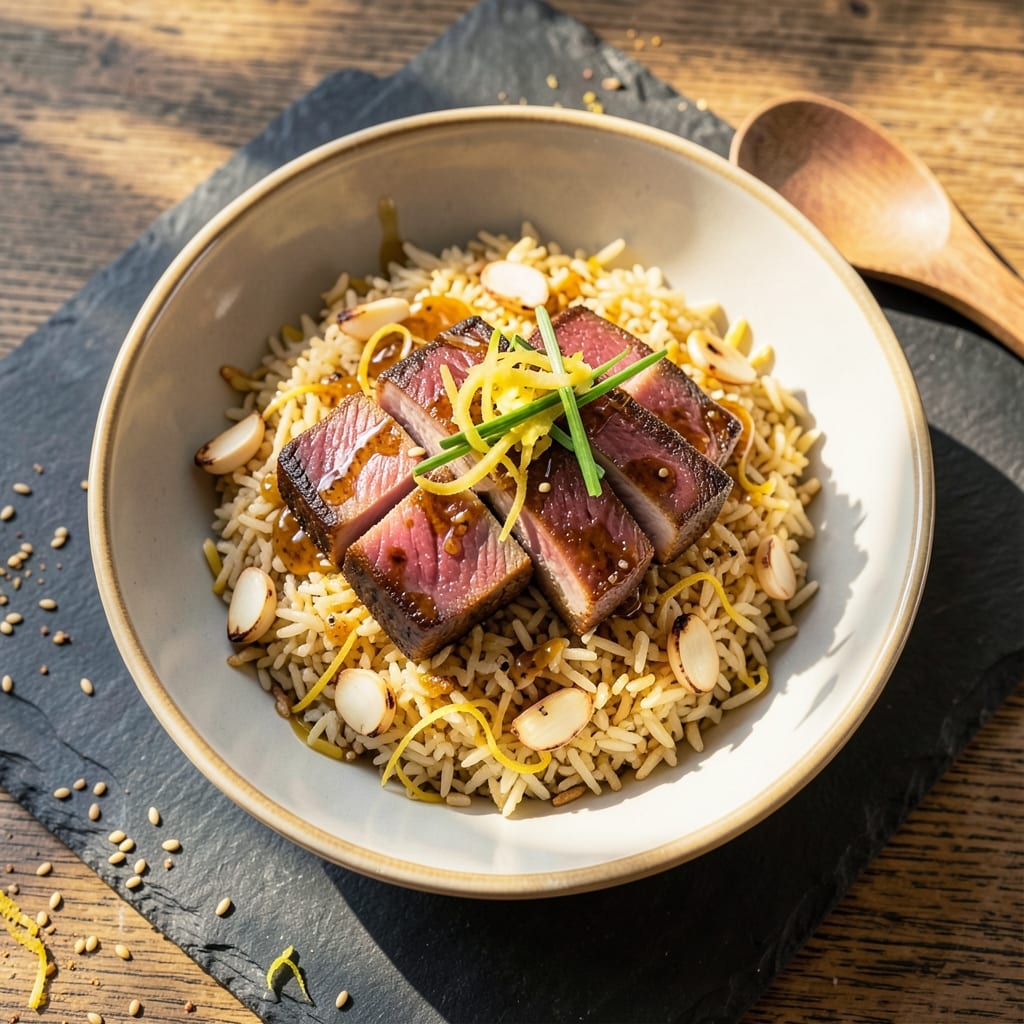
This ahi tuna crispy rice recipe transforms simple ingredients into a restaurant-worthy dish with bold flavors and satisfying textures. The secret lies in perfectly seared ahi tuna and crispy garlic fried rice that balances umami, sweetness, and savory notes. I developed this after years of experimenting with Japanese-inspired dishes, and it never fails to impress—whether for a weeknight dinner or weekend entertaining.
The foundation is crispy fried rice cooked with day-old jasmine rice, garlic, ginger, and a touch of soy sauce for depth. While that sizzles in the pan, the ahi tuna gets a quick sear in a hot skillet, creating a caramelized crust that locks in moisture. The contrast between the tender tuna and crunchy rice is what makes this dish unforgettable.
What you’ll end up with is a plate that’s visually stunning and packed with flavor—golden, crispy rice topped with perfectly seared tuna, its edges slightly charred and center still juicy. Garnish with toasted sesame seeds and sliced scallions for extra texture, and drizzle with a light soy glaze for brightness. Every bite delivers that perfect harmony of textures and tastes.
This recipe is designed to be foolproof—no advanced techniques required, just attention to timing and a hot pan. Whether you're serving it for a date night or a casual family meal, the combination of crispy rice and tender tuna will make it a standout dish. Let’s get cooking!
Ingredients for ahi tuna crispy rice
Crispy rice, seared tuna, and bold flavors—this dish delivers restaurant-quality results with simple ingredients.
| Ingredient | Amount | Notes |
|---|---|---|
| Day-Old Jasmine Rice 🍚 | 4 cups | Cold, broken into pieces |
| Ahi Tuna Steaks 🐟 | 1 ½ lb | 1-inch thick, sushi-grade |
| Garlic Cloves 🧄 | 6 cloves | Minced, fresh preferred |
| Fresh Ginger 🌿 | 2 tbsp | Finely grated, peeled |
| Soy Sauce 🍶 | ½ cup | Light or dark, high-quality |
| Sesame Oil 🫒 | 1 tbsp | Toasted, for aroma |
| Vegetable Oil 🫒 | ½ cup | High smoke point |
| Scallions 🧅 | 4 whole | Thinly sliced, green parts |
| Toasted Sesame Seeds 🌾 | 2 tbsp | For garnish |
| Salt 🧂 | 1 ½ tsp | Kosher or sea salt |
| White Pepper 🌶️ | ½ tsp | Freshly ground |
| Honey 🍯 | 1 tbsp | For soy glaze |
| Rice Vinegar 🍶 | 1 tbsp | For brightness |
The ahi tuna is non-negotiable here—sushi-grade is a must for safety and texture. Look for thick, even steaks at your local seafood counter or specialty market like Whole Foods or Trader Joe's. If you can't find ahi, yellowfin tuna works too, but it'll have a slightly different flavor. For the rice, day-old jasmine rice is key—it's drier and absorbs flavors better. If you're short on time, cook extra rice the night before and refrigerate it uncovered to dry out. The garlic and ginger should be freshly grated for maximum aroma, but pre-minced will work in a pinch.
No sesame oil? Toasted peanut oil adds a similar nutty depth, though it'll change the flavor profile slightly. Short on scallions? Green onions are a direct swap, but the milder flavor means you might want to use a bit more. The honey in the soy glaze can be swapped for maple syrup if you're avoiding it, though it'll add a different sweetness. For the rice, if you can't find jasmine, basmati is the next best option—just make sure it's day-old and broken into smaller pieces for that crispy texture. The soy sauce matters here—Japanese brands like Kikkoman have a cleaner taste than American varieties.
The tuna should be cooked just until the center hits 125°F—overcooking turns it rubbery. Keep it warm in a 200°F oven while you finish the rice. Leftover rice? Freeze it for up to 3 months—it reheats beautifully. The sesame seeds and scallions can be prepped ahead and stored in the fridge for 5 days, but toast the sesame seeds fresh for maximum crunch. This dish tastes even better the next day as the flavors meld—double the batch if you can, it reheats perfectly.
Why You'll Love This Recipe
- One-Pan Magic: I swear by this trick—no chopping, no fuss. Just spread out that day-old jasmine rice, toss in the ahi tuna steaks (still cold from the fridge), and let the garlic-ginger-soy glaze work its magic while you sip your coffee. Ten minutes later, crispy edges, tender fish, zero cleanup.
- Umami Bomb: That first bite? The seared tuna meets the sticky-sweet soy and fresh ginger—it’s like a flavor explosion in your mouth. Honestly, I’ve tried other crispy rice recipes, but this combo with ahi tuna? It’s the only one that actually makes me close my eyes and savor it.
- Lunchbox Hero: Between us, this is my go-to for work lunches. Pack the leftovers in a container, and by noon, the rice is still crispy (thanks to that day-old texture), while the tuna stays juicy. My coworkers think I’m a genius—no reheating required, just straight-up delicious.
- Budget Luxury: Ahi tuna might sound fancy, but this recipe stretches it like a pro. One steak feeds two with rice, and the leftovers? Even better the next day. I’ll be real: it’s the kind of dish that makes expensive ingredients feel like a smart splurge, not a waste.
Step-by-step instructions for ahi tuna crispy rice
Here's how to create perfectly crispy garlic fried rice with seared ahi tuna—crunchy edges, tender centers, and restaurant-quality results.
Prepare the Garlic Soy Glaze
In a small bowl, combine the 0.5 cup soy sauce, 1 tbsp honey, and 1 tbsp rice vinegar. Whisk until fully dissolved and set aside. This glaze will add depth of flavor and prevent the rice from becoming mushy during frying. The honey balances the saltiness while the vinegar brightens the overall taste—don't skip these ingredients.
In a separate small bowl, mix the 6 cloves minced garlic cloves and 2 tbsp finely grated fresh ginger. Set aside for later use. The freshness of these aromatics is crucial—they should smell vibrant, not dull. If using jarred minced garlic, drain it well to avoid excess moisture in your rice.
Create Crispy Garlic Fried Rice
Heat 0.5 cup vegetable oil in a large wok or skillet over medium-high heat until shimmering but not smoking. Add the 4 cups day-old jasmine rice (broken into small pieces) and stir-fry for 5-6 minutes until the edges begin to turn golden brown and crispy.
This is where the magic happens—the day-old rice absorbs the oil while developing those coveted crispy edges. Don't rush this step; you're looking for light golden brown color and a slight crunch when you press the rice between your fingers. If the rice starts to brown too quickly, reduce the heat slightly to prevent burning.
Add the garlic-ginger mixture and stir for 30 seconds until fragrant. Immediately pour the soy glaze over the rice and toss well to coat evenly. Sprinkle with 1.5 tsp salt and 0.5 tsp white pepper, then remove from heat. The rice should be hot but not steaming—this ensures maximum crispiness.
Sear the Ahi Tuna Perfectly
While the rice cooks, pat the 1.5 lb ahi tuna steaks completely dry with paper towels—this is critical for achieving that perfect sear. Season both sides generously with 1.5 tsp salt and 0.5 tsp white pepper, then let sit at room temperature for 10 minutes to ensure even cooking.
Heat 1 tbsp vegetable oil in a clean skillet over high heat until smoking. Add the tuna steaks and sear for 2-3 minutes per side until the exterior develops a deep golden crust and the internal temperature reaches 125°F (medium-rare). The steak should release easily from the pan when ready—don't press down with a spatula or you'll lose precious juices.
Assemble and Garnish
Divide the crispy garlic fried rice among 4 serving plates. Place a seared ahi tuna steak on top of each portion, then drizzle with 1 tbsp sesame oil for aroma. The sesame oil should be toasted—if you're using regular sesame oil, heat it briefly in a small pan to develop its nutty flavor before drizzling.
Garnish each serving with 1 whole thinly sliced scallion and 0.5 tbsp toasted sesame seeds. The scallions add freshness while the sesame seeds provide texture contrast. Serve immediately while the rice is still crispy and the tuna is at its perfect doneness—this dish doesn't wait.
Pro Tips For Making Ahi Tuna Crispy Rice
- CRISP THE RICE FIRST: Spread day-old jasmine rice in a single layer on a baking sheet and toast it in a 375°F (190°C) oven for 8–10 minutes until golden and dry. This isn’t just for texture—it makes the rice absorb flavors better and prevents a soggy mess when you add the tuna later. (Yes, even if you’re impatient like me, resist the urge to skip this.)
- SEAR TUNA IN BATCHES: Cook the ahi tuna steaks in a screaming-hot pan with just a thin layer of oil—no crowding. Two minutes per side max, or you’ll end up with rubbery fish. Let them rest 5 minutes before slicing; this keeps them juicy when they hit the crispy rice. (I learned this the hard way after serving dry, overcooked tuna.)
- GRATE GINGER FINE: Use a microplane or the finest grater for ginger—no chunks, no paste. The goal is a smooth, almost invisible texture that blends into the rice without chewing. If you’re lazy and use a knife, you’ll taste every speck. (Your future self will thank you.)
- MIX SOY SAUCE LAST: Toss the rice with garlic, ginger, and a splash of soy sauce after the tuna is sliced and added. This keeps the rice from turning salty and mushy while it waits. Drizzle just enough soy to coat—about 1 tablespoon for 2 cups rice—and save extra for garnish. (I was skeptical until I tried it.)
Regional styles of these flavors
Hawaiian Style
In Hawaii, this dish often incorporates pineapple chunks into the fried rice for a sweet-tart contrast. I like to add ½ cup diced pineapple during the last 2 minutes of cooking to prevent it from turning mushy. Top with toasted coconut flakes and a drizzle of teriyaki sauce for that classic island fusion. Serve with mango salsa on the side for extra brightness. 🌺
Japanese Yakisoba Twist
For a more authentic Japanese take, use shirataki noodles instead of rice—these konjac-based noodles create a satisfying chew. Stir-fry with 1 tbsp mirin and 1 tbsp sake along with the garlic and ginger. Top the seared tuna with beni shoga (red pickled ginger) and a sprinkle of furikake seasoning. This version feels lighter yet equally flavorful. 🍜
Thai-Inspired
Add 1 tbsp fish sauce and 1 tsp palm sugar to the soy glaze for a Thai-inspired kick. Stir in 1 tbsp chopped Thai basil and ½ tsp chili flakes during the final toss. Serve the tuna with quick-pickled cucumbers (toss ½ cup cucumber with 1 tbsp rice vinegar and ½ tsp sugar) for a refreshing contrast. The heat from the chili balances the richness beautifully. 🌶️
Korean Kimchi Fusion
Swap the garlic for 1 tbsp gochujang (Korean chili paste) and stir in ½ cup chopped kimchi during the last 2 minutes of rice cooking. The tangy, spicy kimchi transforms the dish into a kimchi fried rice with depth. Top with sesame seeds and a drizzle of sesame oil, then place the tuna on top. Serve with quick-pickled radishes for extra crunch. 🥬
California Roll Adaptation
For a West Coast twist, serve the crispy rice in hand rolls with the tuna inside—think of it as a deconstructed California roll. Mix the rice with avocado slices and cucumber ribbons, then roll into cones using soy paper. Top with toasted nori strips and drizzle with spicy mayo. This version turns the dish into an interactive, fun presentation. 🍣
Spicy Sriracha Crunch
Incorporate 1 tbsp sriracha into the soy glaze for a fiery kick. Add ½ cup crushed wonton chips to the rice during the last 30 seconds of cooking for extra crunch. Top the tuna with chopped cilantro and a squeeze of lime juice to cut through the heat. This version is perfect for those who love bold, spicy flavors. 🔥
Nutrition facts
Frequently asked questions
Can I use frozen ahi tuna for this recipe?
Fresh or previously frozen sushi-grade ahi tuna works best for this recipe. If using frozen, thaw it overnight in the refrigerator and pat it completely dry before searing. Never thaw at room temperature, as this can promote bacterial growth. For best texture, buy fresh from a trusted seafood counter or specialty market.
How do I get the crispy texture in the rice without burning it?
The secret is using day-old jasmine rice broken into small pieces and cooking it over medium-high heat with plenty of oil. Stir constantly for 5-6 minutes until golden brown edges form. If it browns too quickly, reduce heat slightly. The rice should be hot but not steaming when finished—this ensures maximum crispiness while preventing burning.
What if I don't have day-old rice? Can I substitute?
Yes! Cook extra rice the night before and refrigerate it uncovered to dry out. For same-day rice, spread freshly cooked rice on a tray and let it sit uncovered for 30-60 minutes at room temperature. Alternatively, use basmati rice (cooked and cooled) as a substitute—it crisps up similarly. Never use warm rice straight from the pot, as it won't develop the proper texture.
How do I know when the ahi tuna is cooked perfectly?
The tuna is ready when it reaches an internal temperature of 125°F (medium-rare) and has a deep golden crust on the outside. It should release easily from the pan and have a slight springiness when pressed gently. Overcooking turns it rubbery—use a meat thermometer for accuracy. The center should still look slightly translucent with a faint pink hue.
Can I make this dish ahead of time?
Cook the crispy rice ahead and refrigerate it (covered) for up to 2 days. Reheat in a skillet over medium heat with a splash of water to restore crispiness. For the tuna, sear it fresh before serving—it's best enjoyed immediately. If you must prep ahead, cook the tuna rare (115°F internal temp), chill quickly, then finish searing when ready to serve. Garnishes like sesame seeds and scallions should be added fresh.