
Main Courses
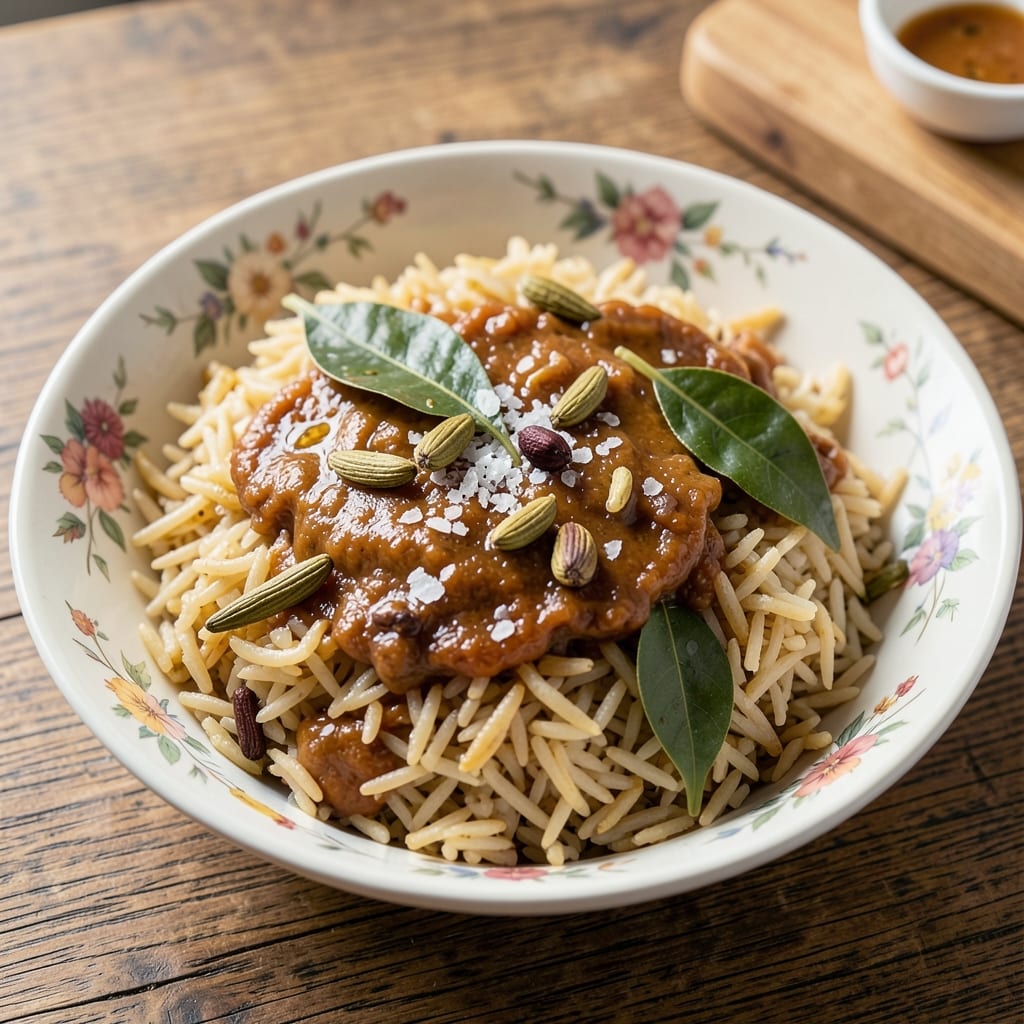
This aged basmati rice recipe unlocks the nutty, aromatic potential that transforms ordinary grains into a flavor foundation for any dish. The secret lies in proper soaking and cooking techniques that develop those signature floral notes and firm yet tender texture—critical for pilafs, biryanis, or even modern grain bowls. I’ve refined this method over years of testing, ensuring every grain absorbs flavor while maintaining its signature shape and bite.
Unlike quick-cooking basmati, aged rice requires patience: a minimum 4-hour soak (overnight works best) followed by a precise stovetop or rice cooker method. The result is grains with a deep nutty aroma and a texture that holds up to bold spices or delicate sauces without becoming mushy. This technique works equally well for traditional Middle Eastern dishes or contemporary salads where texture matters.
What sets this method apart is the flexibility—use it as a neutral base for curries, a fragrant side for grilled meats, or even a standalone dish with toasted spices and herbs. The key is controlling water ratios and cooking times to avoid undercooked centers or mushy grains. Once mastered, you’ll never settle for store-bought again.
The beauty of aged basmati lies in its versatility: pair it with smoky tandoori chicken, vibrant vegetable stir-fries, or even as a bed for hearty stews. For extra depth, finish with a light drizzle of ghee or fresh herbs. Ready to elevate your rice game?
Ingredients for aged basmati rice
Quality grains and aromatic spices transform simple rice into a flavor foundation for any dish.
| Ingredient | Amount | Notes |
|---|---|---|
| Aged Basmati Rice 🌾 | 1 cup | Uncooked, long-grain variety |
| Water 💧 | 1 ¾ cups | Room temperature preferred |
| Ghee or Unsalted Butter 🧈 | 2 tbsp | For toasting and richness |
| Bay Leaves 🍃 | 2 whole | Fresh preferred for aroma |
| Cardamom Pods 🌿 | 4 whole | Lightly crushed for flavor |
| Cloves 🌶️ | 2 whole | Whole, for subtle warmth |
| Salt 🧂 | ½ tsp | Fine sea salt preferred |
| Fresh Cilantro 🌿 | ¼ cup | Chopped, for garnish |
| Fresh Mint Leaves 🌿 | ¼ cup | Chopped, for brightness |
| Lemon Juice 🍋 | 1 tbsp | Freshly squeezed |
| Toasted Almond Slices 🥜 | ¼ cup | Optional, for texture |
The aged basmati is non-negotiable here—look for packages labeled 'aged' or 'parboiled' at specialty stores like Whole Foods or Indian markets. The grains should be plump and uniform, not shriveled. Tata or India Gate brands are reliable choices. For the spices, Penzeys or bulk bins at Trader Joe's offer the freshest cardamom and cloves. Toast the whole spices in the ghee until fragrant—this step unlocks their full aroma. Don't skip it; it's what makes homemade rice taste restaurant-quality.
No aged basmati? Substitute with long-grain jasmine rice, but increase soaking time to 6 hours. Fresh herbs wilt fast—dried cilantro or mint at one-third the amount works in a pinch. Out of ghee? Olive oil or coconut oil gives a different but still delicious flavor profile. The water ratio is critical: too little results in undercooked grains, too much makes them mushy. For extra depth, add a pinch of saffron steeped in warm water—just a thread or two makes a dramatic difference. The lemon juice should be freshly squeezed; bottled lacks the bright zing.
Rice keeps best in an airtight container for 3-4 days in the fridge, but flavor peaks within 24 hours. For longer storage, freeze portions in 1-cup servings for up to 3 months. Reheat gently with a splash of water to restore moisture. I always make a double batch—one for immediate use, one to freeze for lazy weeknights. The toasted almonds add crunch but can be omitted if you prefer a simpler texture. Store whole spices in a cool, dark place; they'll stay potent for 6-12 months.
Why You'll Love This Recipe
- No-Fuss Basics: I swear by this—just rice, water, and a splash of ghee. No fancy chopping, no hidden ingredients, and honestly? It’s the kind of dish where you can pour your attention into whatever you’re actually cooking instead of stressing over the rice.
- Fragrant Magic: That first whiff of cardamom and bay leaves simmering in ghee? It’s like a warm hug for your kitchen. The aged basmati soaks up the aroma, turning every grain into a tiny, buttery, spiced cloud—simple, but ridiculously satisfying.
- Weeknight Workhorse: I make this when I’m feeding the whole family or prepping for lunches. It’s neutral enough to pair with curries, grilled meats, or even just a sprinkle of salt and chili flakes for a quick bowl. Honestly, it’s my go-to for lazy nights when I don’t want to think.
- Leftovers That Don’t Let You Down: This rice actually improves the next day—drier, more distinct in flavor, and perfect for reheating. Between us, it’s the only grain I can make in bulk without worrying. Plus, the cost? A fraction of what you’d spend on pre-packaged rice blends.
Step-by-step instructions for aged basmati rice with fragrant spices
Transform simple rice into an aromatic masterpiece with these precise techniques.
Toast the Spices and Ghee
Heat a medium saucepan over medium heat and add the 2 tablespoons ghee or unsalted butter. Let it melt completely, then add the 4 whole cardamom pods and 2 whole cloves. Stir gently for 30 seconds until the spices begin to release their aroma—you'll notice the kitchen filling with warm, earthy fragrance.
Add the 2 whole bay leaves and continue cooking for another 30 seconds until the spices are lightly toasted but not burned. This step develops the foundation of flavor that will infuse the rice. Keep the heat at medium—too high will burn the spices, and too low won't activate their oils properly.
Add Rice and Toast Lightly
Add the 1 cup aged basmati rice to the saucepan and stir for 1-2 minutes until the grains are evenly coated with the ghee and spices. The rice should take on a faint golden hue as it toasts. This brief toasting step enhances the nutty flavor of the aged basmati and prevents the rice from becoming mushy.
I like to press down gently on the rice with a wooden spoon during the first minute—this prevents it from curling and ensures even contact with the hot ghee. You'll know it's ready when the rice releases from the bottom of the pan easily and has a light golden color throughout.
Add Water and Salt
Pour in the 1.75 cups room temperature water and add the 0.5 teaspoon salt. Stir once to distribute the water evenly among the rice grains. The water should just cover the rice—aged basmati absorbs water differently than regular rice, so don't add extra.
Bring the mixture to a gentle boil over medium-high heat. Once boiling, reduce the heat to low and cover the saucepan tightly with a lid. The key here is to maintain a gentle simmer—not a rolling boil, which would cook the rice unevenly. You'll see small bubbles form around the edges, but the water should remain mostly still.
Simmer Until Perfectly Cooked
Simmer for 12-15 minutes without lifting the lid. This is where patience pays off—aged basmati needs time to absorb the water and develop its signature texture. After 12 minutes, check the rice by pressing a grain between your fingers. It should be tender but still slightly firm in the center.
If the rice is still undercooked, continue simmering for another 1-2 minutes. If it's perfectly cooked but the water has completely evaporated, add 1-2 tablespoons hot water and let it steam covered for another 2 minutes. The rice should be fluffy with individual grains that don't stick together.
Finish and Garnish
Once the rice is perfectly cooked, remove it from heat and let it sit covered for 5 minutes. This resting period allows the steam to redistribute and the grains to finish absorbing any remaining moisture. After resting, gently fluff the rice with a fork to separate the grains.
Transfer the rice to a serving dish and stir in the 1 tablespoon lemon juice. This brightens the flavors and balances the richness of the ghee. Garnish with the 0.25 cup chopped fresh cilantro, 0.25 cup chopped fresh mint leaves, and 0.25 cup toasted almond slices for texture and visual appeal. Serve immediately while the rice is still warm and fragrant.
Pro Tips For Making Aged Basmati Rice
- TOAST THE RICE FIRST: Heat your dry aged basmati in a dry pot over medium-high for 2-3 minutes until it smells nutty and the grains look slightly translucent. I learned this the hard way—skipping it makes the rice clump even after soaking, and the aroma never hits the same.
- USE LESS WATER THAN YOU THINK: Aged basmati absorbs differently—start with 1:1.5 rice-to-water ratio (not the usual 1:2). If it’s still dry after 15 minutes, add a splash, but resist the urge to drown it. The grains need room to fluff, not steam like mushy rice.
- CRUSH THE CARDAMOM: Lightly smash the cardamom pods with the flat side of a knife before adding them to the ghee. Whole pods release flavor slowly, but cracked ones infuse the rice with that warm, floral punch right away—no waiting for them to "open up" on their own.
- DON’T SKIP THE DOUBLE SOAK: Soak the rice for 30 minutes, drain, then soak again for another 15 minutes in fresh water. This washes off excess starch that makes aged basmati gummy, even when it’s supposed to be firm. (Yes, it’s extra work, but the texture is worth it.)
Regional styles of these flavors
Middle Eastern Pilaf Style
In the Middle East, aged basmati rice is often cooked as a fragrant pilaf, where it's layered with caramelized onions, toasted nuts, and dried fruits. Start by sautéing 1 cup finely chopped yellow onions in ghee until golden brown, then add ½ cup slivered almonds and ¼ cup raisins to toast for 1 minute. Stir these into the rice after toasting the spices and before adding water. After cooking, fold in 1 tbsp rose water for a floral aroma—this is key in Persian-style pilafs. 🌿
Indian Biryani Base
For biryani, aged basmati rice becomes the aromatic foundation that absorbs the flavors of marinated meats and spices. After cooking the rice, spread it on a large tray to cool slightly, then layer with ½ cup yogurt, 1 tsp garam masala, and 1 tbsp chopped mint. The rice should be slightly undercooked (al dente) before layering with marinated chicken or lamb. Finish by sealing the pot with foil and steaming on low heat for 10 minutes—this creates the signature biryani texture. 🍛
Moroccan Spiced Couscous
While not traditional, Moroccan-inspired spiced rice works beautifully with aged basmati. After toasting the spices, add 1 tsp ground cumin and ½ tsp ground coriander to the rice before cooking. Use 1.5 cups chicken broth instead of water, and finish with 1 tbsp harissa paste and 2 tbsp chopped parsley. This version pairs perfectly with tagines or grilled lamb. 🌶️
Pakistani Pulao Variations
Pakistani pulao often includes whole spices like 1-inch cinnamon stick and 4 green cardamom pods along with the cardamom and cloves. After cooking, stir in ½ cup fried onions and 2 tbsp chopped coriander. For extra richness, add 1 tbsp melted ghee before serving. This version is commonly served with curries or kebabs. 🍗
Modern Grain Bowl Base
For contemporary dishes, cook the rice as directed but omit the bay leaves and cloves. Instead, finish with 1 tbsp toasted sesame oil, 1 tsp soy sauce, and 1 tsp honey. This creates a neutral but flavorful base for Asian-inspired bowls. Top with roasted vegetables, edamame, and a drizzle of spicy mayo for a restaurant-quality dish. ✨
Nutrition facts
Frequently asked questions
Why does aged basmati rice need such a long soaking time?
Aged basmati rice has a tougher outer layer due to the aging process, which requires 4+ hours of soaking (overnight is ideal) to soften the grains properly. This ensures even cooking and prevents hard centers while developing its signature nutty aroma. The longer soak also helps the rice absorb flavors more effectively during cooking.
Can I use aged basmati rice in a rice cooker?
Yes! For a rice cooker, use the same 1:1.75 rice-to-water ratio and follow the same soaking instructions. After soaking, drain the rice and add it to the cooker with water and spices. Select the 'white rice' setting and let it cook. The rice cooker's even heat distribution works well for aged basmati, but check for doneness at 12 minutes—it may finish cooking during the keep-warm cycle.
What's the best way to store cooked aged basmati rice?
Store cooked rice in an airtight container in the fridge for up to 3-4 days, or freeze for 3 months in single-serving portions. To reheat, sprinkle with 1-2 tsp water and cover with a damp paper towel to restore moisture. Microwave on medium-high for 2 minutes, then fluff with a fork. The rice will be slightly drier after storage, so add extra ghee or broth when reheating.
Can I make this recipe without ghee?
For a dairy-free version, substitute ghee with olive oil or coconut oil. Use the same amount and follow the same toasting method. The flavor will be slightly different but still delicious. For extra richness, add 1 tbsp toasted sesame oil at the end. This works especially well for modern grain bowls or vegetarian dishes.
Why did my aged basmati rice turn out mushy?
Mushy rice usually happens from overcooking or too much water. Aged basmati absorbs water differently—stick to the 1:1.75 ratio and simmer gently without lifting the lid. If you used a rice cooker, check the water level before starting. For extra insurance, reduce the water by 1-2 tablespoons if your rice tends to absorb more. Always let it rest 5 minutes after cooking before fluffing.