
Main Courses
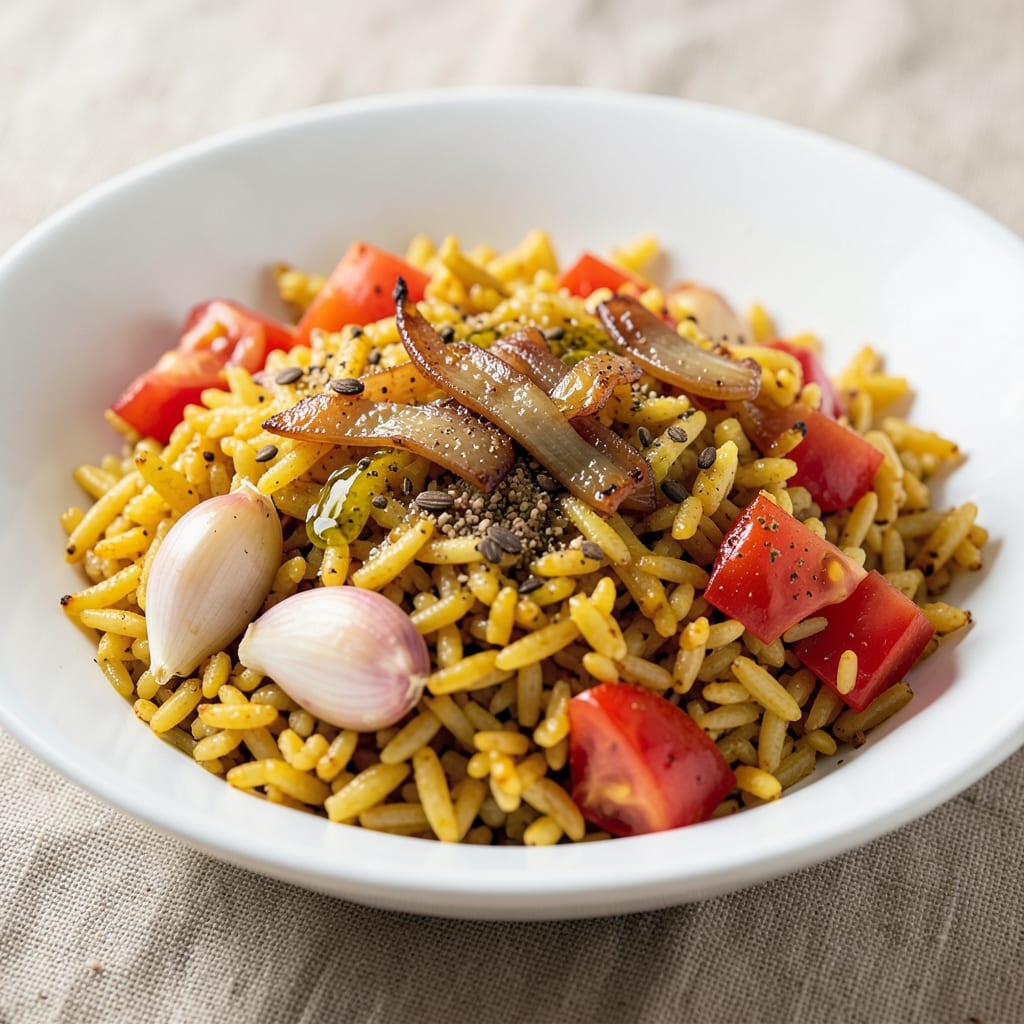
This African yellow rice recipe transforms simple basmati rice into a vibrant, aromatic side dish with deep golden hues and nutty undertones. The secret lies in toasting whole spices—turmeric, thyme, and curry—until their oils perfume the air, creating a fragrant base for the rice. Unlike traditional yellow rice, this version incorporates toasted peanuts for an unexpected crunch that elevates every bite, making it a standout dish for family dinners or special occasions.
The process is straightforward yet transformative: parboil the rice, then simmer it in a rich broth infused with toasted spices, tomatoes, and onions until tender and infused with golden color. The turmeric not only adds vibrant color but also imparts an earthy warmth that pairs beautifully with proteins like chicken, fish, or even grilled vegetables. This method ensures the rice stays separate and fluffy, with each grain absorbing the aromatic flavors without becoming mushy.
What sets this recipe apart is the toasted peanut crunch—a technique inspired by West African cuisine that adds texture and depth. The peanuts are lightly toasted and sprinkled over the finished rice, creating a delightful contrast between the soft, spiced grains and their crispy, nutty topping. The result is a dish that’s as visually striking as it is flavorful, perfect for those who appreciate bold, complex flavors with a touch of sophistication.
Whether you're serving it alongside grilled meats or using it as a base for a hearty stew, this African yellow rice delivers restaurant-quality results with minimal effort. The key lies in patience—allowing the spices to toast fully and the rice to simmer just until tender ensures the best possible outcome. Ready to elevate your rice game? Let’s get started.
Ingredients for african yellow rice
Simple ingredients that deliver vibrant flavor and nutty crunch for your African-inspired meal.
| Ingredient | Amount | Notes |
|---|---|---|
| Long-Grain Basmati Rice 🍚 | 1 ½ cups | Uncooked, rinsed thoroughly |
| Ground Turmeric 🌿 | 1 ½ tsp | Freshly ground preferred |
| Ground Cumin 🌿 | 1 tsp | Toasted for deeper flavor |
| Ground Coriander 🌿 | 1 tsp | Freshly ground if possible |
| Yellow Onion 🧅 | 1 whole | Medium size, finely chopped |
| Fresh Garlic Cloves 🧄 | 4 cloves | Peeled, minced finely |
| Dried Thyme 🌿 | 1 tsp | Or 1 tbsp fresh thyme |
| Ground Curry Powder 🌶️ | 1 tsp | Mild to medium heat |
| Canned Diced Tomatoes 🍅 | 1 can | 14.5 oz, no salt added |
| Vegetable Broth 💧 | 2 cups | Low-sodium preferred |
| Raw Peanuts 🥜 | ½ cup | Unsalted, whole or halves |
| Olive Oil 🫒 | 2 tbsp | Extra-virgin for richness |
| Salt 🧂 | 1 tsp | Kosher or sea salt |
| Black Pepper 🌶️ | ½ tsp | Freshly ground preferred |
The spices are where the magic happens. Penzeys or bulk bins at Whole Foods are great for fresh, toasted spices—look for ground turmeric and curry powder with vibrant color, not dull powder. The peanuts should be raw and unsalted; Trader Joe's or Costco often have the best prices in bulk. Fresh thyme is ideal, but dried works in a pinch—just double the amount. For the onions, yellow with a crisp texture gives the best flavor when caramelized. Avoid red onions here—they add bitterness that doesn't complement the dish.
No fresh thyme? Dried thyme at twice the amount works fine. Short on curry powder? Mix equal parts turmeric, cumin, and coriander for a homemade blend. The peanuts can be substituted with cashews or almonds if you prefer, but peanuts have that classic West African touch. For the tomatoes, San Marzano cans are ideal, but any no-salt-added brand will do. The vegetable broth can be swapped for chicken broth if vegetarian isn't required, though this keeps it fully plant-based.
Store uncooked spices in airtight containers away from light for up to 6 months. Toasted peanuts keep for 3 months in the pantry, but they're best used fresh. Once cooked, the rice reheats beautifully—just add a splash of water and cover. For extra flavor, portion into containers with a layer of peanuts on top so each serving gets that crunch. The dish holds well for 4 days in the fridge, though the texture is best within the first two days.
Why You'll Love This Recipe
- One-Pot Magic: I swear by this recipe when I’m too tired to wash a second pot. Just sauté the onions, toast the spices—cumin, coriander, turmeric—and dump in the rice with broth. Twenty minutes later, golden perfection without the cleanup.
- Golden Spice Bomb: That turmeric-cumin-corriander trio? It’s like sunshine in a bowl. The rice soaks up the earthy warmth while staying fluffy, and the onions caramelize just enough to add depth. Honestly, I’ve made it plain before, and it still wins.
- Weeknight to Dinner Party: Same rice, endless uses. Serve it alongside grilled chicken for a weeknight dinner or pair it with slow-cooked stews for a gathering. The bright yellow color makes any plate look intentional—even when I’m winging it.
- Budget-Friendly Staple: A pound of basmati and a spice blend cost pennies, and this stretches to feed four (or three hungry teens). Leftovers reheat like a dream, and I’ve even frozen portions for lazy Mondays. My wallet and future self thank me.
Step-by-step instructions for African yellow rice
This method delivers vibrant, aromatic rice with a perfect balance of spice and nutty crunch.
Toast the Spices and Aromatics
Heat the 2 tablespoons olive oil in a medium saucepan over medium heat. Add the 1 whole yellow onion and cook for 5-6 minutes until softened and translucent. Add the 4 cloves fresh garlic cloves and cook for 30 seconds until fragrant.
Reduce heat to medium-low and add the 1.5 teaspoons ground turmeric, 1 teaspoon ground cumin, 1 teaspoon ground coriander, 1 teaspoon dried thyme, and 1 teaspoon ground curry powder. Stir constantly for 1-2 minutes until the spices release their aromatic oils and the mixture smells deeply earthy. This step develops the rich, golden color and complex flavor profile of the dish. If the spices darken too quickly, reduce heat immediately to prevent burning.
Sauté the Tomatoes and Build the Base
Add the 1 can canned diced tomatoes (with juices) to the spice mixture and cook for 3-4 minutes until the tomatoes begin to break down and the liquid reduces slightly. Stir in the 2 cups vegetable broth and bring to a gentle simmer. Season with the 1 teaspoon salt and 0.5 teaspoon black pepper, then taste to adjust seasoning—this is your flavor foundation.
Rinse the 1.5 cups long-grain basmati rice thoroughly under cold water until the water runs clear, then drain well. Add the rice to the simmering liquid and stir gently to combine. The rice should be fully submerged in the liquid—if not, add a splash of water. Bring to a boil, then immediately reduce heat to low, cover tightly with a lid, and simmer for 15 minutes without disturbing. This initial cooking allows the rice to absorb the flavorful liquid before the final steaming step.
Steam the Rice to Perfection
After 15 minutes, remove the lid and fluff the rice gently with a fork. Add ½ cup fresh water (or enough to just cover the rice) and return to a simmer. Cover and cook for another 10-12 minutes until the rice is tender and the liquid is fully absorbed. You'll know it's ready when the rice grains are separate, fluffy, and the bottom of the pot has a light crust—this indicates proper doneness. If the rice feels undercooked, continue steaming for 2-3 minutes more.
Turn off the heat and let the rice sit covered for 5 minutes. This resting period allows the steam to redistribute and the grains to plump fully. The rice should have a vibrant yellow hue from the turmeric and a delicate, aromatic fragrance that fills your kitchen.
Toast the Peanuts and Finish
While the rice rests, heat a dry skillet over medium heat and add the 0.5 cup raw peanuts. Toast for 3-4 minutes, stirring constantly, until the peanuts turn a rich golden brown and release their nutty aroma. Remove from heat immediately to prevent burning. Let cool for 1 minute, then roughly chop the peanuts with a knife or pulse briefly in a food processor for a textured crunch.
Gently fold the toasted peanuts into the finished rice and serve immediately. The contrast of warm, spiced rice with the cool crunch of peanuts creates the perfect balance of textures and flavors. This dish pairs beautifully with grilled meats, curries, or as a standalone vegetarian centerpiece.
Pro Tips For Making African Yellow Rice
- Toast the Spices First: The moment you add ground turmeric, cumin, and coriander to the pot, they’ll just sit there like wallflowers if you don’t wake them up. Heat them in the oil for 30 seconds until fragrant—this unlocks their flavor instead of letting them taste like dust.
- Use Cold Water for Rice: I know it’s tempting to grab the boiling water, but trust me: cold water prevents mushy rice. Rinse the basmati first, then use cold water (1:1.5 rice-to-water ratio) and bring it to a boil. The grains stay firm, and the yellow hue stays vibrant.
- Don’t Overcrowd the Pot: Stuffing too much rice in the pan means uneven cooking and sad, clumpy grains. Use a wide pot and spread the rice out in a single layer before adding water. If you’re feeding a crowd, cook in batches—your rice will thank you.
- Sauté the Onions Slowly: African yellow rice needs onions that caramelize just enough to deepen the flavor without burning. Cook them on medium-low heat for 8-10 minutes, stirring often, until soft and golden—not crispy, not raw. Patience here makes the difference.
Regional styles of these flavors
West African Jollof Rice Style
In Ghana and Nigeria, yellow rice often takes on a bolder, tomato-heavy profile known as Jollof. For this variation, increase the canned diced tomatoes to 2 cans and add 1 red bell pepper (diced) to the spice base. Cook the tomatoes down into a thick paste before adding broth, and stir in 1 tablespoon tomato paste for deeper color. The result is a richer, slightly tangy rice that pairs perfectly with fried plantains or grilled chicken. 🌶️
Senegalese Thieboudienne Twist
Senegalese cuisine transforms yellow rice into Thieboudienne, a fish and rice dish where the rice is cooked in fish stock. Replace the vegetable broth with 2 cups fish stock (or chicken broth) and add 1 pound firm white fish (like cod or tilapia) after the rice is fully cooked. Let the fish poach in the rice for 8-10 minutes until flaky, then serve with a side of mango chutney for brightness. The peanuts remain a key crunch element, tying the dish to West African traditions.
Ethiopian Misir Wot-Inspired
For an Ethiopian-inspired version, swap the peanuts for toasted sesame seeds (2 tbsp) and add 1 tsp berbere spice (or a mix of ½ tsp cayenne + ½ tsp smoked paprika) to the spice blend. Use 1 cup red lentils (cooked separately) mixed into the rice for texture. Serve with injera flatbread and a side of spiced red lentil stew (misir wot). The turmeric’s golden hue remains, but the dish gains a fiery, earthy depth characteristic of Ethiopian cuisine. 💫
Moroccan-Spiced Variation
Infuse the rice with Moroccan flavors by adding 1 tsp ground cumin, ½ tsp ground ginger, and ½ tsp cinnamon to the spice blend. Replace the peanuts with toasted almonds and finish with a drizzle of honey (1 tbsp) and a sprinkle of preserved lemon zest. This version works beautifully as a side for tagine or grilled lamb. The spices create a warm, slightly sweet contrast to the nutty crunch, blending North and West African influences seamlessly.
Caribbean-Inspired Fusion
Bring Caribbean flair to your yellow rice by adding 1 scotch bonnet pepper (seeds removed, finely chopped) to the spice base and 1 cup coconut milk to the broth. Stir in ½ cup diced pineapple during the final simmer for a touch of sweetness. Top with toasted coconut flakes instead of peanuts, and serve with jerk chicken or grilled shrimp. The turmeric’s golden hue shines alongside the tropical notes, creating a fusion dish that’s both vibrant and bold.
Nutrition facts
Frequently asked questions
Why does my African yellow rice turn out mushy instead of fluffy? Mushy rice usually happens when you stir it too much during cooking or don't let it rest after cooking. The key is to only stir once after adding the rice to the broth, then let it steam undisturbed. Also,
Can I make this recipe without peanuts?
While peanuts add that signature West African crunch, you can substitute with toasted cashews, almonds, or even pumpkin seeds for a different texture. For a seed-free version, try adding toasted sesame seeds (2 tbsp) or a sprinkle of fried shallots for extra flavor. Just adjust the quantity to maintain the same crunchy contrast.
How do I make this dish more flavorful if my spices are old?
Freshly toasted spices make all the difference! If your spices are past their prime, try this trick: toast whole spices (like cumin seeds, coriander seeds, and cardamom pods) in a dry pan for 2 minutes until fragrant, then grind them fresh. For ground spices, lightly toast them in the pan for 30 seconds before adding to the oil. This reactivates their flavors and makes your rice taste vibrant again!
What's the best way to store leftovers?
Store cooked African yellow rice in an airtight container in the fridge for up to 4 days. To reheat, sprinkle a little water or broth over the rice, cover, and microwave for 1-2 minutes until heated through. For best texture, avoid reheating more than once. Pro tip: Store the peanuts separately and sprinkle fresh when serving to maintain that perfect crunch!
Can I make this recipe in an Instant Pot or rice cooker?
Yes! For an Instant Pot, follow the same steps but use the high pressure setting for 4 minutes after adding the rice. Let the pressure release naturally for 10 minutes, then fluff the rice. For a rice cooker, use the same cooking method but check the rice 5 minutes early—it may finish faster due to the sealed environment. Toast the peanuts separately as directed in the original recipe.