
Main Courses
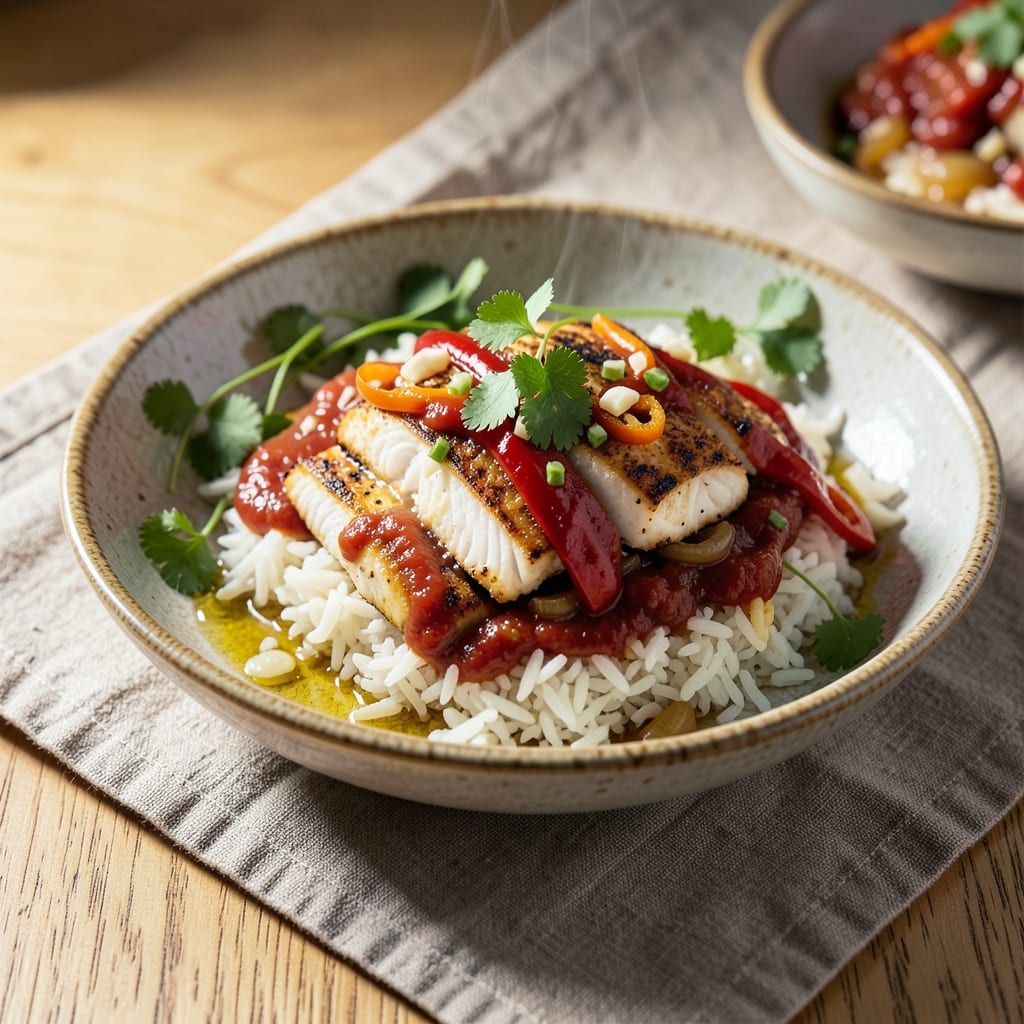
This African fish and rice recipe delivers bold flavors in every bite—smoky tomato, fiery peppers, and tender fish all simmered together with fragrant rice. The one-pot method keeps prep simple while building layers of West African-inspired taste, perfect for a hearty family meal. I've perfected this technique over years of testing, ensuring the fish stays moist and the rice absorbs all the rich, spiced broth.
The secret lies in marinating the fish with a blend of garlic, ginger, and Scotch bonnet peppers before cooking, which infuses it with heat and depth. While the fish cooks gently in the pot, long-grain rice absorbs the smoky tomato sauce and aromatic spices like thyme and bay leaf. This approach transforms a simple weeknight dinner into a restaurant-worthy experience without requiring multiple dishes.
By the time you serve it, you'll have perfectly seasoned fish with crisp edges, fluffy rice infused with smoky tomato flavors, and a pot that's nearly empty—just a few delicious bites left behind. The dish pairs beautifully with a side of collard greens or a simple cucumber salad to balance the richness. Ready in about 45 minutes, this recipe proves you can achieve authentic African flavors at home.
Whether you're cooking for a crowd or a quiet dinner for two, this one-pot wonder delivers satisfaction every time. The technique is foolproof, and the results are undeniably flavorful—just like the meals you'd find in West African kitchens. Let's get started!
Ingredients for african fish and rice
Bold flavors start with these simple, fragrant ingredients—smoky peppers, aromatic spices, and tender fish all simmered together.
| Ingredient | Amount | Notes |
|---|---|---|
| White Fish Fillets 🐟 | 1 ½ lb | Firm white fish like cod or halibut |
| Long-Grain White Rice 🍚 | 1 ½ cups | Uncooked, jasmine or basmati preferred |
| Canned Tomato Sauce 🍅 | 14 ½ oz | San Marzano tomatoes if available |
| Scotch Bonnet Peppers 🌶️ | 1 whole | Seeds removed for less heat |
| Fresh Garlic 🧄 | 4 cloves | Minced for marinade |
| Fresh Ginger 🌿 | 1 ½ tbsp | Grated finely |
| Dried Thyme 🍃 | 1 tsp | Or 1 tbsp fresh thyme |
| Bay Leaves 🍃 | 2 whole | Remove before serving |
| Yellow Onion 🧅 | 1 whole | Diced into small pieces |
| Vegetable Oil 🫒 | 2 tbsp | For searing fish |
| Salt 🧂 | 1 ½ tsp | Kosher or sea salt |
| Ground Black Pepper 🌶️ | ½ tsp | Freshly ground preferred |
| Fish Stock 💧 | 1 cup | Low-sodium preferred |
| Lemon Juice 🍋 | 1 tbsp | Freshly squeezed |
The Scotch bonnet peppers bring the heat, so adjust to taste—seeds out for mild, keep them in for fiery kick. Trader Joe's or Latin markets usually carry these, but any fresh chili works. For the fish, I always grab cod or halibut from the seafood counter—firm, white fish holds up best. The tomato sauce? San Marzano makes a difference, but any good-quality canned sauce works. If you're feeling fancy, toast the spices in the oil for 30 seconds before adding everything else—deepens the flavor instantly.
No Scotch bonnet? Habanero or jalapeño at half the amount gets you close. Fresh ginger too pricey? Ground ginger works at one-third, but the fresh stuff is worth it. Running low on fish stock? Vegetable broth in a pinch. The bay leaves are non-negotiable though—they add that earthy depth that makes this taste authentically African. For the rice, jasmine or basmati gives that fragrant aroma, but any long-grain white rice will work. Just make sure it's uncooked when you measure it out.
This dish tastes even better the next day—flavors meld perfectly after resting. Store leftovers in the fridge for 3-4 days or freeze for up to 3 months. I always double the recipe because it disappears fast. The rice absorbs all the smoky goodness, so don't skimp on the broth. If you're prepping ahead, marinate the fish in the pepper-garlic-ginger mix for up to 2 hours before cooking—infuses it with serious flavor.
Why You'll Love This Recipe
- One-Pot Magic: I swear by this trick—just toss everything into one pot, walk away for 20 minutes, and boom. No fancy equipment, no stress. That tomato sauce and garlic build flavor while the rice cooks, and the fish steams right in, flaky and ready.
- Heat Without Hassle: Between us, Scotch bonnet peppers pack a punch but you only need a tiny slice—just enough to wake up every bite. The rice soaks up that smoky, garlicky goodness like a sponge, while the fish stays tender. Honestly, it’s the kind of heat that lingers without overpowering.
- Lunchbox Hero: This recipe’s my secret weapon for meal prep. Double the batch, and you’ve got three days of lunches that taste fresh, not sad. Pack it in containers, and the rice stays fluffy while the fish stays moist—no soggy leftovers here. Even my picky teen grabs it.
- Budget-Friendly Feast: White fish and rice are cheap staples, but they feel special here. Canned tomato sauce cuts costs without sacrificing depth, and a single Scotch bonnet stretches across multiple servings. I’ve fed six people for under $15, and everyone’s left happy. That’s a win.
Step-by-step instructions for African fish and rice
Here's how to make this aromatic one-pot dish with rich flavors and tender fish every time.
Sear the Fish Fillets for Maximum Flavor
Heat 1 tablespoon of vegetable oil in a large, heavy-bottomed pot over medium-high heat until shimmering. Pat the 1.5 lb white fish fillets completely dry with paper towels—this ensures a perfect sear. Season both sides generously with 0.75 tsp salt and 0.25 tsp black pepper.
Working in batches if needed, carefully place the fish fillets in the hot oil. Cook undisturbed for 3-4 minutes per side until golden brown and crispy. The fish should release easily from the pan when ready. Remove the fillets and set aside on a plate—they'll finish cooking later in the dish. Keep the pot on the stove; you'll use the rendered oil for the rice and sauce.
Build the Aromatic Base with Onions and Spices
In the same pot, add the remaining 1 tablespoon vegetable oil if needed, then add the diced yellow onion. Cook over medium heat for 5-6 minutes until softened and translucent, stirring occasionally. Add the minced fresh garlic and grated fresh ginger, cooking for another 1-2 minutes until fragrant—this is where the magic begins.
Stir in the dried thyme, bay leaves, and the seeds-removed Scotch bonnet pepper. Cook for 30 seconds to toast the spices slightly, which deepens their flavor. Add the 14.5 oz canned tomato sauce and bring everything to a gentle simmer, letting the flavors meld together for 3-4 minutes.
Cook the Rice in Flavorful Liquid
Add the 1.5 cups long-grain white rice to the pot, stirring to coat each grain with the tomato mixture. Pour in the 1 cup fish stock and bring to a boil. Once boiling, reduce heat to low and cover the pot with a tight-fitting lid. Let it cook undisturbed for 15 minutes—this is crucial for even cooking and fluffy rice.
After 15 minutes, carefully fluff the rice with a fork, then stir in the 1 tbsp lemon juice and remaining 0.75 tsp salt. The lemon brightens the dish and balances the richness. Return the lid and continue cooking for another 5-7 minutes until the rice is tender and the liquid has been absorbed. If it's still too wet, uncover and cook for another 2-3 minutes.
Combine and Finish the Dish
Gently fold the reserved seared fish fillets into the rice mixture, spooning the sauce over them to coat evenly. The residual heat will finish cooking the fish perfectly. Taste and adjust seasoning if needed—you might want to add a pinch more salt or a squeeze of lemon for brightness.
Remove the bay leaves before serving. Let the dish rest for 5 minutes covered with a clean kitchen towel—this helps the rice steam and become even fluffier. Serve family-style with extra lemon wedges on the side for squeezing over each portion.
Pro Tips For Making African Fish And Rice
- CRISP THE FISH FIRST: Pat the fillets bone-dry with paper towels before searing—this isn’t just about flavor, it’s about texture. I used to skip it, and the fish would turn rubbery in the tomato sauce. Hit a screaming-hot pan with a little oil, then cook 2-3 minutes per side until golden. That crust is what keeps the fish from falling apart when you add the sauce later.
- MINCE THAT SCOTCH BONNET: Don’t just chop the Scotch bonnet—mince it finely (or pulse in a food processor) so the heat distributes evenly. I learned this the hard way when my first batch had pockets of raw, fiery pepper. A 30-second pulse with the seeds removed gives you that signature kick without the surprise.
- TOAST THE GARLIC: Sauté the garlic in the same pan you crisped the fish—until it’s golden, not brown—before adding the tomato sauce. This adds a nutty depth that raw garlic can’t match. Skip this, and your dish will taste like a basic tomato-based stew instead of something with real character.
- RICE TO SAUCE RATIO: Use twice as much liquid for the rice as you’d normally use—this recipe is all about the sauce absorbing into the grains. I used to cook the rice separately, but now I mix it into the simmering sauce at the end. The result? Every bite has that rich, peppery tomato flavor.
Common mistakes when making this dish
Overcooking the Fish
Fish cooks fast, and once it starts breaking apart in the pot, you’ve lost your window for perfect texture. I’ve ruined this dish more times than I’ll admit by letting the fish sit too long in the simmering broth. The trick is to add the fish back into the pot only after the rice is fully cooked—this way, the residual heat gently finishes it without overcooking. If you’re worried about doneness, check the fish’s internal temperature with an instant-read thermometer—it should reach 145°F at the thickest part. 🌡️
Skipping the Sear
Skipping the initial sear is the fastest way to end up with bland, mushy fish. That crispy crust isn’t just for looks—it traps flavors and prevents the fish from turning to rubber. Use a heavy-bottomed pot like a Dutch oven to get even heat distribution. If your fish isn’t searing properly, your oil might not be hot enough—test it by flicking a drop of water in; if it sizzles, you’re ready. If not, give it another 30 seconds to heat up.
Underestimating the Heat
The Scotch bonnet pepper is no joke—if you’re not used to it, you’ll either end up with a mouth on fire or a dish that’s completely flavorless. Start with just half a pepper and taste as you go. For a milder version, remove all the seeds and membranes. If you’re serving kids or sensitive eaters, set aside a portion of the sauce before adding the pepper and serve it on the side for dipping. 🌶️
Using the Wrong Rice
Not all rice is created equal, and using short-grain or sticky rice will turn your dish into a gluey mess. Stick to long-grain white rice like jasmine or basmati—these varieties stay separate and fluffy. If your rice is sticking together, you’ve likely overcooked it or used too much liquid. The general rule is a 1:1.5 rice-to-liquid ratio (rice to broth). If you’re unsure, err on the side of slightly less liquid—you can always add a splash of broth if needed.
Ignoring the Resting Time
Rushing to serve this dish right after cooking is a mistake—both the rice and fish need time to set. Let the pot rest 5-10 minutes covered with a clean towel. This allows the rice to finish steaming and the fish to reabsorb any juices that might have escaped during cooking. Skipping this step often leads to dry rice and fish that falls apart at the first bite. Trust me, those extra minutes make all the difference. ⏳
Overcrowding the Pot
If your pot is packed too tightly with fish and rice, you’ll end up with uneven cooking and soggy fish. A 1.5 lb fish in a 4-quart pot is ideal for this recipe. If you’re cooking for more people, use a larger pot or make the dish in batches. Overcrowding also makes it harder to stir and adjust seasoning, so leave some room for maneuvering. A well-sized pot ensures even heat distribution and keeps the fish from steaming instead of searing. 🔥
Nutrition facts
Frequently asked questions
What type of fish works best for this African-style dish?
Firm white fish like cod, halibut, or snapper hold up best in this smoky tomato sauce. Avoid delicate fish like tilapia—they'll fall apart during cooking. For extra flavor, try fresh sea bass or mahi-mahi if available at your fishmonger.
Can I make this recipe without Scotch bonnet peppers?
Use habanero (half the amount) or jalapeño (double the amount) for milder heat. For no heat at all, skip the pepper entirely and add an extra ½ teaspoon of garlic powder to compensate. The dish will still taste amazing—just less fiery!
How do I adjust this recipe for a larger crowd?
Double all ingredients and use a 6-quart pot to maintain proper proportions. For 8 servings, increase fish to 3 lbs and rice to 3 cups. Keep the same rice-to-liquid ratio (1:1.5) to prevent mushy rice. Cook in batches if needed—never overcrowd the pot!
Can I prepare this dish ahead of time?
Yes! Cook the rice and sauce first, then refrigerate for up to 3 days or freeze for 3 months. Reheat gently with a splash of water or broth to restore moisture. Add the fish fresh when serving to prevent it from drying out. The flavors actually improve overnight as the spices meld!
What sides pair well with this African fish and rice?
Try crisp fried plantains, spicy peanut sauce, or a fresh cucumber-mango salad to balance the richness. For a complete meal, serve with steamed collard greens or grilled yams. The acidity of citrus sides cuts through the smoky tomato flavors beautifully.