
Main Courses
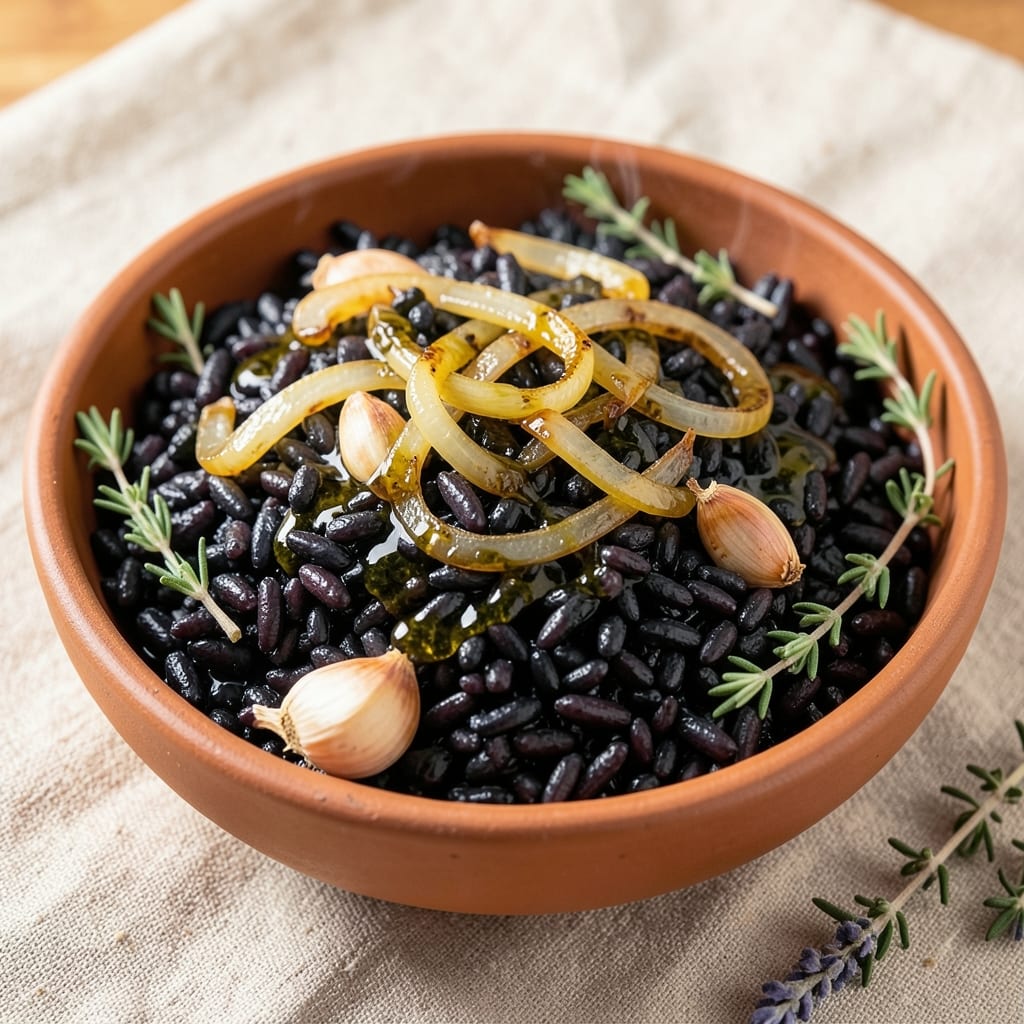
This African black rice recipe transforms ordinary meals into vibrant, nutrient-packed dishes with its deep purple hue and nutty, earthy flavor. Unlike white or brown rice, black rice—often called forbidden rice—contains anthocyanins, powerful antioxidants that give it both its striking color and health benefits. The key to unlocking its full potential lies in proper soaking and cooking methods that preserve its texture and depth of flavor. What sets this recipe apart is its versatility—whether you're preparing a traditional West African pilaf, a Caribbean coconut-infused dish, or a fusion meal with proteins like chicken or fish. The rice absorbs flavors beautifully, making it the perfect base for bold spices, fresh herbs, and aromatic vegetables. The result is a dish that's as visually stunning as it is delicious, with each bite offering a satisfying chew and rich, nutty undertones. For this recipe, we'll focus on a foolproof boiling method that yields perfectly tender grains with a slight bite, ideal for pairing with grilled meats, roasted vegetables, or a tangy tomato-based sauce. The process is simple but requires attention to soaking times and water ratios to avoid mushy rice. Trust me, once you try this recipe, you'll never go back to ordinary rice again. The best part? This dish scales effortlessly for gatherings, meal prep, or a special dinner. Let's get started on creating a meal that's as impressive to look at as it is to eat.
Ingredients for african black rice
Here's what you need to create this stunning African black rice dish with deep purple hues.
| Ingredient | Amount | Notes |
|---|---|---|
| Black Rice (Forbidden Rice) 🍚 | 1 cup | Uncooked, rinsed thoroughly |
| Water 💧 | 2 ½ cups | Filtered preferred for best flavor |
| Olive Oil 🫒 | 1 tbsp | Extra-virgin for richness |
| Yellow Onion 🧅 | 1 whole | Medium size, finely chopped |
| Garlic Cloves 🧄 | 4 cloves | Fresh, minced finely |
| Dried Thyme 🌿 | 1 tsp | Or 1 tbsp fresh thyme |
| Ground Cumin 🌿 | ½ tsp | Toasted for deeper flavor |
| Salt 🧂 | 1 tsp | Kosher or sea salt |
| Black Pepper 🌶️ | ½ tsp | Freshly ground preferred |
| Fresh Tomato 🍅 | 1 whole | Medium, diced (optional) |
| Fresh Parsley 🌿 | ¼ cup | Chopped, for garnish |
| Lemon Juice 🍋 | 1 tbsp | Freshly squeezed |
| Chicken or Vegetable Broth 🍲 | 1 cup | Low-sodium preferred |
The black rice is the star—look for it in the international or bulk section at stores like Whole Foods or Trader Joe's. It's pricier than regular rice, so buy just what you need. The key is rinsing it thoroughly to remove excess starch (that's why it's often called forbidden rice—it was reserved for royalty!). For extra flavor, toast the rice in olive oil for 2 minutes before cooking. The onion and garlic are your flavor base—don't skip the toasting step—it builds so much depth.
No fresh thyme? Dried works at one-third the amount. The tomato is optional but adds brightness—heirloom varieties taste best if you've got them. Want more richness? Swap half the water for coconut milk. The lemon juice at the end is non-negotiable—it cuts through the earthiness and makes the purple color pop. For a protein boost, add grilled chicken or shrimp after cooking. The parsley isn't just for looks—it adds freshness that balances the nutty rice.
This rice reheats beautifully—just add a splash of water or broth. Keeps for 4-5 days in the fridge, freezes for 3 months. I always make double batches because it's perfect for meal prep. Store in an airtight container with a damp paper towel to keep it moist. The color actually gets more vibrant as it cools, so it's great for make-ahead dishes.
Why You'll Love This Recipe
- No-Fuss Stovetop: I swear by this—just rice, water, and a splash of olive oil. No fancy gadgets, no stress. The black rice soaks up the garlic and onion like a sponge, turning into something rich and fragrant without a single step feeling tedious.
- Umami Bomb: That deep, earthy flavor from the black rice? It’s like a secret weapon. The garlic sizzles in olive oil until it’s golden and sweet, then the onions caramelize just enough to make every bite taste like it’s been simmering for hours. (Between us, it’s the kind of dish that makes you want to close your eyes mid-chew.)
- Pot Luck Hero: Honestly, this rice is my go-to for potlucks, game days, or when my in-laws drop by unannounced. It’s neutral enough to pair with anything—grilled chicken, spicy stews, even just a sprinkle of salt and lemon—but still bold enough to stand alone. My husband’s picky mom actually asked for seconds.
- Budget Magic: A single cup of black rice stretches to feed four, and the rest? It reheats like a dream. I’ve had it cold in salads, warm with fried eggs, or straight from the pot with a drizzle of olive oil. Plus, the ingredients cost less than half what a takeout meal would, and it’s way more satisfying. (Yes, even on a Tuesday night.)
Step-by-step instructions for cooking African black rice
This vibrant dish transforms simple ingredients into a flavorful, nutty masterpiece with deep purple hues.
Rinse and Toast the Black Rice
Start by rinsing the 1 cup black rice (forbidden rice) under cold water in a fine-mesh strainer until the water runs clear. This removes excess starch that can make the rice gummy. I like to do this over the sink—it's easier to handle than a colander and keeps your counter clean.
Transfer the rinsed rice to a medium saucepan and toast it over medium heat for 2-3 minutes, stirring constantly. You'll see the rice darken slightly and smell its nutty aroma—this step enhances the flavor and prevents mushiness. Don't walk away; black rice burns quickly once it starts to brown.
Sauté Aromatics in Olive Oil
Add the 1 tablespoon olive oil to the same saucepan over medium heat. Once the oil shimmers, add the finely chopped 1 whole yellow onion and cook for 5 minutes until soft and translucent. I press down gently on the onions with a wooden spoon to ensure even cooking.
Add the 4 minced garlic cloves and cook for another 30 seconds until fragrant. Here's the thing—garlic burns in seconds, so watch it closely. You'll know it's ready when the raw garlic smell disappears and you're left with a sweet, nutty aroma. Immediately add the 1 teaspoon dried thyme and 0.5 teaspoon ground cumin, stirring to combine.
Cook the Rice with Broth and Seasonings
Pour in the 2.5 cups water and bring to a boil. Once boiling, add the 1 cup chicken or vegetable broth, 1 teaspoon salt, and 0.5 teaspoon black pepper. Stir well, then add the rinsed black rice. Reduce heat to low and cover the pan with a tight-fitting lid.
Simmer for 35-40 minutes until all the liquid is absorbed and the rice is tender. I check at the 30-minute mark—if you see liquid remaining, cover and cook another 5 minutes. The rice should be fluffy with a slight bite, not mushy. If it's still firm at 40 minutes, add 2 tablespoons water and cook another 5 minutes.
Finish with Tomato and Lemon
Once the rice is cooked, remove from heat and let it sit covered for 5 minutes. This resting period allows the steam to redistribute and the rice to plump up. Then, stir in the diced 1 whole fresh tomato (if using) and 1 tablespoon freshly squeezed lemon juice. The acidity brightens the dish and cuts through the richness.
Finally, sprinkle with the chopped 0.25 cup fresh parsley and give it one last gentle stir. The parsley adds freshness and a pop of color that makes the dish look as good as it tastes. Taste and adjust seasoning—you might need a pinch more salt or a squeeze of lemon to balance the flavors.
Pro Tips For Making African Black Rice
- TOAST THE RICE FIRST: Black rice has a tough little exterior that refuses to soften properly if you skip this. Heat a dry pan over medium-high, add the unwashed rice, and stir for 3-4 minutes until it smells nutty and the edges look slightly charred—this breaks down the hull and guarantees even cooking later. (Yes, it’s an extra step, but your rice will actually be tender, not chewy.)
- SOAK THE ONIONS: Thinly sliced onions in olive oil will turn bitter if you rush them. Toss your chopped onions in cold water for 10 minutes before cooking to mellow their sharpness, then drain and pat dry. I learned this the hard way—my first batch of African black rice tasted like onion soup gone wrong.
- LOW AND SLOW WITH LID: Once the rice is simmering in water, drop the heat to the lowest setting possible and keep that lid on tight. I used to think "medium heat" was fine, but the rice would either burn or stay crunchy. Let it steam gently for 35-40 minutes—no peeking, no stirring—until the water’s fully absorbed. (Your future self will thank you.)
- GARLIC AFTER COOKING: Crush your garlic cloves after the rice is done, then toss them in with a splash of olive oil and a pinch of salt. The heat from the rice will infuse the garlic with that deep, toasty flavor without burning it. I was skeptical until I tried it—now it’s non-negotiable.
Essential equipment for african black rice
Rice Pot Essentials
For perfect black rice, a heavy-bottomed pot with a tight-fitting lid is non-negotiable. I swear by my Le Creuset Dutch oven—it distributes heat evenly and prevents scorching. If you don’t have one, a stainless steel saucepan with a lid works too. The key is keeping the lid on tight during cooking to trap steam and develop flavor. 🍚
Fine-Mesh Strainer
Rinsing black rice thoroughly is crucial, and a fine-mesh strainer makes this step a breeze. I use my OXO Good Grips because it’s sturdy and won’t clog with rice residue. Avoid plastic strainers—they can degrade with frequent use. Place it over the sink to avoid spills, and rinse until the water runs clear.
Wooden Spoon
A wooden spoon is your best friend for stirring and toasting the rice. Metal spoons can scratch nonstick pans, and plastic melts under high heat. My Ozeri Touch Wooden Spoon has a comfortable handle and won’t warp. Use it to press down onions and stir constantly while toasting the rice to prevent burning. 🔥
Digital Thermometer
While not mandatory, a digital thermometer helps ensure your rice reaches the perfect temperature. I use the Thermoworks Thermapen to check the internal temp of the rice—aim for 195-200°F for tender grains. It’s especially useful if you’re cooking for a crowd or adjusting for high altitudes.
Chef’s Knife & Cutting Board
Sharp tools make prep faster and safer. A chef’s knife (like the Wüsthof Ikon) and a cutting board (I love my Teakha bamboo board) are essential for chopping onions and garlic. Dull knives require more force, which can lead to uneven cuts and safety risks. Keep your knife sharp with a Whetstone for the best results. ✨
Steamer Basket (Optional)
If you prefer steaming over boiling, a steamer basket that fits your pot is a game-changer. I use a stainless steel basket from OXO for even heat distribution. Place it over a pot of boiling water, cover, and steam the rice for 40-45 minutes. This method preserves more nutrients and prevents overcooking.
Nutrition facts
Frequently asked questions
Why does African black rice turn purple when cooked?
The deep purple hue comes from anthocyanins, powerful antioxidants that react to heat. These pigments are what give black rice its striking color and nutty flavor. The longer you cook it, the more vibrant the color becomes—just like red cabbage turns blue when cooked with baking soda!
Can I substitute regular rice for black rice in this recipe?
Not recommended! Black rice has a unique texture and flavor that regular rice can't replicate. The nutty, slightly chewy bite is what makes this dish special. If you're short on time, try brown rice—but expect a less vibrant color and different taste. The health benefits of black rice (like higher fiber and antioxidants) make it worth seeking out.
How do I prevent my black rice from turning mushy?
Rinse it thoroughly first to remove excess starch, then toast it for 2-3 minutes before cooking. Use a 1:2.5 ratio of rice to water (not broth) for the initial cooking, and reduce heat to low once boiling. Never peek while cooking—each time you lift the lid, you release steam that prevents proper cooking. Patience is key!
What are the best proteins to pair with this black rice?
Grilled chicken or fish work beautifully with this dish's earthy flavors. For a vegetarian option, try sautéed mushrooms or tofu. The lemony brightness of the rice pairs especially well with grilled salmon or spiced lamb. Pro tip: Cook proteins separately and serve alongside the rice to prevent sogginess.
Can I make this recipe in an Instant Pot or rice cooker?
Yes! For an Instant Pot, use 1 cup rice, 1.5 cups water, and 1 cup broth. Cook on high pressure for 12 minutes, then let it natural release for 10 minutes. For rice cookers, use the same ratio as stovetop but increase cooking time by 10-15 minutes. The key is to avoid overcooking—black rice continues cooking after heat is removed.