
Main Courses
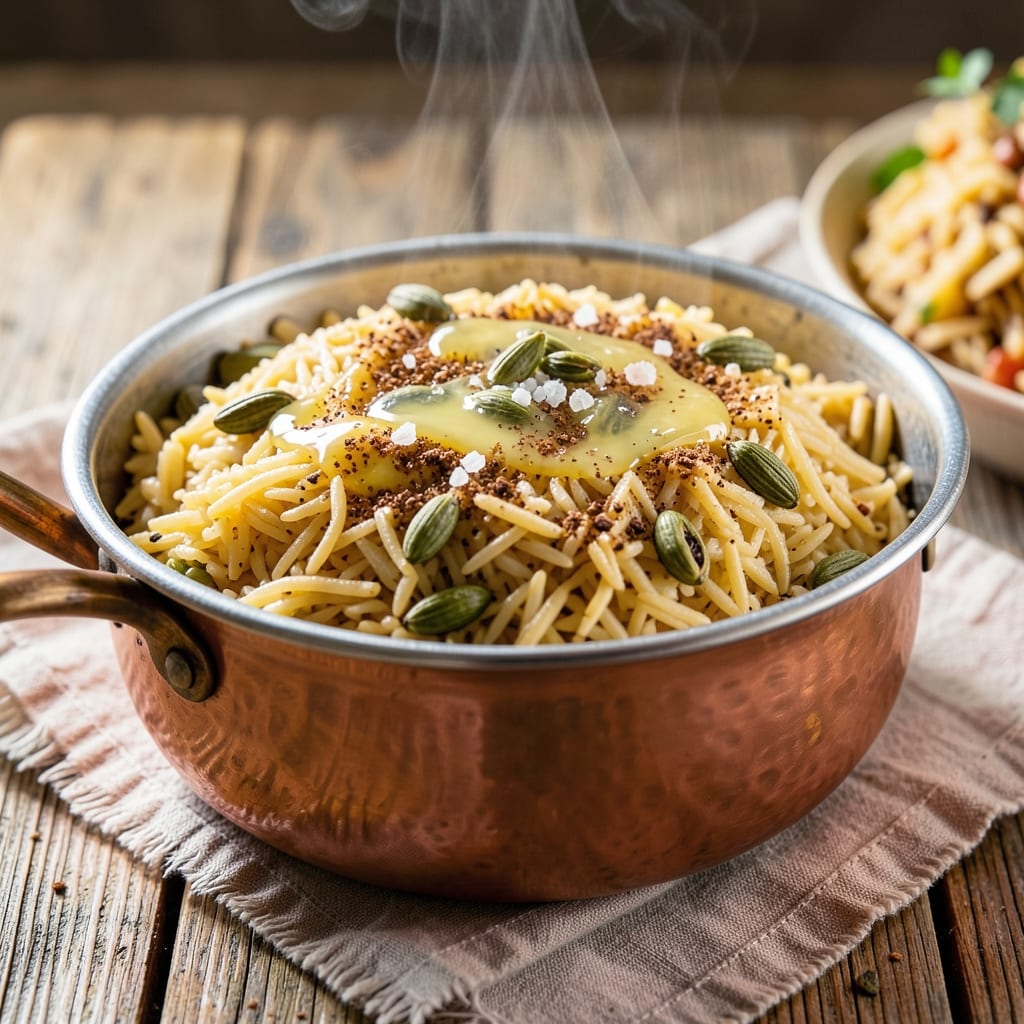
This Afghan basmati rice recipe transforms simple grains into a fragrant, golden dish that carries the heart of Afghan cuisine. The secret lies in slow-cooking basmati rice with warm spices like cardamom and cinnamon, creating layers of aromatic complexity that make every bite unforgettable. Perfect for family gatherings or special occasions, this dish delivers restaurant-quality results with just a few essential ingredients and patience.
What sets this recipe apart is the delicate balance of spices and the finishing touch of toasted almonds, which add both texture and a subtle sweetness. The rice emerges tender yet firm, infused with the earthy warmth of cumin and the bright floral notes of cardamom. Whether served as a standalone meal or paired with grilled meats and fresh vegetables, this dish brings the rich traditions of Afghan cooking to your table.
Ingredients for afghan basmati rice
Eleven ingredients create this fragrant Afghan basmati rice with cardamom warmth and almond crunch.
| Ingredient | Amount | Notes |
|---|---|---|
| Basmati Rice 🌾 | 1 ½ cups | Uncooked, long-grain preferred |
| Water 💧 | 3 cups | Room temperature preferred |
| Green Cardamom Pods 🌿 | 8 whole | Lightly crushed, seeds only |
| Ground Cinnamon 🍃 | ½ tsp | High-quality for authentic flavor |
| Ground Cumin 🌶️ | ½ tsp | Toasted for deeper aroma |
| Salt 🧂 | ¾ tsp | Diamond Crystal preferred |
| Unsalted Butter 🧈 | 2 tbsp | Cold, cubed for texture |
| Sliced Almonds 🥜 | ¼ cup | Toasted until golden |
| Fresh Cilantro 🌿 | ¼ cup | Chopped, for garnish |
| Lemon Juice 🍋 | 1 tbsp | Freshly squeezed |
| Ghee 🫒 | 1 tbsp | For extra richness |
The spices make or break this dish. Whole green cardamom pods are essential—ground loses its potency. Penzeys or Indian specialty stores carry the best quality, but any grocery store with a bulk section works. Toast your cumin seeds lightly in a dry pan before grinding for deeper flavor. The basmati rice should be long-grain and aromatic—Basmati from Lundberg or Indian brands are ideal. Skip pre-washed rice; rinse it yourself to remove excess starch for fluffier grains.
No cardamom pods? Ground cardamom at double the amount works, but texture suffers. Substitute allspice at half the amount for warmth, though flavor won't be identical. For the almonds, slivered or whole almonds toast just as well—just watch them closely to avoid burning. The ghee can be swapped for butter, but it adds a richer, nuttier depth. If you're short on time, pre-toasted almonds from the bulk section save 10 minutes of work. The cilantro is optional but adds freshness—use flat-leaf variety for better texture.
Rice keeps best in an airtight container for 3-4 days in the fridge, though flavor peaks within 24 hours. For longer storage, freeze portions for up to 3 months. Reheat gently with a splash of water to restore moisture. The toasted almonds stay crunchy for 1 week if stored in a sealed container away from light. Double the batch—this rice tastes even better the next day as flavors meld.
Why You'll Love This Recipe
- Five-Ingredient Magic: I swear by this—just rice, water, and three whole spices. No chopping, no fuss, no stress. The cardamom and cinnamon infuse the rice so effortlessly while it cooks, and honestly? That’s the kind of recipe I turn to when I’ve had enough of complicated meals.
- Warm Spice Hug: Between us, this rice tastes like a hug from your favorite aunt’s kitchen. The cardamom adds that bright, citrusy zing, while the cinnamon and cumin wrap everything in cozy, earthy warmth. It’s simple, but the flavor? Ridiculously satisfying.
- Meal Prep MVP: I make this in bulk on Sundays—it reheats perfectly for lunches all week. The spices keep it interesting even after three days, and it pairs with everything: grilled chicken, curries, even just yogurt and cucumbers for a quick lunch. No sad leftovers here.
- Budget-Friendly Luxe: Basmati rice is affordable, and these spices cost pennies. I’ve been making this for years, and it never feels like a chore or a splurge. It’s the kind of dish that makes you feel like you’re treating yourself, without breaking the bank. (Yes, even on a Tuesday night.)
Step-by-step instructions for Afghan basmati rice
Here's the method that delivers fragrant, perfectly fluffy basmati rice with authentic Afghan spices.
Toast the Spices and Prepare the Pot
In a heavy-bottomed pot, melt the 2 tablespoons unsalted butter over medium heat until it foams slightly. Add the 8 whole green cardamom pods (lightly crushed), 0.5 teaspoon ground cinnamon, and 0.5 teaspoon ground cumin. Toast for 1-2 minutes until the spices release their aroma and the butter turns a golden hue.
This step is crucial—it develops the warm, aromatic base that defines Afghan rice. Watch carefully; the spices burn quickly. When you smell that rich, earthy fragrance, it's time to move to the next step. Remove the pot from heat and let the spices cool for 30 seconds to prevent scorching when adding the rice.
Rinse and Add the Rice
While the spices cool, rinse the 1.5 cups basmati rice under cold water in a fine-mesh strainer until the water runs clear. This removes excess starch that would make the rice gummy. Drain well and add the rice to the pot with the spices, stirring gently to coat each grain.
Return the pot to medium heat and cook for 2-3 minutes, stirring occasionally, until the rice turns translucent at the edges. This dry-toasting step prevents the rice from becoming mushy. You'll see the grains separate slightly—this is your cue that they're ready for the liquid.
Add Liquid and Simmer Gently
Pour in the 3 cups room-temperature water and the 0.75 teaspoon salt. Stir once to distribute the liquid evenly, then bring to a gentle boil. Once boiling, reduce heat to low and cover the pot with a tight-fitting lid. Simmer for 12-15 minutes without lifting the lid—this steam cooking creates the signature fluffy texture.
Here's the thing about Afghan rice: it's all about patience. The rice should absorb all the liquid and cook evenly. If you peek too early, you'll lose steam and risk uneven cooking. After 12 minutes, check for doneness by lifting a grain—it should be tender but still firm with a slight bite. If needed, continue cooking for another 2-3 minutes.
Rest and Finish with Ghee
Once the rice is cooked, remove the pot from heat and let it sit, covered, for 5 minutes. This resting period allows the steam to redistribute, ensuring each grain is perfectly moist. After resting, stir in the 1 tablespoon ghee and the 2 tablespoons unsalted butter (if not already melted in the pot). The ghee adds a rich, nutty depth that's characteristic of Afghan cuisine.
While the rice rests, toast the 0.25 cup sliced almonds in a dry skillet over medium heat for 2-3 minutes until golden brown. This adds the signature crunch that balances the soft rice. Chop the 0.25 cup fresh cilantro and mix in at the end with 1 tablespoon lemon juice for brightness.
Fluff and Serve
Using a fork, gently fluff the rice to separate the grains. Transfer to a serving dish and sprinkle with the toasted almonds and chopped cilantro. The rice should be light and fluffy, with each grain distinct and fragrant. Serve immediately while still warm, as the texture changes quickly once cooled.
This Afghan basmati rice delivers the perfect balance of spices, texture, and aroma. The cardamom and cinnamon infuse the grains with warmth, while the almonds and lemon juice add contrast. Pair it with grilled meats or hearty stews for an authentic Afghan dining experience.
Pro Tips For Making Afghan Basmati Rice
- TOAST THE SPICES FIRST: Heat your cinnamon and cumin in a dry pot for 30 seconds until fragrant—this wakes up their flavors way more than just sprinkling them raw. I used to skip this, and the rice always tasted flat until I realized how much difference a little warmth makes.
- USE WHOLE CARDAMOM: Crush the green cardamom pods lightly (not into powder) before adding them to the rice—this way, they infuse flavor without turning the dish bitter. I learned this the hard way after burning my tongue on over-extracted cardamom powder.
- STEAM DON’T BOIL: Once water’s added, bring to a boil once, then reduce to a gentle simmer (tiny bubbles at the edges) and cover tightly. Boiling aggressively turns basmati mushy—this method keeps the grains separate and fluffy.
- SALT THE WATER LATE: Add salt only after the rice starts absorbing water (about 5 minutes in). Salting too early makes the outer layers tough before they soften properly—trust me, your rice will thank you.
Pro cooking tips for perfect results
Spice Toasting Secrets
The key to authentic flavor starts with properly toasting your spices. I always use a heavy-bottomed pot (like Calphalon or All-Clad) to prevent scorching. Toast the whole green cardamom pods and cumin seeds for 1-2 minutes until they release their aroma—this is when your kitchen will smell like an Afghan bazaar. 🌿
Don’t over-toast! Burnt spices taste bitter and ruin the dish. Remove the pot from heat immediately when you smell that rich, earthy fragrance. Let the spices cool for 30 seconds before adding rice—this prevents scorching when the rice hits the hot pot.
Rice Rinsing Ritual
Never skip rinsing your basmati rice! I rinse 1.5 cups under cold water in a fine-mesh strainer until the water runs clear. This removes excess starch that would make your rice gummy. Drain well and let it sit for 2 minutes before cooking—this helps the grains absorb flavors better.
For extra fluffiness, I use room-temperature water (never cold straight from the fridge). The water should be 3 cups—this 2:1 rice-to-water ratio gives perfectly tender grains without mushiness. Stir just once after adding water to distribute it evenly.
Low-and-Slow Simmering
Afghan rice is all about gentle heat. Once boiling, reduce to low heat and cover tightly with a lid. Simmer for 12-15 minutes—no peeking! Lifting the lid releases steam and ruins the texture. The rice is done when all liquid is absorbed and grains are tender but still firm.
If your rice isn’t done after 15 minutes, add 1-2 tablespoons water and cook another 2 minutes. Overcooking turns basmati into mush. A wooden spoon helps check doneness—lift a grain to test for tenderness.
Ghee Finishing Touch
Stirring in 1 tablespoon ghee at the end adds a luxurious richness that butter can’t match. I use Kerrygold or Patanjali for authentic flavor. The ghee should melt into the rice, coating each grain with its nutty depth. 🧈
While the rice rests, toast 0.25 cup sliced almonds in a dry skillet until golden—this adds crunch and balances the soft texture. Chop 0.25 cup cilantro and mix in with 1 tablespoon lemon juice right before serving for brightness.
Resting for Perfection
Letting the rice rest for 5 minutes after cooking is non-negotiable. This redistributes steam, ensuring each grain is perfectly moist. Fluff with a fork just before serving—this separates the grains and highlights their fluffy texture.
Serve immediately while warm, but don’t worry if leftovers remain. The flavors actually improve overnight as the spices meld further. Store in an airtight container for up to 3 days—reheat gently with a splash of water to restore moisture.
Nutrition facts
Frequently asked questions
Why does Afghan basmati rice need whole cardamom pods instead of ground?
Whole cardamom pods release their aromatic oils more gradually, creating a delicate floral fragrance throughout the rice. Ground cardamom burns quickly and can make the dish taste bitter. The pods also add visual appeal when served—just remove them before eating if preferred. For a shortcut, double the ground cardamom amount but toast it lightly first.
Can I make this recipe without ghee? What's the best substitute?
Yes! Ghee can be replaced with 2 extra tablespoons of unsalted butter or 1 tablespoon neutral oil like avocado oil. For authenticity, use clarified butter (samagri) if available. The ghee adds a rich, nutty depth that's characteristic of Afghan cuisine, but these substitutes work well in a pinch.
How do I adjust this recipe for a rice cooker?
Use the same 1.5 cups rice to 3 cups water ratio and toast the spices in the pot first. After adding water, cook on high pressure for 10 minutes, then switch to "keep warm" for 5 minutes to rest. Stir in the ghee and almonds after cooking. Rice cookers often need slightly less liquid—check for doneness at 8 minutes if unsure.
What's the best way to reheat leftover Afghan basmati rice?
Reheat gently in a pot with 1-2 tablespoons water over low heat for 3-4 minutes, covered. Microwaving can make the rice dry—add a splash of water and cover with a damp paper towel. For extra flavor, stir in 1/2 teaspoon lemon juice while reheating. The rice keeps well for 3-4 days in an airtight container.
Can I make this rice vegetarian?
This recipe is already vegetarian, but you can enhance it by adding sautéed mushrooms, bell peppers, or spinach during the final 5 minutes of cooking. For extra protein, stir in 1/2 cup cooked chickpeas before serving. The dish pairs beautifully with roasted vegetables or a simple lentil stew for a complete meal.