
Main Courses
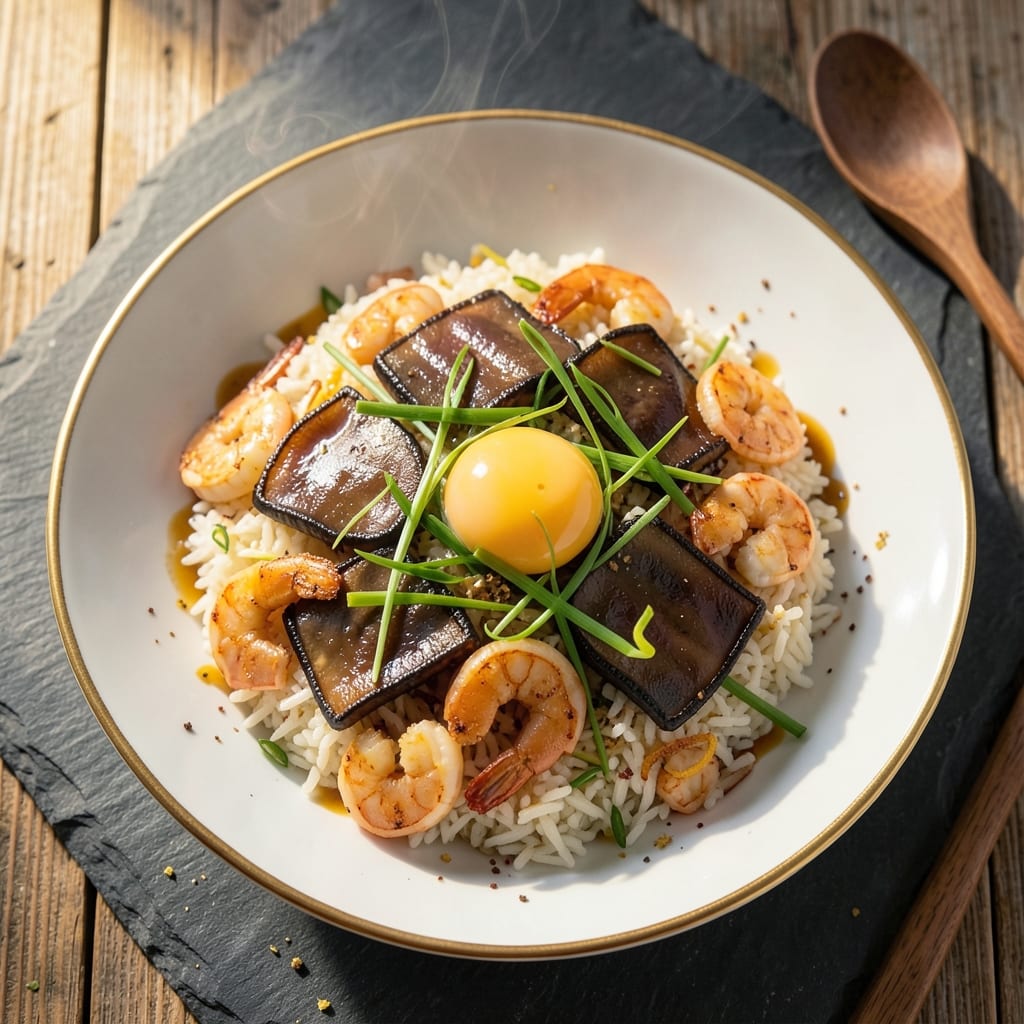
Abalone fried rice transforms ordinary takeout into a restaurant-worthy seafood experience with just one pan. This luxurious dish starts with tender abalone—either seared or steamed—before joining aromatic fried rice for a symphony of textures and flavors. The secret lies in perfectly cooked abalone that stays tender while absorbing the savory wok hei of the fried rice.
What sets this recipe apart is the balance: delicate abalone pairs beautifully with classic fried rice components like day-old jasmine rice, shrimp, scallions, and a touch of soy sauce for depth. We'll prepare the abalone first—either pan-seared for crispy edges or gently steamed to maintain its melt-in-your-mouth texture—before combining everything in the same pan for maximum flavor infusion.
The result is a dish that's both elegant and approachable, with tender abalone pieces nestled among fluffy rice, crisp vegetables, and a light soy-ginger glaze. The presentation is just as important as the taste—we'll show you how to plate it for that restaurant-quality look that makes every bite feel special.
Perfect for seafood lovers or anyone craving an upgrade from basic fried rice, this recipe delivers restaurant-quality results without requiring advanced techniques. Let's create a dish that feels like a celebration on your dinner table.
Ingredients for abalone fried rice
Eight ounces of delicate abalone meets classic fried rice staples for a restaurant-worthy seafood upgrade.
| Ingredient | Amount | Notes |
|---|---|---|
| Fresh Abalone 🦪 | 8 oz | Sliced into bite-sized pieces |
| Day-Old Jasmine Rice 🍚 | 3 cups | Cold and slightly dry |
| Large Shrimp 🦐 | ½ lb | Peeled, deveined, tails on |
| Scallions 🧅 | ¼ cup | Thinly sliced, white and green parts |
| Eggs 🥚 | 2 whole | Freshly beaten for stir-fry |
| Green Onions 🧅 | 4 whole | For garnish, chopped |
| Sesame Oil 🫒 | 1 tbsp | For aroma, not cooking |
| Light Soy Sauce 🥄 | ¼ cup | Kikkoman preferred |
| Oyster Sauce 🍜 | 2 tbsp | High-quality for depth |
| Ginger 🧄 | 1 tbsp | Fresh, finely minced |
| Garlic 🧄 | 3 cloves | Minced for aromatic base |
| Vegetable Oil 🫒 | ½ cup | High smoke point |
| Salt 🧂 | ½ tsp | To taste, Diamond Crystal |
| White Pepper 🌶️ | ¼ tsp | Freshly ground |
Abalone is the star here, so freshness is non-negotiable. Look for abalone with a firm texture and vibrant color—Asian markets or high-end seafood counters are your best bets. If you can't find it fresh, frozen abalone works too, just thaw it overnight in the fridge. The shrimp should be bright pink, and the jasmine rice needs to be day-old for that perfect texture. I always double-check the abalone's origin—California or Japan are the most reliable sources for quality. For the soy sauce, Kikkoman is my go-to, but any light soy will do.
No abalone? Scallops or lobster meat work as substitutes, though the texture will differ. Short on shrimp? Extra scallions or mushrooms add volume without sacrificing flavor. The eggs are optional but add richness—use pasteurized eggs if you're concerned. For the ginger and garlic, fresh is best, but if you're in a pinch, jarred minced works. The sesame oil should be toasted—look for 100% pure at Trader Joe's or Whole Foods. If you can't find it, a tiny amount of regular sesame oil plus a pinch of toasted sesame seeds mimics the flavor.
Store any leftover abalone in the fridge for up to 2 days, but this dish reheats beautifully—best the next day when flavors meld. The fried rice keeps for 3 days in an airtight container, though the texture softens slightly. For extra insurance, freeze portions for up to 3 months. I always make a double batch—leftovers make perfect lunch the next day. The abalone pieces stay tender when reheated gently over low heat with a splash of water.
Why You'll Love This Recipe
- One-Pan Magic: I swear by this trick—just toss everything into one hot wok, and the abalone’s natural sweetness caramelizes right into the rice. No fancy equipment, no mess, and honestly? It’s the kind of dish where you can still chat with your partner while cooking.
- Luxury in Every Bite: Between the tender abalone (still slightly chewy, not rubbery), the shrimp’s briny snap, and that eggy richness—this isn’t your average fried rice. Here’s what sold me: the scallions add a fresh cut that makes it taste like a restaurant dish, not just a home meal.
- Weeknight to Dinner Party: Same recipe, totally different vibes. Serve it with a cold beer for a laid-back Tuesday, or dress it up with a drizzle of chili oil for when your in-laws stop by. (Yes, even on a Tuesday night.)
- Leftovers That Don’t Suck: Most fried rice turns into a sad, dry pile by day two. Not this one—the abalone keeps it moist, and the shrimp reheats like it’s fresh. I’ll be real: I’ve microwaved this for lunch three days in a row, and no one’s complained. (Not even my picky teenager.)
Step-by-step instructions for abalone fried rice
Transform simple ingredients into a restaurant-worthy seafood dish with this one-pan technique.
Prepare the Abalone and Shrimp
Pat the 8 oz fresh abalone dry with paper towels to remove any moisture—this ensures a proper sear. Using kitchen shears, cut the abalone into bite-sized pieces (about ½-inch thick). In a small bowl, toss the abalone with 0.5 tsp salt and 0.25 tsp white pepper, then set aside.
Peel and devein the 0.5 lb large shrimp, leaving the tails intact for presentation. In another small bowl, combine the shrimp with 1 tbsp light soy sauce and 1 tbsp oyster sauce, mixing gently to coat evenly. Let both the abalone and shrimp marinate for 10 minutes while you prepare the remaining ingredients.
Sauté the Aromatics and Cook the Eggs
Heat 0.5 cup vegetable oil in a 14-inch wok or large skillet over medium-high heat until shimmering. Add the 3 cloves minced garlic and 1 tbsp minced ginger, stirring constantly for 30 seconds until fragrant but not browned—this prevents bitterness.
Push the aromatics to one side of the pan and pour in the 2 whole beaten eggs. Scramble gently with a spatula until just set but still slightly runny (about 20 seconds). Remove the eggs and set aside on a plate, then add 0.25 cup thinly sliced scallions to the pan, stirring for 1 minute until softened.
Stir-Fry the Seafood
Increase heat to high and add the marinated shrimp. Stir-fry for 1-2 minutes until they turn pink and opaque, then add the abalone pieces. Cook for another 2-3 minutes, stirring occasionally, until the abalone turns opaque and slightly caramelized—this indicates it's fully cooked through.
Real talk: abalone cooks quickly, so don't walk away. You want it tender but still holding its shape. If it starts to curl, gently press it down with a spatula to ensure even cooking.
Combine and Season the Fried Rice
Add the 3 cups day-old jasmine rice, breaking up any clumps with your hands or spatula. Stir-fry for 2-3 minutes, letting the rice absorb the flavors from the seafood and aromatics. Pour in the 1 tbsp sesame oil and toss everything together.
Lower the heat to medium and add the scrambled eggs back to the pan. Drizzle in the remaining 0.25 cup light soy sauce and 1 tbsp oyster sauce, mixing well. Cook for another 2 minutes until the rice is heated through and the sauce coats everything evenly.
Finish and Serve with Garnish
Taste and adjust seasoning with additional salt or white pepper if needed. The dish should be savory, slightly sweet, and umami-rich with a hint of heat from the white pepper. Transfer the fried rice to a serving platter and garnish with 4 whole chopped green onions for freshness and color.
Serve immediately while hot, with extra green onions on the side for topping. This dish is all about the contrast—tender abalone and shrimp against the chewy texture of day-old rice, balanced by the bright, aromatic garnish. Enjoy straight from the pan for that classic wok-hei flavor!
Pro Tips For Making Abalone Fried Rice
- Sear Abalone First: Toss the abalone in a screaming-hot wok with a splash of Shaoxing wine before adding anything else—this locks in flavor and prevents it from turning rubbery later. I used to add it raw with the rice and ended up with chewy, flavorless chunks every time.
- Prep Shrimp Like a Pro: Pat the shrimp dry thoroughly with paper towels, then score the thickest part of each tail with a knife—this guarantees they cook evenly and stay juicy. Wet shrimp will steam instead of sear, and you’ll end up with sad, gray edges.
- Break Eggs into Cold Rice: Crack the eggs directly into the cold, dry rice before stirring—this creates tiny pockets of scrambled egg throughout instead of a clump in the middle. I learned this after watching my first batch of fried rice look like someone had glued an omelet to the side.
- Use Scallions Strategically: Reserve the green parts of the scallions until the very end, then toss them in whole for a fresh bite—this keeps the dish vibrant without overpowering the abalone’s rich flavor. Chopping them too small makes the rice taste like a sad, watery onion soup.
Flavor customization for these flavors
Spicy Heat Boost
Add 1 tsp chili crisp or ½ tsp gochujang paste when combining the rice for a fiery kick. For extra heat, toss in ½ tsp crushed red pepper flakes with the aromatics. I love balancing this with 1 tsp honey to mellow the burn while keeping the dish vibrant. 🌶️
Umami Depth
Swap 1 tbsp oyster sauce for 1 tbsp fish sauce> (like Red Boat) and add 1 tsp dried shiitake mushrooms> (finely chopped) to the aromatics for a deeper umami punch. This works especially well with the abalone's natural sweetness. For extra richness, stir in 1 tsp miso paste> at the end of cooking.
Citrus Zing
Finish with 1 tbsp fresh lime juice> and 1 tbsp chopped cilantro> for brightness. The acidity cuts through the richness of the abalone and shrimp beautifully. I also add ½ tsp lime zest> to the marinade for a subtle citrus note that elevates the dish. This pairing feels especially fresh and summery.
Sweet Glaze
Create a quick glaze by mixing 1 tbsp honey> with 1 tsp rice vinegar> and ½ tsp sesame oil>. Drizzle this over the fried rice just before serving to add a glossy, slightly sweet finish. The abalone's natural sweetness pairs perfectly with this glaze, creating a balanced flavor profile.
Herbaceous Freshness
Add 2 tbsp chopped Thai basil> or Italian parsley> to the garnish for an aromatic herbaceous note. Thai basil adds a licorice-like depth, while parsley provides a cleaner, fresher finish. I like to mix both for a layered flavor experience. The herbs also add vibrant color to the dish.
Smoky Char
For a smoky twist, add ½ tsp smoked paprika> to the aromatics or finish with a sprinkle of toasted sesame seeds>. If you have access to a grill or grill pan, lightly char the abalone pieces before adding them to the fried rice for an extra layer of smokiness. This works especially well with the shrimp for a BBQ-inspired fusion flavor.
Nutrition facts
Frequently asked questions
Can I use frozen abalone instead of fresh?
Yes, but thaw it properly first! Place frozen abalone in the refrigerator overnight (about 12 hours) for even thawing. Never microwave—it causes uneven cooking. Pat the pieces dry before using to ensure a good sear. The texture will be just as tender when cooked correctly.
What's the best rice for abalone fried rice?
Jasmine rice is ideal—its slightly sticky texture holds up well to stir-frying while remaining tender. Use day-old rice (cooked and refrigerated overnight) for perfect texture. For extra fluffiness, spread freshly cooked rice on a tray and refrigerate for 2 hours before using. Never use freshly cooked rice—it turns mushy.
How do I know when abalone is fully cooked?
Abalone is done when it turns completely opaque and slightly caramelized (about 2-3 minutes of cooking). The edges should curl slightly but remain tender. Overcooking makes it rubbery—remove from heat immediately when opaque. For extra safety, cut into a piece to check the center is fully cooked.
Can I make this vegetarian?
Yes! Replace the abalone with 1 cup rehydrated shiitake mushrooms (sliced) and swap shrimp for ½ cup firm tofu (pressed and cubed). Keep all other ingredients the same. The umami from mushrooms and tofu will complement the fried rice beautifully. For extra protein, add ½ cup edamame.
Why does my abalone turn rubbery?
Rubbery abalone usually means overcooking or improper prep. Always pat pieces very dry before cooking, and sear over high heat for 2-3 minutes max. Avoid stirring constantly—let it develop a light crust. If using frozen abalone, ensure it's fully thawed and drained. For extra tenderness, steam abalone for 3 minutes before stir-frying.