
Main Courses
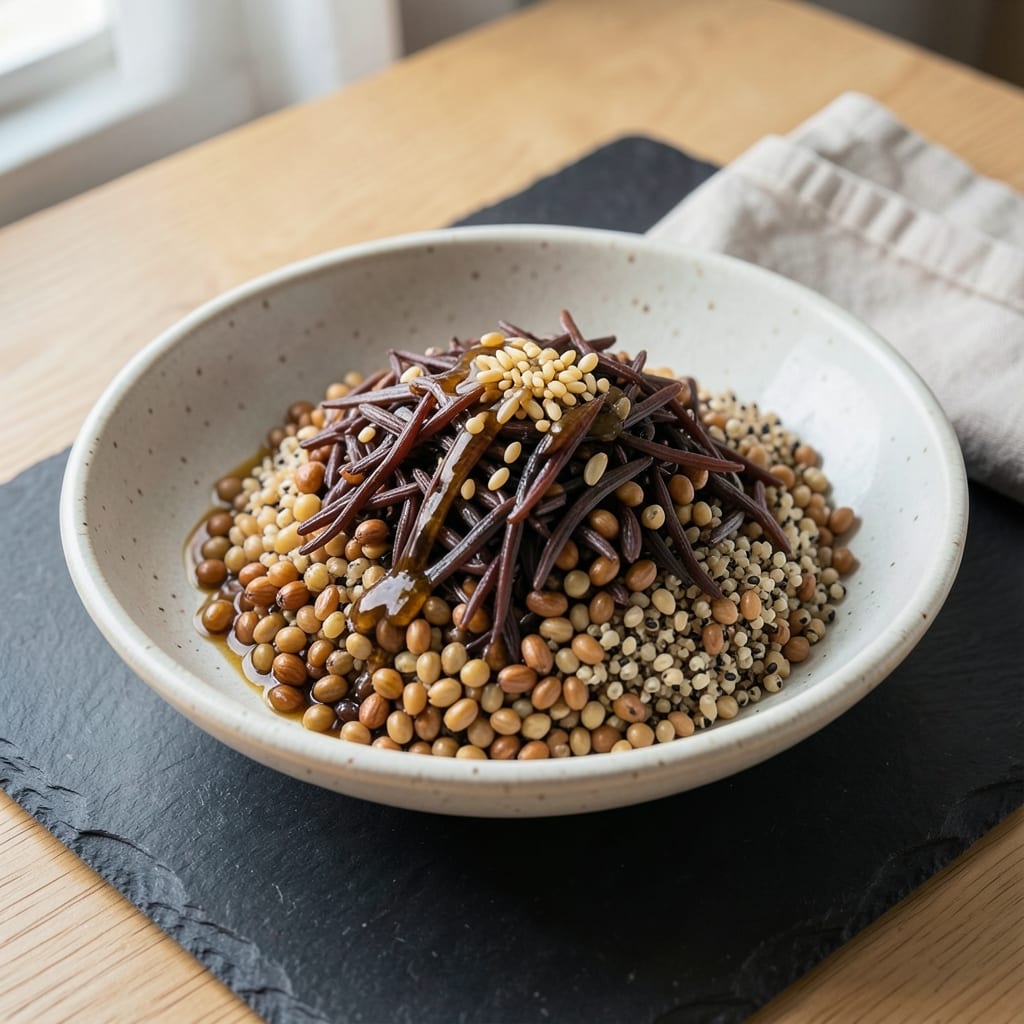
This 5 grain rice recipe transforms simple grains into a nutty, earthy medley that rivals gourmet pilafs. The secret lies in toasting the grains first—this unlocks deep, toasty flavors and creates that coveted crunch. I developed this recipe after years of experimenting with different grain blends, and it never fails to impress at dinner tables or potlucks.
The beauty of this recipe is its versatility—use it as a standalone dish with herbs and toasted nuts, or as a base for stir-fries and salads. Each grain brings its own texture and flavor: barley adds chewiness, buckwheat brings earthiness, and wild rice contributes a subtle sweetness. The toasting step is critical—it removes any bitterness and enhances the natural nuttiness of the grains.
By the time you're done, you'll have a fragrant, hearty bowl of rice with layers of texture and flavor. The grains stay separate but cohesive, making it perfect for pairing with proteins like grilled chicken or roasted vegetables. This recipe also reheats beautifully, so it's ideal for meal prep.
Whether you're serving it as a side dish or making it the star of the meal, this 5-grain rice will elevate any dinner. The toasting technique ensures every bite is packed with flavor, while the balanced blend of grains delivers a satisfying texture. Let's get started!
Ingredients for 5 grain rice
Five distinct grains, one fragrant toasting process—this blend delivers restaurant-quality texture and flavor.
| Ingredient | Amount | Notes |
|---|---|---|
| Barley, Pearl 🌾 | 1 cup | Rinsed thoroughly before cooking |
| Buckwheat Groats 🌾 | ½ cup | Not buckwheat flour |
| Wild Rice Blend 🌾 | ½ cup | Uncooked, natural blend |
| Brown Rice, Long-Grain 🌾 | ½ cup | Not instant or pre-cooked |
| Quinoa, Uncooked 🌾 | ½ cup | Rinsed well to remove bitterness |
| Vegetable Broth, Low-Sodium 💧 | 4 cups | Homemade or quality store-bought |
| Olive Oil, Extra-Virgin 🫒 | 2 tbsp | For toasting grains |
| Garlic Cloves, Minced 🧄 | 3 cloves | Freshly minced for aroma |
| Onion, Yellow, Diced 🧅 | ½ cup | Small dice for even cooking |
| Salt, Kosher 🧂 | 1 ½ tsp | Adjust to taste |
| Black Pepper, Freshly Ground 🌶️ | ½ tsp | For finishing touch |
| Fresh Parsley, Chopped 🌿 | ¼ cup | For garnish and freshness |
| Toasted Almonds, Sliced 🥜 | ¼ cup | For crunchy texture |
| Cumin Seeds, Toasted 🌿 | 1 tsp | For nutty aroma |
| Cinnamon Stick 🌿 | 1 whole | For subtle warmth |
The grains are the heart of this dish, and toasting them first is non-negotiable. Bob's Red Mill or Quaker are reliable brands for bulk grains, but any natural food store carries quality options. Look for grains with vibrant color and no signs of pests—especially important for wild rice, which can vary wildly in quality. The buckwheat groats should be uniform in size, and the barley should feel plump, not shriveled. For the wild rice blend, Lundberg is my go-to—it's consistently high quality. Toast each grain separately in olive oil over medium heat until fragrant, about 3-5 minutes. This step removes bitterness and builds that coveted crunch.
No quinoa? Substitute with more brown rice or barley—the texture will be slightly different but still delicious. Running low on vegetable broth? Chicken broth works too, but keep it low-sodium. For the toasted almonds, any nut will do—cashews or pecans add richness, while walnuts bring a different crunch. The cinnamon stick is optional but adds subtle warmth that complements the earthy grains. If you're short on time, you can skip the individual toasting and toast all grains together in the pot with the broth, though the flavors won't be as developed. For the parsley, fresh is best, but dried oregano at half the amount works in a pinch.
This grain medley reheats beautifully—just add a splash of water or broth to revive the texture. Store in an airtight container in the fridge for up to 5 days, or freeze portions for 3 months. I like to portion it into individual containers for easy meal prep—pair with grilled chicken or roasted vegetables for a complete meal. The grains will keep their texture better if you don't overcook them, so aim for al dente. For extra flavor, toast the cumin seeds in a dry pan until fragrant before adding them to the pot—this amplifies their nutty aroma significantly.
Why You'll Love This Recipe
- One-Pot Magic: I swear by this—just toss all five grains (barley, wild rice, quinoa, and those others) into one pot with broth, stir once, and walk away. No measuring cups, no separate timers, no stress.
- Earthy Crunch Factor: That toasted buckwheat and chewy wild rice? It’s the kind of texture you need in life—firm enough to hold up to stir-fries or salads, but still tender enough to eat with your hands. (Yes, I’ve done it.)
- Meal Prep MVP: Between us, this is my go-to for lunches all week. Cook a big batch Sunday, and you’ve got breakfast bowls, side dishes for dinners, or even a cold salad base. The quinoa stays fresh, the barley plumps up perfectly—it’s my secret weapon.
- Budget Booster: Honestly, this is cheaper than buying pre-mixed grain blends at the store. A bag of barley and wild rice lasts forever, and you’re getting five textures for the price of one. Plus, leftovers reheat like a dream—no mushy rice here.
Step-by-step instructions for 5 grain rice medley
Here's how to transform five distinct grains into a harmonious, nutty medley with perfect texture and depth.
Toast the Grains for Enhanced Flavor
In a large, heavy-bottomed pot, heat the 2 tablespoons olive oil over medium heat. Add the 1 cup pearl barley, 0.5 cup buckwheat groats, 0.5 cup wild rice blend, 0.5 cup brown rice, and 0.5 cup quinoa. Stir constantly for 3-4 minutes until the grains are lightly golden and fragrant.
Watch for the moment when the grains begin to pop and release their natural oils—this is your signal that toasting is complete. The aroma should be nutty and toasty, not burnt. Remove the pot from heat and set aside. This toasting step develops complex flavors that simple boiling can't achieve.
Sauté Aromatics for Layered Depth
In the same pot, add the 0.5 cup diced onion and 3 cloves minced garlic to the toasted grains. Cook over medium heat for 3-4 minutes until the onions are soft and translucent, but not browned. The garlic should be fragrant but not crispy.
Here's where the medley starts building its character. The onions should caramelize just slightly at the edges while remaining tender throughout. Add the 1 whole cinnamon stick and 1 teaspoon toasted cumin seeds now—they'll infuse the broth with subtle warmth as they cook.
Simmer in Broth Until Perfectly Tender
Pour in the 4 cups vegetable broth and bring to a boil. Immediately reduce heat to low and add the 1.5 teaspoons kosher salt. Cover with a tight-fitting lid and simmer for 35-40 minutes, stirring occasionally to prevent sticking.
The grains will have different cooking times, so check for doneness at the 35-minute mark. The quinoa and buckwheat will be tender first, while the barley and wild rice need the full time. You'll know it's done when the grains are tender but still have a slight bite—this ensures they hold their shape when served.
Finish with Crunch and Freshness
Once the grains are tender, remove the cinnamon stick and stir in the 0.25 cup toasted almonds and 0.25 cup chopped parsley. Add the 0.5 teaspoon freshly ground black pepper and toss gently to distribute evenly. Let the mixture sit off heat for 5 minutes to allow flavors to meld.
This resting period is crucial—it lets the grains absorb any remaining liquid and develop their final texture. The toasted almonds should add a satisfying crunch, while the parsley brightens the earthy flavors. If the mixture seems too dry, add 1-2 tablespoons water to loosen it slightly.
Pro Tips For Making 5 Grain Rice
- Rinse Buckwheat Only: Buckwheat groats are tiny but mighty—skip rinsing the others, but give these a quick cold-water swish to cut the bitterness. I learned this the hard way after making a batch taste like overcooked beets. Two minutes with a fine-mesh strainer makes all the difference. ---
- Start with Boiling Water: Dump all grains into a pot of already boiling water—no waiting for temperature adjustments. The wild rice blend and barley need that initial shock to soften properly, and it cuts cooking time by 5 minutes. (Yes, even if you’re impatient like me.) ---
- Check Quinoa Early: Quinoa cooks faster than the rest—test it at 20 minutes, not 30. Pop a few grains on a plate: if they’re translucent with a tiny bite, they’re done. Overcooked quinoa turns mushy and ruins the texture of the whole mix. ---
- Toast the Barley First: Dry-toast barley in a separate pan for 3 minutes before combining—it deepens the nutty flavor and prevents it from turning gummy. Sounds weird, but it works: the rest of the grains stay separate and fluffy. (Your future self will notice.)
Common mistakes when making your 5 grain rice
Skipping the Toast
I can't stress this enough—skipping the toasting step is the #1 mistake I see. Toasting the grains in olive oil for 3-4 minutes until fragrant unlocks their natural nuttiness and removes any bitterness. Without it, your grains will taste bland and mushy. The aroma alone should convince you—it's the difference between restaurant-quality and homemade. 🌾
Uneven Cooking
Using a heavy-bottomed pot is non-negotiable—light pots cause uneven heating, leading to some grains being undercooked while others turn to mush. I recommend a 5-6 quart Dutch oven for even distribution. Also, stir occasionally during simmering to prevent sticking, especially with the buckwheat and wild rice which can clump.
Overcooking the Grains
Pushing the cooking time past 40 minutes turns your perfect medley into a gluey mess. Each grain has its own timeline—quinoa and buckwheat cook faster, while barley and wild rice need the full time. Test at 35 minutes by tasting: the grains should be tender but still hold their shape. Overcooking destroys that satisfying bite and turns your dish into porridge. ⏰
Ignoring the Resting Time
Letting the grains rest for 5 minutes off heat after cooking might seem trivial, but it's where flavor magic happens. This lets the grains absorb any remaining liquid and develop their final texture. Skipping it results in a soupy, uneven dish. I've seen cooks rush this step and end up with grains that either stick together or are too dry. Patience here makes all the difference.
Using High-Sodium Broth
Store-bought broths can be way too salty, especially if you're sensitive to sodium. The recipe calls for low-sodium vegetable broth, but even then, I recommend tasting before adding the full 1.5 teaspoons kosher salt. Adjust carefully—you can always add more salt, but you can't remove it. If using regular broth, cut the salt to 1 teaspoon and taste frequently during cooking. 🧂
Forgetting the Cinnamon Stick
While optional, the cinnamon stick adds subtle warmth that complements the earthy grains beautifully. Leaving it in too long (over 30 minutes) can make the broth taste bitter, so remove it promptly. If you're short on time, you can substitute with ½ teaspoon ground cinnamon, but the stick infuses more delicate flavor. This tiny detail elevates the dish from good to exceptional. 🌿
Nutrition facts
Frequently asked questions
Can I make this 5-grain blend without toasting the grains?
The toasting step is absolutely essential for developing those rich, nutty flavors. Skipping it will leave your grains tasting bland and mushy. If you're short on time, you can lightly toast them in the pot with the broth, but the flavor won't be as deep. The aroma alone will tell you when it's done—it should smell toasty and inviting, not burnt.
What's the best way to store leftover 5-grain rice?
Store in an airtight container in the fridge for up to 5 days, or freeze portions for 3 months. To reheat, add a splash of water or broth and warm gently on the stove. The grains will hold their texture better if you don't overcook them initially—aim for al dente when serving fresh.
How can I adjust this recipe for a larger crowd?
Double all ingredients and use a 6-8 quart pot for even cooking. The key is maintaining the same ratio of grains to broth—1 cup grains per 1 cup broth. Toast the grains in batches if needed, and keep an eye on cooking time, as larger pots may require slightly longer simmering.
What if I can't find one of the grains?
No problem! Substitute with equal parts of other grains like farro or sorghum for texture variety. The buckwheat can be swapped with more brown rice if needed. Just ensure you maintain the same total volume of 2.5 cups total grains to keep the cooking time balanced.
Can I use this as a base for stir-fries or salads?
The cooled grains work perfectly as a base for stir-fries or salads. Just toss with your favorite veggies, protein, and dressing. The toasted almonds add great crunch, and the grains stay firm enough to hold up. For stir-fries, cook the grains slightly underdone (30 minutes) so they finish cooking in the wok.